
Buying a home is not only about the rooms inside. Many buyers also look at the outdoor space. A landscaped garden can make a house feel more attractive, comfortable, and complete. But the real question is: Does landscaping increase property value?
The short answer is yes. A well-designed garden can improve the look of your home, make it more enjoyable to live in, and increase its market value. In fact, landscaping is one of the few home improvements that can add value immediately and continue to increase value over time.
In this article, we’ll explain how landscaping adds value, what buyers look for, and what types of garden improvements give the best return on investment.
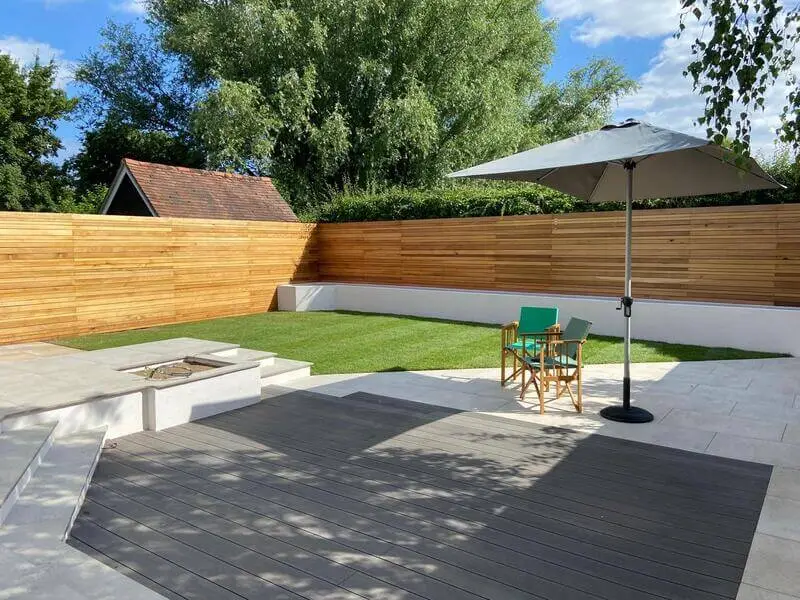
What Is a Landscaped Garden?
A landscaped garden is an outdoor space that has been carefully planned and designed. It may include:
- Plants, trees, shrubs, and flowers
- Lawns and grass areas
- Stone paths and patios
- Water features like fountains or small ponds
- Outdoor seating areas
- Garden lighting
- Decks, pergolas, or fences
A landscaped garden looks beautiful, feels organized, and makes the outdoor space more usable and enjoyable.
Does Landscaping Really Add Value to a Home?
Yes, it does.
A well-considered garden can improve a property’s presentation and usefulness, but any effect on sale value depends on the property and local market. A fixed percentage increase cannot be assumed.
Why so much? Because buyers see a landscape garden as:
- A beautiful first impression
- An outdoor living space
- Proof that the home has been well cared for
A house with a neat garden often sells faster and for a better price.
Why Buyers Love a Landscaped Garden
When someone looks at a house for sale, the garden is often the first thing they see. A clean, green, and planned garden creates an emotional connection.
Here’s what buyers notice:
1. Curb Appeal
A well-kept front garden makes the home look attractive from the street. It immediately feels welcoming and cared for.
2. Outdoor Living Space
People love sitting outside in nice weather. A patio, lawn, or seating area makes the garden feel like an extra “room.”
3. Low Maintenance
A professionally planned garden needs less work. Buyers love this because they can enjoy the outdoors without spending hours maintaining it.
4. Privacy
Trees and hedges can create natural privacy walls, making the home feel more peaceful and secure.
5. More Usable Space
Terraces, paths, lawns, and decks give the garden structure—people can walk, sit, eat, play, or relax comfortably.
These benefits make buyers willing to pay more for a house with a landscaped garden.
Types of Landscaping That Add the Most Value
Not all garden improvements give the same return. Here are the top projects that increase property value most effectively.

1. Professional Garden Design
A good layout makes the garden both beautiful and functional. A professional landscape plan usually results in a higher home value because every area has a purpose:
- Entertainment area
- Pathways
- Lawn spaces
- Planting beds
- Relaxation spots
- Lighting and access
Even a small garden looks impressive when designed well.
2. Patio or Outdoor Seating Area
An outdoor seating space, such as:
- A stone or brick patio
- Decking
- Pergola space
- Outdoor dining zone
Is one of the highest-return landscaping upgrades. Most home buyers today want outdoor spaces for:
- Hosting guests
- Family meals
- Relaxation in good weather
This instantly makes the house feel larger and more livable.
3. A Well-Maintained Lawn
A green, healthy lawn is simple but powerful. It makes the whole property look neat and fresh. A poor lawn, on the other hand, makes the home look neglected.
4. Garden Lighting
Lighting adds value in several ways:
- Makes the garden usable at night
- Improves safety
- Highlights trees, plants, and pathways
- Increases curb appeal
Simple solar lights can achieve this without high costs.
5. Trees and Quality Plants
Trees add long-term value because they:
- Provide shade
- Improve privacy
- Reduce noise
- Increase air quality
- Make the space feel mature and established
Homes with mature trees often sell for more.
6. Water Features
A small fountain, pond, or waterfall adds beauty and peaceful sound to the garden. Buyers see water features as luxurious additions—but they should be low-maintenance.
7. Retaining Walls and Terraces
If the garden is sloped, adding:
- Terraces
- Steps
- Retaining walls
Creates usable flat spaces. This makes uneven land much more valuable and attractive.
Landscaping vs. Indoor Renovations
Most indoor renovations lose value over time as styles change. Landscaping is different—plants grow and the garden matures, often becoming more valuable every year.
A 3-year-old garden usually looks better than the day it was installed.
Things That Reduce Garden Value
Some outdoor features can hurt value instead of helping. Common mistakes include:
- Overly high-maintenance plants
- Messy or overgrown landscapes
- Expensive water features with high upkeep
- Artificial plants that look unnatural
- Unsafe ponds for children
- Poor drainage causing mud and erosion
The goal is a landscape that is beautiful, but also practical and easy to maintain.
Tips for Maximizing Garden Value
Here are simple ways to get the best return:
1. Keep the Front Garden Clean
First impressions matter. Neat hedges, a tidy lawn, and simple flowers can improve value instantly.
2. Add Night Lighting
Even basic lighting adds visual drama, improves safety, and increases evening usability.
3. Use Native Plants
Native plants:
- Need less water
- Are naturally disease-resistant
- Survive well in the climate
This helps the garden stay beautiful year-round.
4. Include Seating Areas
Buyers love gardens that feel like outdoor living rooms.
5. Don’t Overcrowd Plants
Too many plants can make the garden look chaotic and hard to manage. Balance is key.
Do DIY Gardens Add Value?
Yes as long as:
- The garden looks professional
- The work is well-finished
- It is safe and functional
DIY landscaping saves money, but if mistakes are visible (crooked walls, uneven patios, messy beds), it can lower value instead of increasing it.
Do Buyers Care About Gardens?
More than ever. Many home buyers today value:
- Outdoor relaxation
- Home entertainment space
- Nature and greenery
- Well-being and mental calm
A landscaped garden checks all these boxes. For families with children or pets, it becomes even more desirable.
FAQs
1. Does landscaping really increase home value?
A well-designed garden may improve buyer appeal, but there is no guaranteed increase in property value.
2. What landscaping features add the most value?
Consider patios, seating, planting, lighting and the entrance as parts of one garden. Prioritise what suits the property and the way you will use the space.
3. Why does landscaping increase resale value?
A landscaped garden improves curb appeal, expands usable living space, and makes the home feel well cared for, which attracts more buyers.
4. Is landscaping worth the cost?
Planting changes as it matures, and the garden needs ongoing care. Its long-term usefulness depends on the design and maintenance; financial returns are not guaranteed.
5. Do buyers care about gardens?
Most buyers today look for outdoor living spaces where they can relax, entertain, and enjoy nature, making landscaped gardens highly desirable.
Conclusion
So, does a landscaped garden add value? Absolutely.
A well-designed outdoor space:
- Improves the look of the home
- Increases usable living space
- Creates emotional appeal for buyers
- Makes the property more functional
- Can improve the presentation and usefulness of outdoor space
- Often gives better returns than indoor renovations
Whether you invest in simple lawn improvements or a full professional design, choose landscaping for the way it improves your use and enjoyment of the garden, with a budget you are comfortable committing to.
If you want your home to stand out, a landscaped garden is one of the most effective improvements you can make.