
Introduction
Planning a garden is one of the most exciting parts of creating your outdoor space. You imagine morning coffee on a patio, colorful flower beds, maybe a lush green lawn or a quiet corner to relax. But without a clear plan, that dream can quickly turn into confusion.
The truth is, great gardens don’t happen by accident. They are carefully planned with the right layout, plants, materials, and purpose.
If you’re wondering how to plan your garden design properly, this step-by-step guide will walk you through everything in a simple, practical way.
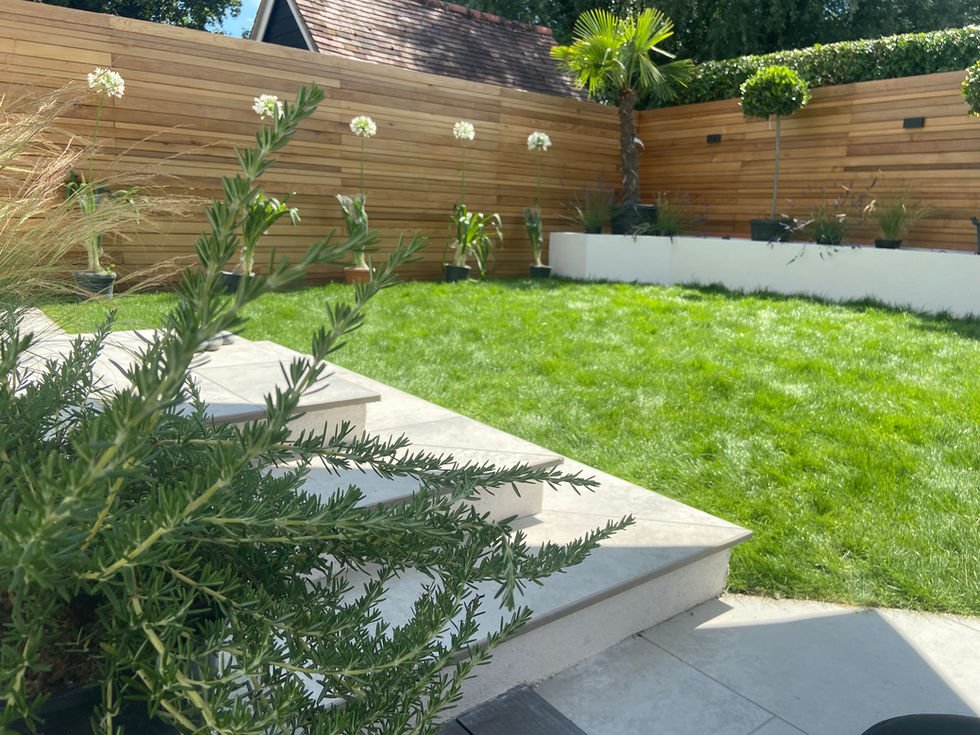
Step 1: Start With How You Want to Use the Space
Before thinking about plants or paving, ask yourself:
- Do I want a relaxing retreat?
- A family-friendly lawn?
- A space for entertaining guests?
- A low-maintenance garden?
- A vegetable or herb area?
Your garden design should reflect your lifestyle. A family garden looks very different from a modern minimalist courtyard.
When you design around function first, everything else becomes easier.
Step 2: Measure and Understand Your Garden
Grab a notebook and measure your space. Note:
- Length and width
- Slopes or uneven areas
- Existing trees or structures
- Drainage spots
- Sunlight patterns
Spend a full day observing how sunlight moves across the garden. Some areas may get full sun, while others remain shaded.
This step is often skipped but it’s one of the most important parts of planning a garden layout.
Step 3: Create a Simple Garden Layout Plan
You don’t need to be an artist. A basic sketch is enough.
Divide your space into “zones,” such as:
- Seating area
- Lawn space
- Planting beds
- Pathways
- Storage or shed area
Think about flow. How will people move through the garden? Paths should feel natural and practical.
A well-zoned garden feels organized and balanced.
Step 4: Decide on a Garden Style
Choosing a style gives your garden personality and direction.
Popular garden design styles include:
- Modern minimalist garden
- Cottage garden
- Mediterranean garden
- Traditional English garden
- Contemporary outdoor space
- Wildlife-friendly garden
Pick one main theme and stick to it. Mixing too many styles can make the space feel chaotic.
Consistency creates harmony.
Step 5: Plan Your Hard Landscaping First
Hard landscaping includes patios, decking, pathways, walls, and fencing. These are the structural elements of your garden.
Always plan hard landscaping before choosing plants because:
- It defines your layout
- It affects drainage
- It influences plant placement
- It determines your budget
Choose 2–3 main materials to keep the design clean and cohesive.
Step 6: Choose the Right Plants for Your Climate
This is where many people go wrong.
Instead of choosing plants just because they look beautiful, consider:
- Sun or shade conditions
- Soil type
- Local climate
- Water availability
- Maintenance needs
Native plants are often a smart choice because they adapt well and require less care.
Think long-term. Small plants grow bigger than you expect.
Step 7: Focus on Year-Round Interest
A good garden should look attractive in every season not just summer.
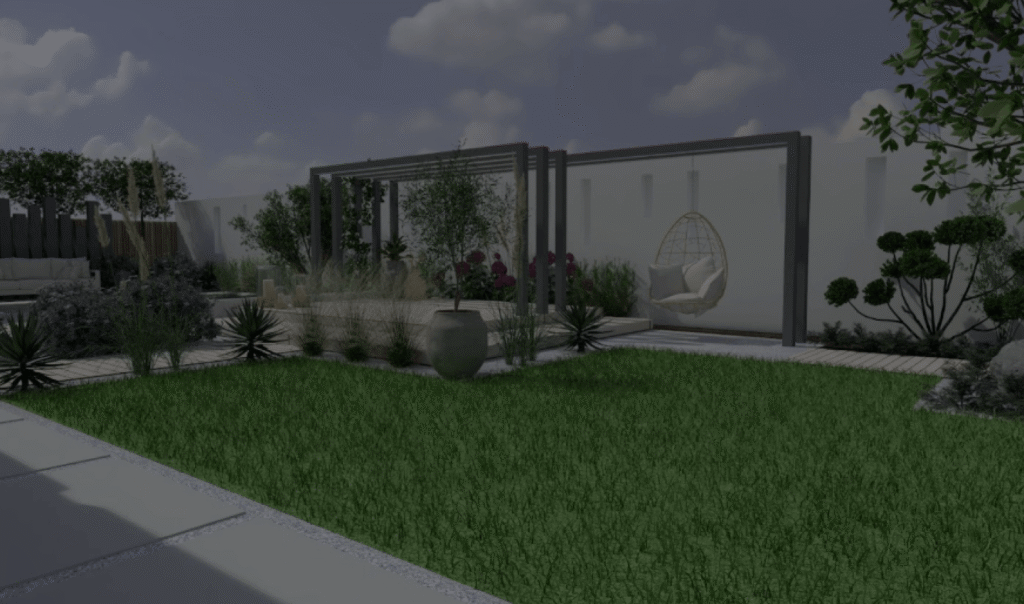
Plan for:
- Spring flowers
- Summer color
- Autumn foliage
- Winter structure (evergreens, grasses, shrubs)
Layering plants of different heights and blooming times keeps your garden visually interesting all year.
Step 8: Don’t Forget About Maintenance
Be honest with yourself.
How much time do you realistically want to spend maintaining your garden?
If you prefer low effort:
- Reduce lawn size
- Choose drought-tolerant plants
- Avoid high-maintenance flower beds
- Install automatic irrigation
Designing for maintenance saves stress later.
Step 9: Add a Focal Point
Every great garden needs something that draws the eye.
This could be:
- A statement tree
- A water feature
- A seating area
- A sculpture
- A fire pit
- A raised planter
A focal point anchors the space and gives it character.
Step 10: Set a Realistic Budget
Garden projects can quickly become expensive if you don’t plan your spending.
Create a budget that includes:
- Materials
- Plants
- Furniture
- Lighting
- Labor (if hiring professionals)
If needed, complete your garden in phases. It’s better to build slowly and properly than rush and regret.
Step 11: Think About Privacy and Comfort
Your garden should feel safe and private.
Consider adding:
- Hedges
- Trees
- Decorative fencing
- Trellises with climbing plants
Also think about:
- Shade structures
- Outdoor lighting
- Wind protection
Comfort transforms a garden into a usable living space.
Common Mistakes to Avoid When Planning a Garden
- Skipping the planning phase
- Overcrowding plants
- Ignoring drainage
- Using too many materials
- Forgetting about maintenance
- Designing only for one season
Avoiding these mistakes ensures your garden remains beautiful and functional.
Quick Garden Planning Checklist
✔ Define how you’ll use the space
✔ Measure and observe sunlight
✔ Create a layout sketch
✔ Choose a consistent style
✔ Plan hard landscaping first
✔ Select climate-appropriate plants
✔ Add a focal point
✔ Budget carefully
✔ Plan for all seasons
✔ Design for easy maintenance
FAQs
How do I start planning my garden design?
Start by deciding how you want to use the space. Measure your garden, observe sunlight, and sketch a simple layout.
What should I plan first in a garden?
Plan the layout and hard landscaping before choosing plants.
How do I design a low-maintenance garden?
Choose native plants, reduce lawn areas, install irrigation systems, and keep the layout simple.
Do I need a professional garden designer?
For large or complex projects, a professional can help avoid costly mistakes. For small gardens, careful DIY planning works well.
How long does it take to plan a garden?
Planning can take a few days to several weeks depending on the size and complexity.
Conclusion
Planning your garden design is about more than planting flowers. It’s about creating a space that fits your lifestyle, budget, and environment.
Take your time. Sketch ideas. Observe your space. Think long-term.
When you plan properly, your garden becomes more than just an outdoor area it becomes an extension of your home.
Planning a complete garden rebuild?
For a garden designed and built by one team, explore our garden design service in Essex and Hertfordshire. Our pricing guide explains indicative budgets and the features that affect construction cost. Tell Scott about your project.