
How To Design Your Own Garden
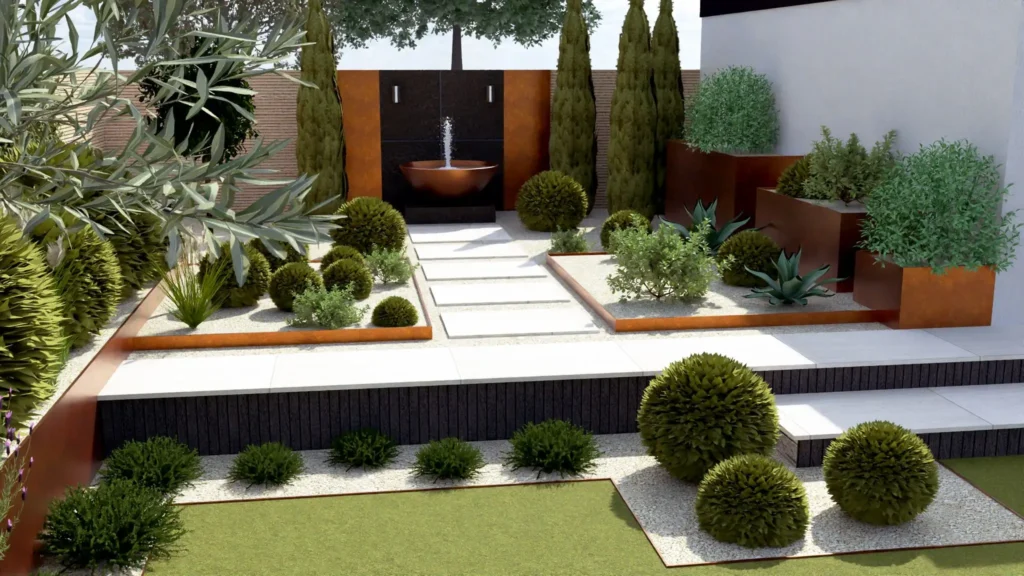
Improving your estate by designing a one-of-a-kind garden is simply fulfilling. Not only does a well-planned garden provide comfort, beauty, and value, a garden also helps give a nice, peaceful refuge, a place to enjoy and grow plants, and a location to hold family functions. You do not need to be a professional to start designing one. With some creativity, careful planning, and a little work, you can. This tutorial will inform you how to go about creating your garden step by step. Learn how to lay down a plan, select plants, and add final touches. What is Garden Design? This refers to the planning arrangements made regarding a garden and how to make this valuable open space functional. This value is derived by ultimately determining the type of plants to be grown as well as the location of pathways, seating, and flowerbeds. A well-thought-out garden will take into account the extent of sunlight, the type of soil, the amount of water and the intended activities to be performed in the space. With thoughtful use of design, a small, covered backyard and even a large lawn can be made into a true reflection of your character and your way of life. Having Your Garden Designed A well thought-out garden has functions and provides for the needs of and enriches life. Here’s how: A 5 Step Guide to Your Garden Step 1: Understanding Your Area Begin by taking the time to watch and observe your garden. You will understand the: Step 2: Determine Your Style A functional garden should have an identifiable focus. Here are some: Knowing your style in the beginning helps in the right selection of materials and plants, and it keeps your results consistent. Step 3: Plan the Layout It is time to move on to the next step in designing your garden, which is its structure. Split the space into the following zones: Wide enough paths for walking, a clear flow between areas, and a gentle balance in the various zones will promote the best activity. Step 4: Choose Plants To animate your outdoor space with vibrant charms, choose the right combination of trees, shrubs, flowers, and ground covers to capture the essence. Scalers will climb on your fence or wall, and dead surfaces will be covered. Consider your climate, soil, and sunlight so your plants thrive. Group plants with similar water and light requirements together. Step 5: Adding Pathways and Borders Pathways make different zones in your garden accessible to one another. For a natural look, use stone, gravel, or wood. New pathways can also be created using bricks. Borders also made of bricks, rocks, or plants can provide a neater and more organized look to your garden and flower beds. Step 6: Adding Seating and Accessories To truly enjoy your garden, you need a designated space within it to relax, so incorporate a bench, swing, or small patio set. For added beauty, place garden lights to illuminate the area and create an enchanting ambience, use pots and planters, add water features like a small pond or fountain, put up bird feeders or birdhouse sculptures, and embellish the space in any other way you see fit. These small details provide a finished look to your garden. Step 7: Maintenance To keep the beauty of a garden, regular upkeep is necessary. Your design should account for adequate access to allow for easy watering and general cleaning. Use mulch to block weeds, and install drip irrigation if you can. If you are a beginner, an easy body of work plants such as marigolds, jasmine, roses or ferns are a perfect start. Small Garden Design Tips If you lack a large garden space, you can create the illusion of a bigger space using clever design. This can be achieved by horizontal and vertical planters, using mirrors to create reflections and light and space, and by using light colored paving stones. Select smaller plants and reduce the number of oversized trees. Choosing one focal point is best, whether that be a sculpture or a flower bed. These suggestions help to create an open and appealing atmosphere, even with limited space. Design Tips for Large Gardens With additional space, the area can be organized into a few different zones. Incorporate trees for shade, curved pathways, and differing heights of plants to create a sense of balance within the space. Common Mistakes to Avoid Avoiding these mistakes guarantees your garden will be healthy and pleasurable to enjoy for many years. Frequently Asked Questions (FAQs) Can I design my own garden, or do I need a landscape designer? You don’t have to hire a professional to design your garden. If you do enough research and devote enough time to planning, you can create your garden all on your own. However, professionals are best for larger or more complicated spaces. What is the best time to design a garden? During the spring season or early autumn, the weather is mild and conducive for the planning stage and easier for the plants to grow. How long does garden design take? Small garden designs can take a few days, whereas large garden designs can take weeks or months. Can garden design increase my home’s value? Absolutely. A garden that is designed and maintained well can increase the resale value of a house by 5-15%. Conclusion There is much more to designing your garden than simply placing plants in it. Your garden’s design should be centred around the goal of creating a space that makes you truly happy. With a peaceful and beautiful home, your garden can become that. Focus on balance, harmony, and function with nature, whether you are making a small balcony garden or a large backyard oasis. Your garden will be a source of joy and a daily reminder of nature, and it will grow and flourish around you.
How to Create a Garden Room

Many homeowners look for additional space without the hassle and expense of a house extension. A great alternative is a garden room. Built in your backyard or outdoor space, a garden room is a separate, self-contained space. A garden room is more than a basic shed; you can use it for daily living purposes. It can also be a home office, gym, art studio, playroom, or guest room. When it comes to creating a garden room, it helps to combine inventive ideas with some practical thinking. This guide covers everything you need to know, from the nuances of garden rooms, advantages, and design ideas with costs, to creating one that works for you. What is a Garden Room? A garden room is any structure built in your outdoor space that provides some of the home’s functionalities. Unlike sheds or storage units, garden rooms are designed for comfort and function. Most include windows and doors, insulation, and electricity, making them usable all year round. They can be simple, like a small office pod, or elaborate, like a multi-purpose guest suite with heating and plumbing. The beauty of garden rooms is that they can be tailored to your exact needs. Why Pick a Garden Room? Garden rooms have gained a lot of popularity. Here are the primary benefits: Step-by-Step Guide: How to Plan a Garden Room Step 1: Define Its Purpose Determine the primary reason for obtaining a garden room. The most common purposes include: Translating the intended purpose of a room into plans and/or blueprints requires a specific size, value, and elements in design. Step 2: Pick the Right Location Pick a part of the garden that offers: Pro tip: For maximum tranquillity, position the garden room to overlook trees, plants, and flowers. Step 3: Decide on Size and Layout Assess your space requirements. Draw a basic zone layout for the room to arrange furniture and provide space for movement and storage. Step 4: Choose Materials Your choice of materials will impact the aesthetics, longevity, and price. Eco-minded homeowners will enjoy using reclaimed wood or sustainable materials. Windows, Doors, and Lighting Natural lighting makes any room more pleasant, even a garden room. Look into: Evenings call for multi-layered lighting. Combine bright ceiling lamps and dim wall lamps, and add some task lighting to help the readers or workers. Insulation and Temperature Control Proper insulation makes the room suitable for use all year round. Walls must be insulated, doors sealed, and windows double-glazed. This keeps your space warm or cool, depending on the season. Some buildings store a climate-regulated regulated: Utilities and Technology A modern garden room can have: Utilities must be planned. This way, your wiring and piping can be hidden in the walls. Interior Design and Decoration The room’s purpose must match its interior. Keep it bare, but warm with even temperature. Keeping plants placed indoors is helpful. Rooms Intended For Gardens Try on these styles: Problems Encountered with Garden Rooms Garden rooms are useful, but here are some issues: Most of the time, these problems are manageable with proper planning and professional guidance. FAQs Do I need planning permission to build a garden room? Depending on your area, small garden rooms might not need permission for building, but always check local building rules. Can I live in a garden room permanently? As of now, a garden room is used for the day. To live in one for the time, permission may be needed. You will also need additional facilities. How long does it take to build a garden room? Smaller builds take 2–3 weeks, while larger rooms may take 1–2 months. Does a garden room add value to my property? Yes, a well-built garden room can raise property value by 5–10%. Can I use a garden room in winter? Yes, with proper insulation and heating, it can be comfortable year-round. Final Thoughts A garden room is one of the most practical ways to expand your living space. Whether you need a private office, a home gym, or a relaxing retreat, it can be designed to suit your lifestyle and budget. The key steps are defining the purpose, selecting the right location, planning size and materials, and ensuring proper insulation and utilities. Once complete, a garden room will not only give you extra space but also increase your property’s value and quality of life. Investing in a garden room means investing in comfort, functionality, and long-term benefits for your home.
How to Design Rooftop Gardens
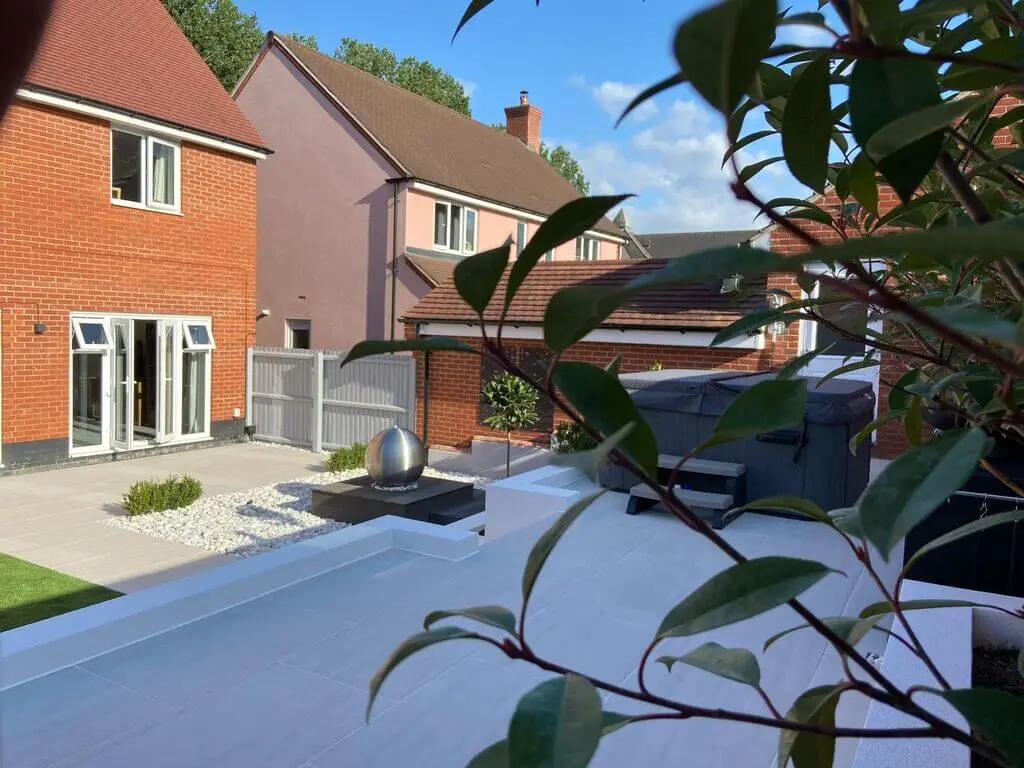
The demand for rooftop gardening is growing, especially in cities where space is limited. A rooftop garden is simply a garden constructed on the roof of a building. It gives one the opportunity to embrace greenery and fresh air, or even grow some vegetables if desired, without having to buy land elsewhere. A rooftop garden must be conceptualized with a methodical approach, along with plenty of creativity and the right choice of materials. In this article, you will be guided through the step-by-step design of rooftop gardens, the considerations involved, and how to make them both beautiful and practical. What is a Rooftop Garden? Artificial green space created on the roof of a building is termed a rooftop garden. It can be as simple as pots filled with flowers or as elaborate as a stitched lawn complete with seating arrangements and water features. Rooftop gardens, apart from having their own visual appeal, do serve some useful purposes like heat reduction, improving air quality, and providing a calm area to unwind. Advantages of a Rooftop Garden Let’s first take a look at why rooftop gardens are worth their while: Step-by-Step Guide to Designing a Rooftop Garden Step 1: Check Roof Strength and Safety Before lifting a finger, determine whether your roof has sufficient strength to take on the extra load. Contact an engineer if need be. Waterproofing and drainage should also be thoroughly done to avoid leakage. Step 2: Layout Planning Decide how you actually want to use the rooftop. Some options may include one of the following: Start drawing a simple plan, marking the zones for plants, seating, and pathways. Step 3: Choose Plants Plants that thrive in rooftop environments that include harsh winds, heat, and direct rays of the sun are perfect for: Step 4: Choose Boxes and Planters You could use pots, raised beds, or vertical planters. It is best to choose lightweight containers on rooftops so as not to add weight. Step 5: Adding Soil and Irrigation Use lightweight soil mixes rather than heavy garden soil. Get a drip irrigation system installed or use self-watering planters to make watering easy. Step 6: Seating and Decoration The rooftop garden should be comfortable. Put in some chairs or benches, maybe even a small table. Use wooden decking, gravel paths, or tiles to make the space attractive. Step 7: Lighting and Shade The outdoor lights will brighten up the rooftop for use at night. Shade structures such as pergolas, umbrellas, or bamboo screens offer protection from the sun and wind. Design Ideas for Rooftop Garden Small Rooftop Garden Use vertical planters and hanging pots of small-scale furniture to fit into limited spaces. Green Roof Style Give natural touches by covering large roof sections with grass or ground-cover plants. Urban Vegetable Garden Grow vegetables in raised beds or big containers. Set up compost bins for making natural fertilizer. Relaxation Zone Seating, shade, and plants—all to relax during reading or with the family. Challenges of Designing a Rooftop Garden While aesthetically pleasing, the rooftop garden poses some challenges: If one plans accordingly and chooses the right materials, these become problems that can be handled. FAQs Do rooftop gardens damage the building? No, not if done properly. Waterproofing, drainage, and professional design make rooftop gardens totally safe. What are the best plants for rooftop gardens? A few hardy plants might include succulents, herbs, and small shrubs. You can also plant vegetables or some seasonal flowering plants. Do rooftop gardens bring down the electric bills? Yes. Green roofs tend to keep buildings cooler during summer months; hence, the need for air conditioning comes down. Are maintenance requirements high for rooftop gardens? Lawn gardens require watering, trimming, replacing seasonal plants, etc., regularly. One could make maintenance less cumbersome by installing drip irrigation. Conclusion Rooftop gardens are a great way to convert the roof of an unused structure into a green, useful space. For a much functional and aesthetic rooftop garden, first, check the strength of the roof, then plan a general layout, select appropriate plants, and finish with seating arrangements and lighting. Rooftop gardens are just the smart and environmentally friendly way to either grow food, chill out, or look at greenery in the city. If all goes well, you are going to be rewarded with a lifetime of happiness and comfort.
What is Landscape Gardening?
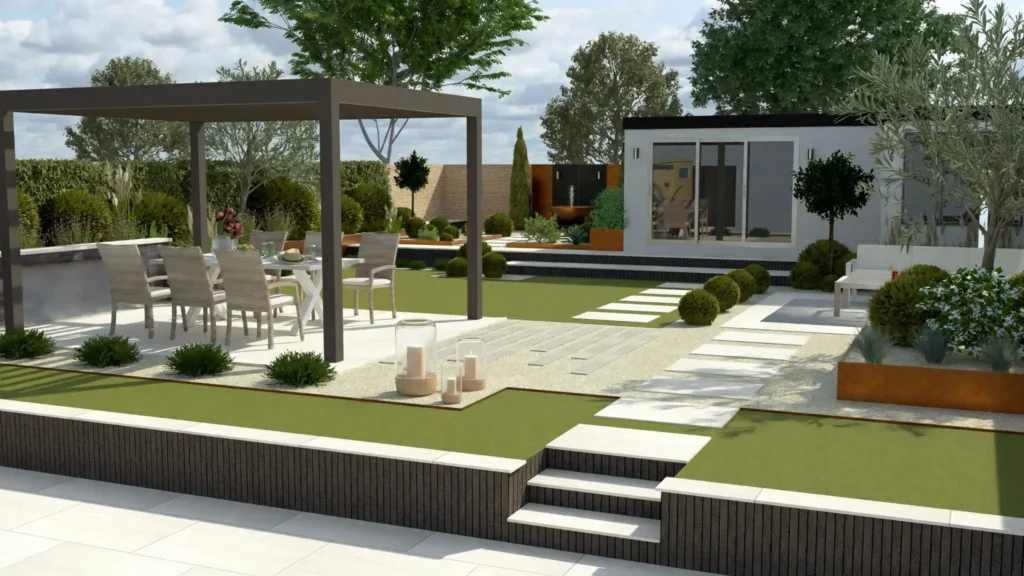
Landscape gardening is the art and practice of designing, planning, and maintaining outdoor spaces with the view of it being beautiful and practical. Landscape gardening is not about laying down a flower bed or mowing a lawn. It is a very creative procedure which blends together plants, structures, design principles, and creativity to see the metamorphosis of an outdoor space into a pleasant and useful environment. In this guide in detail, one will know what landscape gardening means, its importance, the major elements involved, and how to begin. The General Idea of Landscape Gardening For landscape gardening, it means beautifying and designing outside spaces like gardens, rear yards, lawns, etc. It draws and sustains a balance between natural components like plants and grass, and artificial components like paths, fences, and seating areas. Making a space appear lovely is only one aspect of gardening. A good landscape may offer comfort and relaxation, while being useful for whatever purpose fits best. In other words, landscape gardening converts an empty plot of land into a green, pleasant, and useful outdoor area. Why is Landscape Gardening Important? The act of landscape gardening, most people think, is just beautification; the opportunities it presents far exceed it. Some of the main considerations for the importance of landscape gardening are listed below: Health and Well-being Green areas relieve stress, uplift the mood, and fill in some time for outdoor fun. Environmental Benefits Gardens work to make the air cleaner, support wildlife, and prevent erosion of soil. Increase in Property Value A well-kept landscape may greatly increase the value of a property. Better Use of Space The garden can be set up for family parties, as play areas, or as quiet corners. Energy Efficiency Another advantage trees and shrubs have is that these plants provide shade while keeping up the energy efficiency during hot times. Main Elements of Landscape Gardening In order to fully comprehend landscape gardening, one has to understand its first principles. 1. The Softscape: The Living Elements Softscape may be termed the living components of a garden. These are: The softscape is what infuses life, colour, and freshness into gardens. The selection of plants varies with the climate, types of soil, and design theme of the garden. 2. The Hardscape: The Non-Living Elements Hardscape grades the artificial non-living stuff in the garden. Let’s consider a few examples: Hardscaping gives structure and purpose to the garden; without it, the landscape may appear incomplete. 3. Lighting and Water Features Outdoor lighting accentuates the garden’s beauty after dark and enhances security. Water features like ponds, fountains, or artificial waterfalls breathe an aura of calmness into the setting. 4. Design Principles Landscape gardening follows certain design principles such as balance, proportion, harmony, and contrast, all of which combine to make the garden look pleasing to the eye and well-organised rather than messy or cluttered. Benefits of Landscape Gardening Landscape gardening is not just about visual appeal; it also comes with various advantages. How to Start Garden Landscape Here are some simple steps if you want to create a landscaped garden of your own: Step 1: What Do You Want to Use the Garden For? Does the garden need to be used as a playground for children, a restful area for reading, or a garden of flowers? Step 2: Choose the Right Plants Plants for a garden should suit your local climate and soil conditions. This shall make upkeep easier. Step 3: Add Hardscape Elements Pathways, a small patio, or a seating area will work. They provide functionality to the structure. Step 4: Be Smart with Lighting and Water The atmosphere is cosy with outdoor lights, while water features calm it down. Keep it simple if you are working with a tight budget. Step 5: Maintenance Watering, pruning, and cleaning. This kind of attention will ensure that your landscape will endure through time. Example of Gardens Landscaping Imagine a backyard with a green lawn stretching in the middle, flanked on all sides by flowerbeds, a stone pathway leading to a wooden bench, and a small pond filled with joyful fish. This garden is softly lit when the darkness drapes over it. It is that perfect imprint of Landscape gardening where nature meets design. Common Types of Landscaping Garden Types of landscape gardening vary from taste to culture: Cottage Garden Style– Filled with colorful flowers in a natural, cozy setting. Frequently Asked Questions What is the difference between gardening and landscape gardening? Landscape gardening is considered the planting and caring of plants. The other side of the spectrum sees landscape gardening as a more inclusive term, using both plants and structures for designing the outdoors. Can I be my own landscape gardener? Sure, start on a small scale: plant flowers, arrange stones, and create a simple seating area. For big projects, it really is safer to hire the experts. Does landscape gardening really add value to the property? Yes, property alteration experts state that, depending on good landscaping design, property value can increase between 15 and 20 per cent. What types of plants are used in landscape gardening? It depends on what climate it grows in. In most gardens, evergreen shrubs, seasonal flowers, and shade trees are among the top choices. Conclusion Landscape gardening is designing and maintaining the exterior ambience in such a way that it is both beautiful and useful. It hands over plants, hardscape elements, lighting, and design concepts toward crafting gardens that provide shelter, nature, and functions. In designing a landscape, they are always considered investments, whether it is to build a small personal garden or to create a grand outdoor design. Landscaping improves health, assists with environment conservation, and raises the price of a property while adding charm to any building. If well-planted and well-maintained, good landscaping can be enjoyed by all.