
Landscaping a flower garden is one of the easiest and most enjoyable ways to make your outdoor space look beautiful. A flower garden adds color, life, and shape to your home. You can design one even if you are a complete beginner. With the right steps, planning, and simple ideas, anyone can create a lovely flower garden that blooms all year.
This guide explains, step by step, how to landscape a flower garden in a simple and clear way.

What Is a Flower Garden?
A flower garden is an area where different types of flowers are planted together in a planned design. It may include:
- Beds and borders
- Paths
- Edging
- Decorative stones
- Shrubs or small trees
- Mulch
- Groundcovers
A flower garden can be small or large. It can have simple rows or complex shapes. The key is good planning and choosing the right flowers for your climate and soil.
Why Landscape a Flower Garden?
A flower garden has many benefits:
- Makes your home look more attractive
- Adds color and texture
- Helps butterflies, bees, and pollinators
- Increases your property value
- Creates a peaceful place to relax
- Helps you enjoy nature at home
Good landscaping helps flowers grow better and look more organized.
Steps to Landscape a Flower Garden
Below is a simple method for landscaping a flower garden from start to finish.
Step 1: Choose the Right Location
Flowers need sunlight. Most flowers need 6 or more hours of sun each day. Before choosing a spot, check:
Sunlight
Is the area sunny, partly shaded, or fully shaded?
Soil type
Is your soil sandy, clay, or loamy?
Drainage
Does water drain well or stay muddy?
Choose a place that matches the type of flowers you want to grow.
Step 2: Plan Your Garden Design
A good plan makes landscaping easier.
Sketch your garden
Draw a simple layout showing:
- Flower beds
- Paths
- Edging
- The shape of the garden (curved or straight)
Think about color
Use color groups such as:
- Bright colors (red, yellow, orange)
- Cool colors (purple, blue, white)
Add height levels
A great flower garden has:
- Tall flowers at the back
- Medium flowers in the middle
- Low flowers at the front
This creates balance and makes all flowers visible.
Step 3: Prepare the Soil
Flowers grow best in healthy soil.
Clear the area
Remove:
- Weeds
- Stones
- Old plants
- Grass patches
Improve soil quality
Add:
- Compost
- Organic matter
- Topsoil
Mix these into the soil at least 15–20 cm deep. Good soil helps flowers grow strong and healthy.
Step 4: Choose the Right Flowers
Flower choice affects how your garden looks throughout the year.
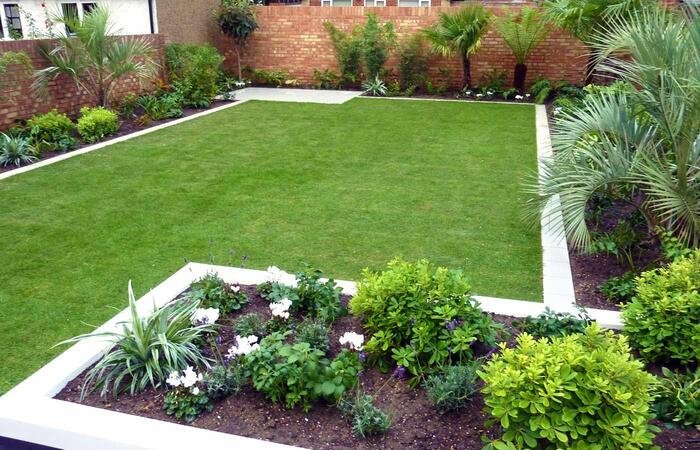
Annual flowers
These bloom for one season. Examples:
- Marigold
- Zinnia
- Sunflower
- Petunia
- Pansy
They give out bright colors fast.
Perennial flowers
These return every year. Examples:
- Lavender
- Daisy
- Peony
- Coneflower
- Salvia
They are great for long-term garden structure.
Bulbs
Flower bulbs bloom in different seasons:
- Spring bulbs: tulips, daffodils
- Summer bulbs: lilies, dahlias
Shrubs and evergreen plants
Add structure even in winter.
Choose flowers that suit your climate zone and soil.
Step 5: Arrange Flowers Before Planting
Before putting flowers in the ground, place the pots on the soil to see how they look.
Use height layers
- Tall plants at the back
- Medium plants in the middle
- Small plants at the front
Create color patterns
Group flowers in clusters of 3–5. This looks more natural than single plants.
Space plants correctly
Follow spacing instructions so flowers have room to grow.
Step 6: Plant the Flowers
Now it is time to plant.
- Dig a hole slightly bigger than the plant’s pot
- Remove the plant gently
- Place it in the hole at the same level it was in the pot
- Cover with soil
- Water well
Planting early morning or late afternoon helps prevent heat stress.
Step 7: Add Mulch or Decorative Stones
Mulch is very useful in flower gardens. It:
- Keeps soil moist
- Prevents weeds
- Improves soil quality
- Makes the garden look neat
Use wood mulch, bark, or pebbles depending on your style.
Step 8: Add Edging for a Clean Look
Edging separates your flower garden from the lawn or path. You can use:
- Brick edging
- Stone edging
- Metal edging
- Plastic edging
- Wooden borders
Edging helps keep soil in place and gives your garden a clean shape.
Step 9: Add Pathways and Accessories
Paths make it easy to walk through your garden. Use:
- Gravel
- Stepping stones
- Brick or paver paths
Accessories like garden stakes, small trellises, and raised beds also improve the look.
Tips for Landscaping a Beautiful Flower Garden
Use a mix of colors and textures
Different flower shapes and leaf styles make the garden interesting.
Choose flowers with different bloom times
This keeps your garden colorful all year.
Water regularly
Most gardens need watering at least 2–3 times a week.
Deadhead old flowers
Removing dead flowers helps new ones grow.
Avoid overcrowding
Give each plant space to grow.
Common Mistakes to Avoid
- Planting flowers too close
- Ignoring soil needs
- Choosing the wrong flowers for sun or shade
- Forgetting mulch
- Not planning before planting
- Overwatering or underwatering
Avoiding these mistakes helps your garden last longer.
FAQ About Landscaping a Flower Garden
How long does a flower garden take to grow?
Many annuals bloom in a few weeks. Perennials may take a season to fully develop.
Can beginners landscape a flower garden?
Yes. With simple planning and the right flowers, anyone can do it.
Do flower gardens need a lot of maintenance?
Some do. Choose low-maintenance flowers if you want easy care.
What is the cheapest way to start a flower garden?
Use seeds, mulch, and simple edging. Choose easy flowers like marigolds and zinnias.
Conclusion
Landscaping a flower garden is a simple and enjoyable project. With good planning, healthy soil, and the right flowers, you can create a bright and beautiful garden that lasts all year. Start with a clear design, plant in layers, use mulch, and care for your flowers regularly. Over time, your garden will become fuller, healthier, and more colorful.