
Hard landscaping is the part of garden and outdoor design that uses solid, non-living materials to shape and build outdoor spaces. It includes things like patios, paths, walls, steps, fences, decks, and driveways. These features give a garden its structure, layout, and strength.
While plants and grass bring life and color, hard landscaping creates the foundation that holds everything together. Without hard landscaping, a garden can look messy, be hard to use, and suffer from drainage or erosion problems.
In this guide, you’ll learn what hard landscaping is, why it matters, what it includes, and how it is different from soft landscaping.
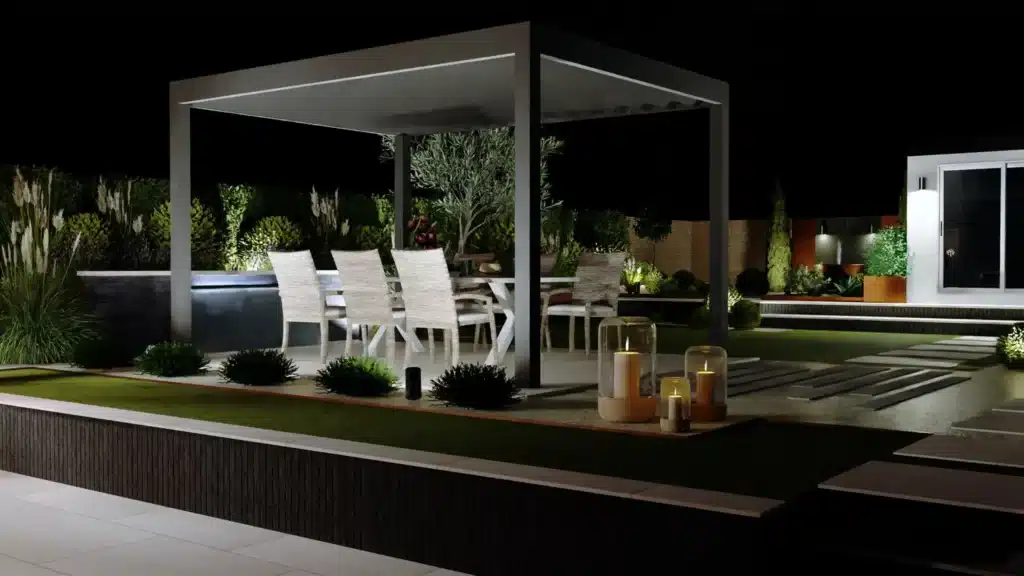
What Does Hard Landscaping Mean?
Hard landscaping (also called hardscaping) means building outdoor features using materials that do not grow or change naturally. These materials stay in place for many years and give the garden shape and order.
Hard landscaping focuses on:
- Structure
- Function
- Access
- Safety
- Drainage
- Long-term durability
Examples include stone patios, concrete paths, brick walls, wooden decks, and gravel driveways.
What Is Included in Hard Landscaping?
Hard landscaping includes many outdoor construction elements. These features help define how a garden looks and how people move through it.
Common Hard Landscaping Features
- Patios and terraces
- Garden paths and walkways
- Driveways
- Retaining walls
- Steps and stairs
- Decking
- Fences and boundary walls
- Raised beds
- Pergolas and garden structures
- Edging and borders
- Drainage systems
- Gravel areas
- Outdoor seating areas
Each feature has a purpose and improves how the garden works.
Why Is Hard Landscaping Important?
Hard landscaping plays a very important role in outdoor design. It is often done before planting because it creates the base of the garden.
Key Benefits of Hard Landscaping
- Makes the garden easy to walk and use
- Prevents soil erosion
- Controls water drainage
- Creates outdoor living areas
- Improves safety on slopes
- Gives the garden a clean, neat look
- Increases property value
- Reduces long-term maintenance
A garden with good hard landscaping lasts longer and stays tidy.
Hard Landscaping vs Soft Landscaping
Many people confuse hard landscaping with soft landscaping, but they are different.
Hard Landscaping
- Uses solid materials
- Includes patios, walls, paths, decking
- Does not grow
- Long-lasting and structural
Soft Landscaping
- Uses living elements
- Includes plants, grass, trees, flowers
- Changes with seasons
- Adds color and life
Both are important, but hard landscaping comes first because it supports everything else.
Materials Used in Hard Landscaping
Different materials are used depending on the style, budget, and climate.
Stone
- Natural and strong
- Used for patios, walls, paths
- Long-lasting
Concrete
- Affordable and versatile
- Used for slabs, driveways, steps
- Modern appearance
Brick
- Traditional and durable
- Used for paths, edging, walls
Wood
- Warm and natural look
- Used for decking, pergolas, fences
- Needs treatment to last longer
Gravel
- Low cost
- Good for paths and driveways
- Helps with drainage
Choosing the right material improves durability and appearance.
Types of Hard Landscaping Projects
Hard landscaping can be small or large depending on your needs.

Small Projects
- Garden edging
- Gravel paths
- Stepping stones
- Raised planters
Medium Projects
- Patios
- Decking
- Garden steps
- Small retaining walls
Large Projects
- Driveways
- Terraced gardens
- Full outdoor living spaces
- Boundary walls
All projects should start with a plan.
When Should Hard Landscaping Be Done?
Hard landscaping should always be done before planting. This is because:
- Construction can damage plants
- Heavy materials need space
- Ground needs leveling and compacting
- Drainage must be installed first
Once hard landscaping is finished, soft landscaping is added.
Does Hard Landscaping Add Value to a Home?
Yes. Hard landscaping can significantly increase property value.
Why Buyers Like Hard Landscaping
- Clean and organised outdoor space
- Ready-to-use patios and paths
- Low maintenance
- Good drainage and safety
- Better curb appeal
A well-designed hard landscape can increase home value by 5% to 20%, depending on quality and location.
Is Hard Landscaping Expensive?
Cost depends on:
- Size of the garden
- Materials used
- Design complexity
- Labour costs
Ways to Reduce Cost
- Use gravel instead of stone
- Start with small projects
- Do some work yourself
- Use local materials
Hard landscaping is an investment that lasts many years.
Can You Do Hard Landscaping Yourself?
Yes, many hard landscaping tasks are DIY-friendly.
Good DIY Hard Landscaping Jobs
- Gravel paths
- Garden edging
- Simple patios
- Raised beds
- Stepping stones
However, complex projects like large retaining walls or drainage systems may need professionals.
Common Hard Landscaping Mistakes
Avoid these mistakes to ensure success:
- Poor drainage planning
- Skipping ground preparation
- Using low-quality materials
- Mixing too many styles
- Not checking levels
- Ignoring safety on slopes
Good planning prevents expensive repairs later.
Hard Landscaping Design Tips
- Keep designs simple
- Match materials with your house style
- Use straight lines for modern gardens
- Use curves for natural gardens
- Combine hard and soft landscaping evenly
- Think about future maintenance
A balanced design always looks better.
FAQs
What is hard landscaping in simple words?
Hard landscaping means building garden features using solid materials like stone, wood, or concrete.
What is the difference between hard and soft landscaping?
Hard landscaping uses non-living materials like patios and walls, while soft landscaping uses plants, grass, and trees.
Is a patio hard landscaping?
Yes. Patios are one of the most common hard landscaping features.
Does hard landscaping include fencing?
Yes. Fences, walls, and boundaries are part of hard landscaping.
Should hard landscaping be done before planting?
Yes. Hard landscaping should always be completed before soft landscaping.
Is gravel considered hard landscaping?
Yes. Gravel paths, driveways, and areas are hard landscaping elements.
Does hard landscaping need maintenance?
Yes, but much less than soft landscaping. Occasional cleaning and repairs are enough.
Can hard landscaping increase home value?
Yes. Well-planned hard landscaping can significantly increase property value.
Is hard landscaping permanent?
Most hard landscaping features are long-lasting, but some can be changed or upgraded later.
Can beginners do hard landscaping?
Yes. Many simple projects are suitable for beginners with basic tools.
Conclusion
Hard landscaping is the backbone of any well-designed garden. It uses solid materials to create structure, improve usability, control drainage, and add long-term value. From patios and paths to walls and decks, hard landscaping shapes how a garden looks and works.
When combined with soft landscaping, it creates a balanced outdoor space that is beautiful, practical, and long-lasting. Whether you are planning a small DIY project or a full garden redesign, understanding hard landscaping is the first step to success.