
Your front garden is the first thing people see when they visit your home. A well-landscaped front garden makes your house look welcoming, clean, and attractive. It also increases your home’s value and creates a pleasant outdoor space.
You do not need a big budget or professional skills to landscape your front garden. With good planning and simple ideas, you can create a beautiful front garden that looks neat all year.
This guide explains how to landscape your front garden step by step in a clear and easy way.
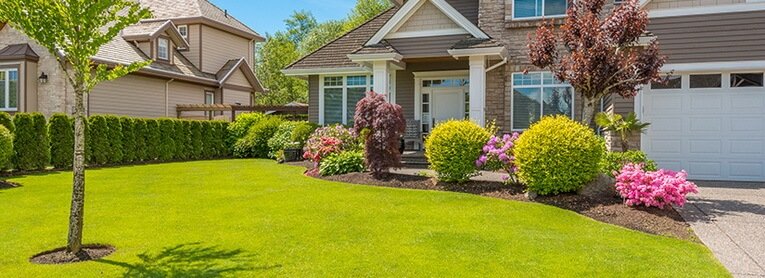
Why Landscaping Your Front Garden Is Important
Landscaping your front garden has many benefits:
- Improves curb appeal
- Makes your home look more attractive
- Increases property value
- Creates a neat and organized look
- Makes a good first impression
- Adds color and greenery
Even small improvements can make a big difference.
Step 1: Look at Your Front Garden Space
Before starting, take time to understand your front garden.
Check these things:
- Size and shape of the area
- Sunlight (full sun, partial shade, or shade)
- Soil type (sandy, clay, or mixed)
- Drainage (does water collect?)
- Existing plants or trees
Write down what you like and what needs improvement.
Step 2: Decide a Simple Garden Style
Choosing a style makes planning easier. Popular front garden styles include:
Simple and Clean
- Lawn with neat edges
- Few plants
- Straight paths
Flower Garden Style
- Colorful flowers
- Curved beds
- Seasonal plants
Low-Maintenance Garden
- Gravel areas
- Shrubs
- Mulch
Modern Front Garden
- Pavers or concrete
- Decorative stones
- Minimal plants
Pick one style to keep the garden looking balanced.
Step 3: Plan the Layout
A good layout keeps the garden organized.
Include:
- Pathway to the front door
- Planting beds on sides
- Lawn or gravel area
- Space around the entrance
Draw a simple sketch showing where each element will go.
Step 4: Create or Improve Pathways
A clear path helps visitors reach your door easily.
Path materials:
- Paving slabs
- Bricks
- Gravel
- Stepping stones
Make sure the path is wide, safe, and straight or gently curved.
Step 5: Prepare the Soil
Healthy soil helps plants grow well.
Soil preparation steps:
- Remove weeds and grass
- Loosen the soil with a shovel
- Add compost or organic matter
- Level the surface
Good soil means less plant problems later.
Step 6: Choose the Right Plants
Choose plants that suit your climate and garden size.
Best plants for front gardens:
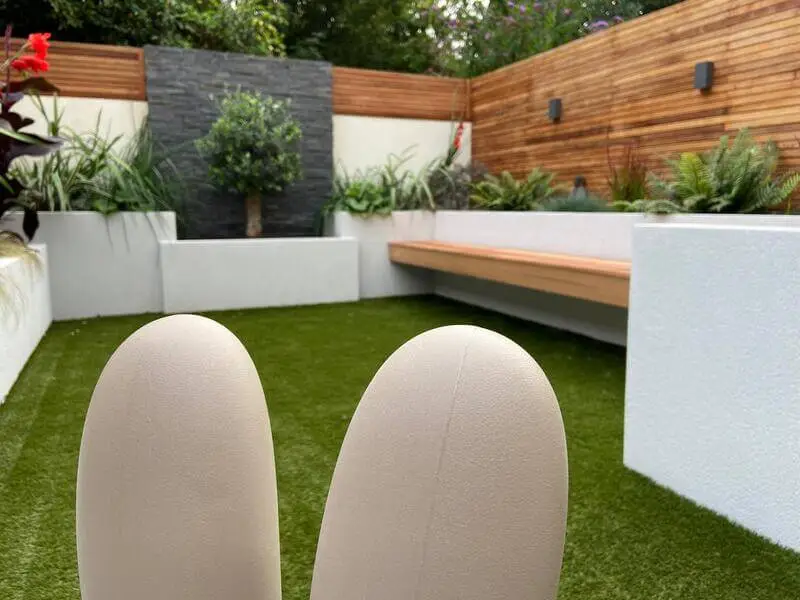
Shrubs
- Boxwood
- Lavender
- Roses
- Hydrangea
Flowers
- Marigold
- Petunia
- Pansy
- Geranium
Ground Covers
- Ivy
- Creeping thyme
- Periwinkle
Small Trees (if space allows)
- Olive tree
- Maple
- Lemon tree
Avoid plants that grow too large or messy.
Step 7: Plant in Layers
Layering makes your garden look neat and full.
- Tall plants at the back or near walls
- Medium plants in the middle
- Short plants at the front
Group plants in small clusters instead of single plants.
Step 8: Add Mulch or Decorative Stones
Mulch keeps the garden clean and healthy.
Benefits of mulch:
- Stops weeds
- Keeps soil moist
- Improves soil health
- Makes beds look tidy
You can use:
- Wood mulch
- Bark chips
- Pebbles
- Gravel
Step 9: Add Edging for a Clean Look
Edging separates the lawn from flower beds.
Edging materials:
- Bricks
- Stones
- Metal edging
- Plastic edging
Edging gives your front garden a professional look.
Step 10: Improve the Lawn or Replace It
A healthy lawn improves curb appeal.
Options:
- Repair existing grass
- Lay new turf
- Replace lawn with gravel or plants (low maintenance)
If you choose grass, keep edges trimmed.
Step 11: Add Lighting
Lighting makes your front garden look beautiful at night.
Lighting ideas:
- Solar path lights
- Wall lights near the door
- Spotlights for plants
Lighting also improves safety.
Step 12: Keep Maintenance Simple
Front gardens should be easy to maintain.
Maintenance tips:
- Choose low-maintenance plants
- Avoid overcrowding
- Water regularly but not too much
- Trim shrubs occasionally
- Remove weeds early
Simple care keeps the garden fresh.
Common Front Garden Landscaping Mistakes
Avoid these common errors:
- Planting too many plants
- Blocking pathways
- Using plants that grow too large
- Ignoring drainage
- Mixing too many styles
Keeping things simple works best.
Front Garden Landscaping Ideas for Small Spaces
If your front garden is small:
- Use vertical plants
- Choose compact shrubs
- Use pots and containers
- Keep paths narrow but clear
- Use light colors to make space look bigger
Small gardens can still look beautiful.
How Much Does It Cost to Landscape a Front Garden?
Costs depend on size and design.
Average costs:
- Small front garden: low to medium budget
- Medium front garden: moderate budget
- Large or detailed garden: higher budget
Using DIY methods helps reduce costs.
Does Landscaping a Front Garden Add Value?
Yes. A well-designed front garden:
- Improves curb appeal
- Attracts buyers
- Makes your home look well cared for
- Can increase property value
Many buyers decide within seconds based on the front view.
Conclusion
Landscaping your front garden is one of the best ways to improve your home’s appearance. With simple planning, the right plants, and clean design, you can create a welcoming front garden that looks great all year. Start small, keep it tidy, and choose easy-care plants. Over time, your front garden will grow more beautiful and add real value to your home.