
A garden room is a separate outdoor structure built within your garden to create extra living space without changing the main house. It is designed as a comfortable, insulated, and functional room that can be used throughout the year. Many homeowners add garden rooms to enjoy private workspaces, relax, entertain guests, or create a dedicated hobby area.
Garden rooms have become popular because they are cost-effective, stylish, and quick to build compared to traditional home extensions. This guide explains what a garden room is, how it works, its uses, benefits, and what to consider before adding one to your outdoor space.
Definition of a Garden Room
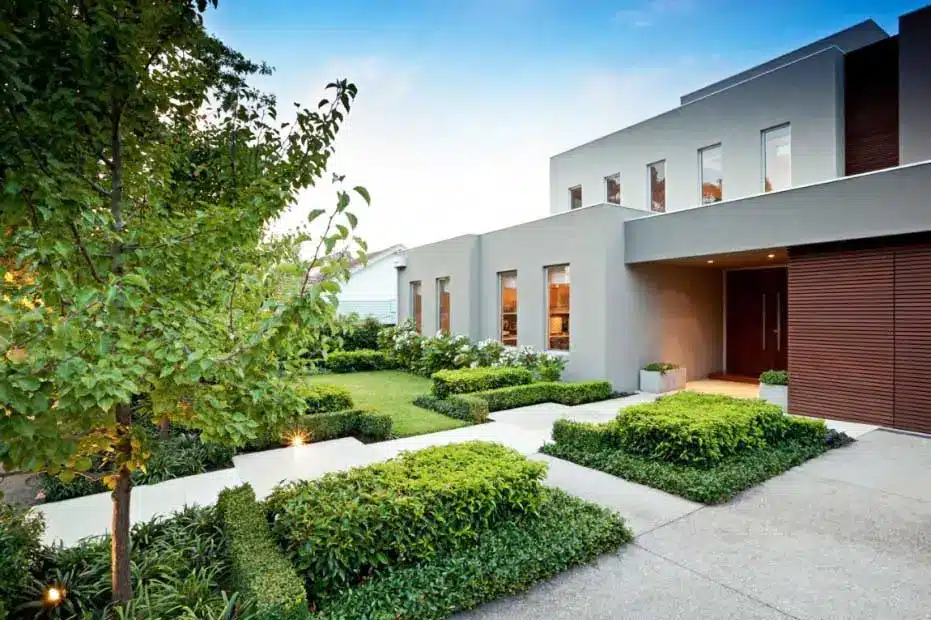
A garden room is a standalone building placed in your outdoor space. It is fully insulated, has strong walls, flooring, and glazing, and can be used as an extension of your home. Unlike a shed or summerhouse, a garden room is built with higher standards and designed for year-round use.
Most garden rooms look modern, feature large windows, and are built to match the style of the home and the surrounding landscape.
What Makes a Garden Room Different?
Not all outdoor buildings are garden rooms. Here is what sets them apart:
Full Insulation
Garden rooms are insulated in the walls, roof, and floor, allowing comfortable use in every season.
Strong Construction
They are usually built using timber frames, composite panels, or high-quality cladding, similar to home construction standards.
Multi-Purpose Design
A garden room can be used for work, leisure, hobbies, and more due to its durability and comfort.
Large Windows and Natural Light
Most designs include wide glass doors or floor-to-ceiling windows to create a bright and open look.
Permanent Yet Separate From the House
It functions like an extra room but remains separate from the main property for privacy and flexibility.
Popular Uses for a Garden Room
Garden rooms can be designed to fit nearly any purpose. Here are some of the most common uses:
1. Home Office
With the rise of remote working, garden rooms are often built as private home offices. They provide:
- Quiet space
- Good lighting
- Room for a desk and equipment
- A professional environment
A separate work area helps you stay focused without distractions from the main house.
2. Garden Gym
Many people turn their garden room into a personal gym. It saves time and gives you privacy for workouts. A garden gym can include:
- Treadmills
- Weights
- Yoga mats
- Exercise bikes
The insulation helps keep the space comfortable for all types of workouts.
3. Relaxation or Reading Room
Some homeowners use garden rooms as peaceful hideaways. With comfortable seating, warm lighting, and soft décor, it becomes a calm space to unwind.
4. Entertainment and Social Space
Garden rooms make great entertainment spots. They can be used as:
- Movie rooms
- Games rooms
- Music rooms
- Guest rooms
It creates a private space for gatherings or weekend relaxation.
5. Art Studio or Hobby Room
A garden room is perfect for creative activities like painting, crafting, photography, and jewellery making. The natural light and quiet atmosphere help support creative work.
6. Garden Room for Business Use
Many people use garden rooms to run small businesses. Common uses include:
- Beauty treatment room
- Barber room
- Therapy room
- Online business studio
It provides a dedicated workspace without renting commercial property.
Benefits of Adding a Garden Room
A garden room offers a wide range of advantages for homeowners.
1. Extra Space Without Extending Your Home
Instead of long construction work, planning permission, and high costs, a garden room offers quick and simple extra space.
2. Adds Value to Your Property
A well-built garden room increases your home’s market value because it adds usable living space, which buyers appreciate.
3. Flexible and Multi-Purpose
You can change the purpose of the garden room anytime. Today it may be an office; tomorrow it can be a gym or guest room.
4. Private and Separate From the House
The separation gives you a peaceful place to focus, relax, or enjoy hobbies without interruptions.
5. Quick Installation
Most garden rooms can be built in a short time compared to traditional extensions, depending on size and design.
6. Energy Efficient
With proper insulation and modern building materials, a garden room stays warm in winter and cool in summer.
Key Features of a High-Quality Garden Room
Before installing one, it is important to know what makes a garden room durable and long-lasting.
Strong Foundations
A level base such as concrete, timber frame, or ground screws supports the structure.
Insulated Walls and Roof
Quality insulation ensures comfort and energy efficiency.
Weather-Resistant Cladding
Materials like timber, composite panels, and metal cladding provide durability against outdoor conditions.
Double-Glazed Windows
For comfort, light control, and reduced noise.
Ventilation and Heating Options
Helps maintain air quality and consistent temperature.
Electrical Points and Lighting
Most garden rooms include sockets, lighting, and connection options for internet or heating.
Garden Room Materials
Different materials can be used depending on the style and budget:
Timber
Warm appearance, natural look, and popular for classic garden rooms.
Composite Cladding
Low maintenance and long-lasting modern finish.
uPVC or Aluminium Windows
Strong weather resistance and clean style.
Metal Roofing
Durable, lightweight, and weather-proof.
Each material affects cost, appearance, and longevity.
Do Garden Rooms Need Permission?
Most garden rooms fall under permitted development rules, as long as they meet size and height limits. However, this may vary depending on design and placement. Always check local guidelines before installation.
How to Choose the Right Garden Room
When planning a garden room, consider the following:
Purpose of the Room
Decide whether it will be used for work, leisure, fitness, or guests.
Size and Layout
Choose a size that suits your garden without overpowering the space.
Location
Place the room where you get good light and easy access.
Style and Design
Match it with your home’s look for a balanced outdoor appearance.
Budget
Garden rooms come in many price ranges, depending on features and build quality.
Conclusion
A garden room is a versatile outdoor structure designed to provide comfortable, insulated, and functional living space separate from the main house. It can be used as an office, gym, studio, entertainment room, or peaceful retreat. With quick installation, flexible uses, and added property value, garden rooms have become a popular choice for homeowners looking to expand their living space in a stylish and practical way.