
A stepped garden is a beautiful way to turn a sloped or uneven outdoor space into a stylish and useful garden. Instead of fighting against a hill or slope, you work with it. By creating levels or “steps,” you can make your garden more organized, attractive, and easier to maintain.
This guide will show you how to build a stepped garden in simple steps that anyone can follow, even if you are new to gardening or landscaping.
What Is a Stepped Garden?
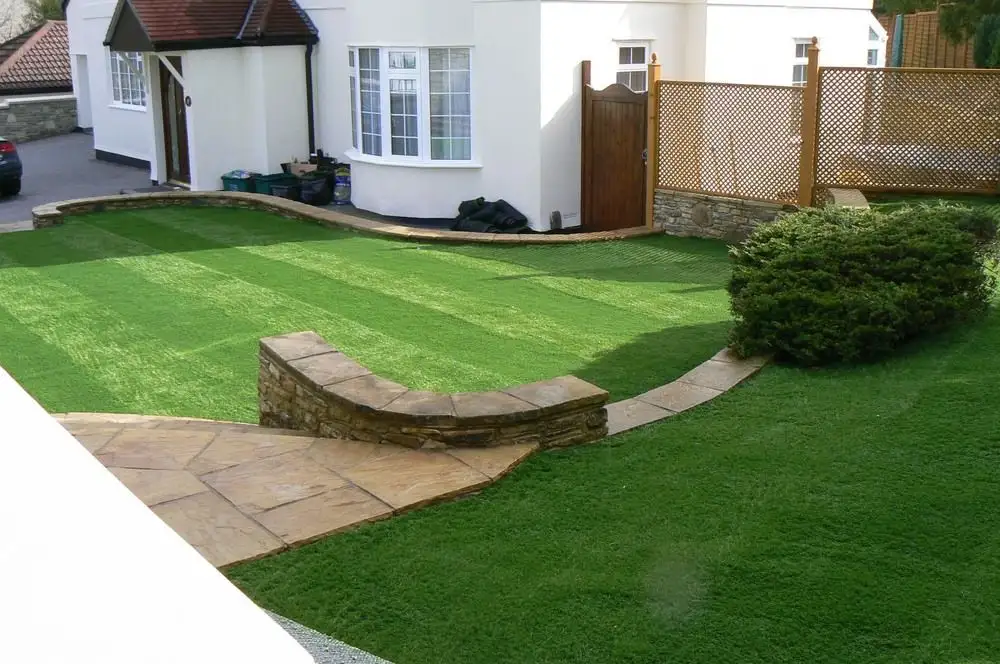
A stepped garden is a garden design that uses different levels on a slope. These levels are supported by small walls or edges, creating flat spaces where you can plant flowers, vegetables, or grass.
Each level looks like a “step,” which is why it is called a stepped garden.
Why Build a Stepped Garden?
A stepped garden is useful for many reasons:
- It stops soil erosion on slopes
- It makes gardening easier
- It improves drainage
- It creates a modern and clean design
- It increases usable outdoor space
It also adds beauty and structure to your outdoor area.
Planning Your Stepped Garden
Before you start building, planning is very important.
1. Study Your Garden Area
Look at:
- The slope of your land
- Sunlight direction
- Soil condition
- Water drainage
This helps you understand how many steps you can build.
2. Decide the Number of Levels
Most stepped gardens have 2 to 5 levels depending on the slope.
- Small slope → 2–3 levels
- Medium slope → 3–4 levels
- Steep slope → 4–5 levels
3. Choose a Design Style
You can choose different styles like:
- Modern straight lines
- Natural curved shapes
- Stone wall terraces
- Wooden retaining steps
Pick a style that matches your home garden.
Materials You Will Need
To build a stepped garden, you may need:
- Soil and compost
- Bricks, stones, or wood for walls
- Shovel and spade
- Garden rake
- Measuring tape
- Leveling tool
- Plants or seeds
Step-by-Step Guide to Build a Stepped Garden
Step 1: Mark the Garden Layout
Use string or chalk to mark where each level will go. This helps you see how the garden will look before you start digging.
Step 2: Clear the Area
Remove:
- Grass
- Rocks
- Weeds
- Old plants
Make the space clean and ready for work.
Step 3: Start Leveling the Ground
Begin shaping the first step at the bottom of the slope. Make a flat surface where soil can sit properly.
Work slowly and check that each level is even.
Step 4: Build Retaining Edges
Each level needs support so soil does not slide.
You can use:
- Stones
- Bricks
- Timber
- Concrete blocks
These act as small walls between each step.
Step 5: Add Soil to Each Level
Fill each section with good-quality soil. Mix compost to make it rich and healthy for plants.
Press the soil lightly so it stays in place.
Step 6: Improve Drainage
Good drainage is very important in a stepped garden.
- Add small gaps between stones
- Use gravel at the bottom
- Make sure water can flow down naturally
Step 7: Start Planting
Now the fun part begins.
You can plant:
- Flowers for beauty
- Herbs for cooking
- Vegetables for home use
- Small shrubs for structure
Place taller plants at the back and smaller ones at the front.
Step 8: Add Finishing Touches
Make your garden more beautiful by adding:
- Garden lights
- Decorative stones
- Pathways between steps
- Wooden edges or borders
Best Plants for a Stepped Garden
Here are some good plant choices:
- Lavender
- Roses
- Hostas
- Ferns
- Thyme and mint
- Small ornamental grasses
Choose plants based on sunlight and soil type.
Design Tips for a Beautiful Stepped Garden
- Keep each level balanced
- Don’t overcrowd plants
- Mix colors for a natural look
- Use stone and wood together for style
- Keep pathways easy to walk on
Common Mistakes to Avoid
Avoid these mistakes:
- Poor drainage planning
- Weak retaining walls
- Overwatering plants
- Planting too close together
- Ignoring slope stability
Fixing these early saves time and effort later.
Maintenance Tips for Stepped Gardens
To keep your garden healthy:
- Water regularly but avoid flooding
- Trim plants when needed
- Check soil stability after rain
- Remove weeds often
- Add compost every season
Benefits of a Stepped Garden
A stepped garden gives you:
- More usable space
- Better garden structure
- Improved plant growth
- Strong protection against soil erosion
- A modern and beautiful outdoor design
FAQs About Building a Stepped Garden
Is a stepped garden hard to build?
No, it is simple if you follow step-by-step planning and take your time.
What is the best material for retaining walls?
Stone and brick are strong and long-lasting options.
Can I build a stepped garden on a small slope?
Yes, even small slopes can be turned into 2–3 level gardens.
What plants grow best in stepped gardens?
Flowers, herbs, and small shrubs work very well.
How long does it take to build a stepped garden?
It depends on size, but usually a few days to a couple of weeks.
Conclusion
A stepped garden is a smart way to turn uneven land into a beautiful and useful space. With proper planning, simple materials, and a clear step-by-step process, anyone can create a garden that looks natural and well-designed.
Take your time, build each level carefully, and choose the right plants. The result will be a garden that is both practical and beautiful for many years.