
Plant nurseries play an important role in helping people grow healthy gardens, maintain outdoor spaces, and improve the environment. Many homeowners, businesses, and gardeners rely on nurseries for plants, trees, shrubs, and expert advice. A common question people ask is: Are plant nurseries essential services?
The answer depends on the situation, local regulations, and community needs. However, plant nurseries provide valuable products and services that support food production, environmental health, landscaping, and property maintenance.
In this guide, we will explain what plant nurseries do, why they are important, and whether they can be considered essential services.
What Is a Plant Nursery?
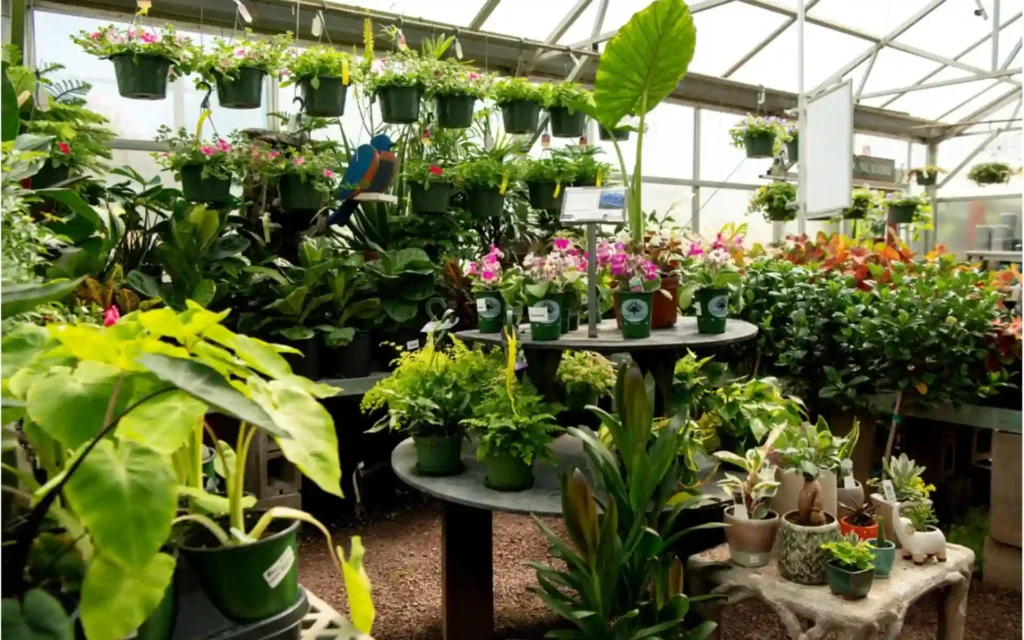
A plant nursery is a place where plants are grown, cared for, and sold. Nurseries offer a wide range of plants for homes, gardens, commercial properties, and public spaces.
These plants may include:
- Flowers
- Shrubs
- Trees
- Fruit plants
- Vegetable plants
- Indoor plants
- Herbs
- Seasonal plants
Plant nurseries also provide gardening supplies, soil, compost, fertilizers, and professional advice to help customers grow healthy plants.
What Does an Essential Service Mean?
An essential service is a business or organization that provides products or services considered necessary for daily life, public well-being, safety, health, or infrastructure.
Examples of essential services may include:
- Food suppliers
- Healthcare providers
- Utility companies
- Agricultural businesses
- Transportation services
- Waste management services
Whether a plant nursery is classified as essential often depends on its role in supporting agriculture, food production, landscaping, and environmental care.
Are Plant Nurseries Essential Services?
In many situations, plant nurseries can be considered essential because they support important activities that benefit homes, businesses, and communities.
Plant nurseries contribute to:
Food Production
Many nurseries sell vegetable plants, fruit trees, and herb plants. These products help people grow food at home and support local food production.
Home gardening has become increasingly popular because it allows families to produce fresh vegetables and fruits while reducing grocery costs.
Environmental Benefits
Plants improve air quality, reduce pollution, and support local wildlife. Nurseries help supply the plants needed for environmental projects, green spaces, and conservation efforts.
Trees and plants also help reduce carbon dioxide levels and improve urban environments.
Landscape Maintenance
Residential and commercial properties require ongoing landscape care. Nurseries provide replacement plants, shrubs, and trees needed to maintain outdoor spaces.
Without access to healthy plants, many landscaping projects would stop or face delays.
Community Well-Being
Gardening has been linked to improved mental health and overall well-being. Access to plants allows people to create enjoyable outdoor environments that encourage relaxation and outdoor activity.
Why Plant Nurseries Matter to Homeowners
Homeowners often depend on plant nurseries for more than just buying plants.
Nurseries provide:
Expert Advice
Many nursery professionals have extensive knowledge about plant care. They can help customers choose plants that suit local climate conditions, soil types, and maintenance needs.
Quality Plants
Plants from reputable nurseries are usually healthier and better cared for than plants from general retail stores.
Healthy plants often establish themselves faster and have a better chance of long-term growth.
Seasonal Recommendations
Different plants thrive during different seasons. Nursery experts help customers choose the right plants at the right time of year.
Garden Planning Support
Many nurseries assist customers with garden design ideas and planting recommendations to create attractive outdoor spaces.
How Plant Nurseries Support Landscaping Services
Landscaping companies rely heavily on plant nurseries for project materials.
Professional landscapers often purchase:
- Trees
- Decorative shrubs
- Ground cover plants
- Flowering plants
- Hedge plants
- Native species
Without access to nurseries, landscaping projects can become difficult to complete.
This is one reason why many people view plant nurseries as an important part of the landscaping industry.
The Role of Plant Nurseries in Local Economies
Plant nurseries support economic growth in several ways.
Job Creation
Nurseries employ workers involved in:
- Plant cultivation
- Customer service
- Landscape supply
- Plant transportation
- Garden consultations
These jobs contribute to local employment opportunities.
Supporting Small Businesses
Many independent gardeners, landscapers, and property maintenance companies rely on local nurseries for supplies.
This creates a strong network of businesses that support one another.
Encouraging Local Spending
When customers buy from local nurseries, money stays within the community and helps support local economic development.
Plant Nurseries and Sustainable Living
Sustainability has become increasingly important in modern landscaping and gardening.
Plant nurseries help support sustainable practices through:
Native Plants
Native plants often require less water and maintenance while supporting local wildlife.
Pollinator-Friendly Plants
Many nurseries offer plants that attract:
- Bees
- Butterflies
- Birds
These species play an important role in healthy ecosystems.
Water-Efficient Gardening
Nurseries often recommend drought-tolerant plants that help reduce water usage.
Organic Gardening Options
Many nurseries provide organic plants and environmentally friendly gardening products.
When Are Plant Nurseries Considered Essential?
Plant nurseries are often considered essential when they support:
Agricultural Operations
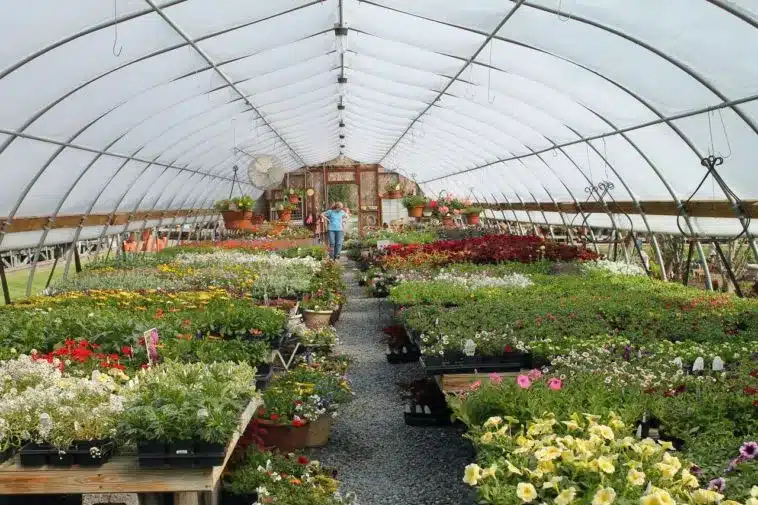
Farmers may need seedlings, fruit trees, and crop plants to maintain food production.
Environmental Projects
Tree planting initiatives and conservation projects often require nursery-grown plants.
Property Maintenance
Businesses, public spaces, and residential properties may need plants for safety, compliance, or landscape restoration.
Food Gardening
People growing fruits and vegetables at home may rely on nurseries for seasonal plants and gardening supplies.
Benefits of Shopping at a Local Plant Nursery
Choosing a local nursery offers several advantages.
Better Plant Selection
Local nurseries usually stock plants that are well suited to regional growing conditions.
Personalized Service
Customers can receive one-on-one advice from experienced staff.
Healthier Plants
Plants are often cared for more carefully than those sold in large retail chains.
Community Support
Buying locally helps support local growers and businesses.
Common Products Available at Plant Nurseries
Plant nurseries typically offer a wide range of products.
These may include:
Outdoor Plants
- Flowering plants
- Shrubs
- Trees
- Perennials
Edible Plants
- Vegetable seedlings
- Fruit trees
- Herb plants
Indoor Plants
- Houseplants
- Air-purifying plants
- Decorative foliage plants
Gardening Supplies
- Soil
- Compost
- Mulch
- Fertilizers
- Plant containers
How to Choose the Right Plant Nursery
Not all nurseries offer the same level of quality and service.
Consider the following factors when choosing a nursery:
Plant Health
Look for healthy plants with strong stems and vibrant leaves.
Knowledgeable Staff
Experienced staff can help answer questions and provide useful recommendations.
Product Variety
A good nursery should offer a wide range of plants and gardening supplies.
Positive Customer Reviews
Customer feedback can provide insight into plant quality and service standards.
Frequently Asked Questions
Are plant nurseries essential for gardeners?
Yes. Plant nurseries provide plants, supplies, and expert advice that help gardeners successfully grow and maintain healthy gardens.
Why are plant nurseries important?
Plant nurseries support gardening, landscaping, environmental projects, and food production while helping communities stay green and healthy.
Do plant nurseries sell food-producing plants?
Yes. Many nurseries sell vegetable plants, herbs, fruit trees, and other edible plants.
Can landscaping projects continue without plant nurseries?
Many landscaping projects depend on nurseries for plant materials. Without them, projects may face delays or limited plant availability.
Do nurseries help the environment?
Yes. Nurseries provide trees and plants that improve air quality, support wildlife, and contribute to sustainable landscapes.
Conclusion
Plant nurseries provide much more than plants. They support food production, landscaping, environmental improvement, and community well-being. Whether supplying trees for public spaces, vegetables for home gardens, or plants for landscaping projects, nurseries play an important role in daily life.
While official classifications may vary depending on local regulations, plant nurseries contribute essential products and services that help maintain healthy gardens, attractive landscapes, and greener communities. Their value extends beyond gardening, making them an important part of both the economy and the environment.