
How to Plan your Garden Design
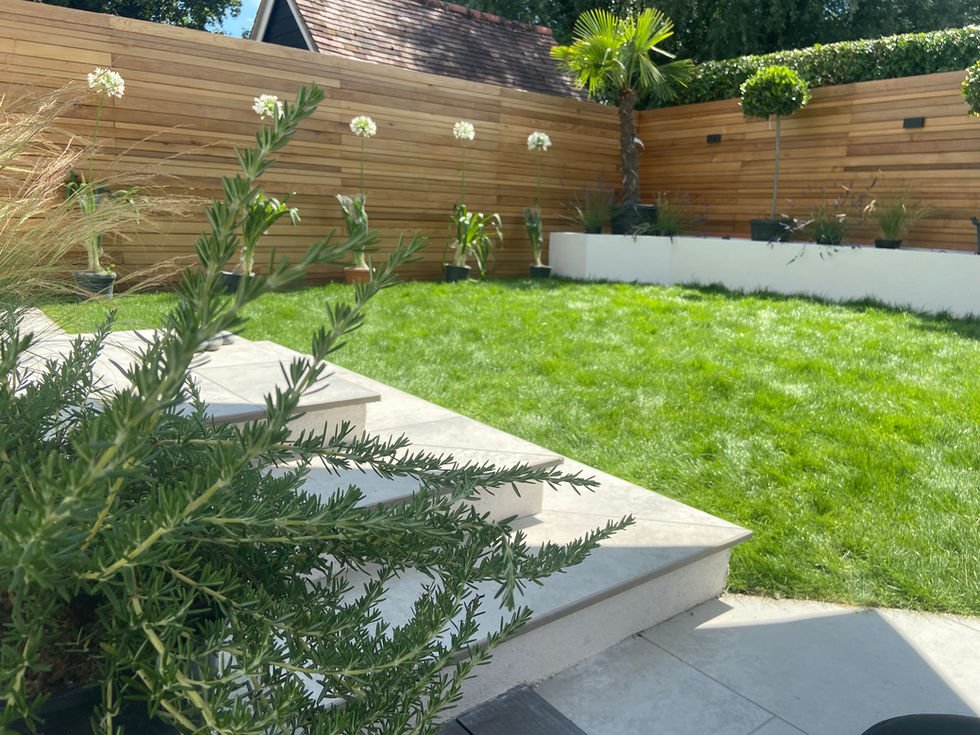
Introduction Planning a garden is one of the most exciting parts of creating your outdoor space. You imagine morning coffee on a patio, colorful flower beds, maybe a lush green lawn or a quiet corner to relax. But without a clear plan, that dream can quickly turn into confusion. The truth is, great gardens don’t happen by accident. They are carefully planned with the right layout, plants, materials, and purpose. If you’re wondering how to plan your garden design properly, this step-by-step guide will walk you through everything in a simple, practical way. Step 1: Start With How You Want to Use the Space Before thinking about plants or paving, ask yourself: Your garden design should reflect your lifestyle. A family garden looks very different from a modern minimalist courtyard. When you design around function first, everything else becomes easier. Step 2: Measure and Understand Your Garden Grab a notebook and measure your space. Note: Spend a full day observing how sunlight moves across the garden. Some areas may get full sun, while others remain shaded. This step is often skipped but it’s one of the most important parts of planning a garden layout. Step 3: Create a Simple Garden Layout Plan You don’t need to be an artist. A basic sketch is enough. Divide your space into “zones,” such as: Think about flow. How will people move through the garden? Paths should feel natural and practical. A well-zoned garden feels organized and balanced. Step 4: Decide on a Garden Style Choosing a style gives your garden personality and direction. Popular garden design styles include: Pick one main theme and stick to it. Mixing too many styles can make the space feel chaotic. Consistency creates harmony. Step 5: Plan Your Hard Landscaping First Hard landscaping includes patios, decking, pathways, walls, and fencing. These are the structural elements of your garden. Always plan hard landscaping before choosing plants because: Choose 2–3 main materials to keep the design clean and cohesive. Step 6: Choose the Right Plants for Your Climate This is where many people go wrong. Instead of choosing plants just because they look beautiful, consider: Native plants are often a smart choice because they adapt well and require less care. Think long-term. Small plants grow bigger than you expect. Step 7: Focus on Year-Round Interest A good garden should look attractive in every season not just summer. Plan for: Layering plants of different heights and blooming times keeps your garden visually interesting all year. Step 8: Don’t Forget About Maintenance Be honest with yourself. How much time do you realistically want to spend maintaining your garden? If you prefer low effort: Designing for maintenance saves stress later. Step 9: Add a Focal Point Every great garden needs something that draws the eye. This could be: A focal point anchors the space and gives it character. Step 10: Set a Realistic Budget Garden projects can quickly become expensive if you don’t plan your spending. Create a budget that includes: If needed, complete your garden in phases. It’s better to build slowly and properly than rush and regret. Step 11: Think About Privacy and Comfort Your garden should feel safe and private. Consider adding: Also think about: Comfort transforms a garden into a usable living space. Common Mistakes to Avoid When Planning a Garden Avoiding these mistakes ensures your garden remains beautiful and functional. Quick Garden Planning Checklist ✔ Define how you’ll use the space✔ Measure and observe sunlight✔ Create a layout sketch✔ Choose a consistent style✔ Plan hard landscaping first✔ Select climate-appropriate plants✔ Add a focal point✔ Budget carefully✔ Plan for all seasons✔ Design for easy maintenance FAQs How do I start planning my garden design? Start by deciding how you want to use the space. Measure your garden, observe sunlight, and sketch a simple layout. What should I plan first in a garden? Plan the layout and hard landscaping before choosing plants. How do I design a low-maintenance garden? Choose native plants, reduce lawn areas, install irrigation systems, and keep the layout simple. Do I need a professional garden designer? For large or complex projects, a professional can help avoid costly mistakes. For small gardens, careful DIY planning works well. How long does it take to plan a garden? Planning can take a few days to several weeks depending on the size and complexity. Conclusion Planning your garden design is about more than planting flowers. It’s about creating a space that fits your lifestyle, budget, and environment. Take your time. Sketch ideas. Observe your space. Think long-term. When you plan properly, your garden becomes more than just an outdoor area it becomes an extension of your home.
Common Garden Design Mistakes to Avoid

Introduction Designing a garden is exciting. You picture bright flowers, fresh green grass, and a peaceful place to relax. But without proper planning, small mistakes can turn your dream garden into a stressful and expensive project. Many garden design problems happen because people rush into planting without thinking about layout, maintenance, or long-term growth. The good news is that most of these mistakes are easy to avoid with smart planning and simple decisions. Whether you have a small backyard, a front garden, or a large outdoor space, this guide will help you avoid common garden design mistakes and create a space that looks beautiful and works well for years to come. 1. Starting Without a Clear Plan One of the biggest mistakes in garden design is planting without a layout. It may feel exciting to begin right away, but without a plan, plants can outgrow their space, paths may feel cramped, and the garden can look messy. Before you start, measure your garden and sketch a simple layout. Decide where your lawn, seating area, flower beds, and pathways will go. Think about how people will move through space. A clear plan saves money, time, and effort in the long run. 2. Choosing Plants Based Only on Looks It’s easy to fall in love with colorful plants at a garden center. However, not every plant is suitable for your garden. Some require full sun, while others need shade. Some grow very large, and others need special soil conditions. Instead of choosing plants only for their appearance, consider your climate, soil type, sunlight exposure, and maintenance level. Native plants are often a smart choice because they adapt well to local conditions and require less care. 3. Not Paying Attention to Sunlight Sunlight plays a major role in plant health. Planting without understanding light conditions can lead to weak growth or dying plants. Observe your garden throughout the day. Notice which areas receive full sun, partial shade, or deep shade. Then match plants to those light conditions. When plants receive the right amount of sunlight, they grow stronger and healthier. 4. Ignoring Drainage Water management is often overlooked in garden design. Poor drainage can cause water to collect in certain areas, leading to root rot, muddy lawns, and damaged paving. To prevent these issues, improve soil structure with compost or sand if needed. Use permeable paving materials and make sure surfaces slope slightly away from buildings. Proper drainage keeps your garden healthy and protects your investment. 5. Overcrowding Plants When plants are small, it’s tempting to place them close together to make the garden look full. However, plants grow over time, and overcrowding leads to competition for nutrients, reduced air circulation, and higher risk of disease. Always check the mature size of each plant before planting. Leave enough space for growth so your garden remains balanced and healthy in the future. 6. Designing Without Thinking About Maintenance A garden should bring joy, not stress. If you design a space that requires constant pruning, watering, and care, it may quickly become overwhelming. Choose low-maintenance plants if you have limited time. Keep the layout simple and make sure planting beds are easy to reach. Consider installing an irrigation system for convenience. Designing with maintenance in mind ensures your garden stays attractive without excessive effort. 7. Forgetting to Create a Focal Point A garden without a central feature can feel flat and uninteresting. A focal point draws attention and adds structure to the space. This could be a feature tree, a seating area, a water feature, a sculpture, or even a raised planter. A strong focal point gives your garden character and balance. 8. Overlooking Soil Quality Healthy soil is the foundation of a successful garden. Planting without improving poor soil often leads to slow growth and weak plants. Test your soil if possible and add compost to improve its structure and nutrients. Good soil supports strong roots, which leads to healthier plants and better results. 9. Using Too Much Lawn Large lawn areas may seem attractive, but they require regular mowing, watering, and maintenance. They also provide limited visual interest. Instead of covering your entire garden with grass, combine lawn areas with flower beds, shrubs, gravel sections, or seating zones. This creates more variety and reduces maintenance needs. 10. Poorly Designed Pathways Garden paths should feel natural and practical. If they are too narrow or poorly placed, people may avoid them and create shortcuts across lawns. Make pathways wide enough for comfortable walking and use durable materials. Place them where people naturally walk to improve both function and appearance. 11. Mixing Too Many Materials Using too many colors, paving types, and textures can make a garden feel chaotic. While variety can add interest, too much creates visual confusion. Limit your design to two or three main materials and keep colors consistent. Simple, coordinated choices create harmony and elegance. 12. Ignoring Privacy Privacy is important for relaxation. If neighbors can see directly into your garden, it may feel less comfortable. You can improve privacy by adding hedges, trees, fencing, or trellises with climbing plants. A well-designed private space feels more peaceful and inviting. 13. Designing for Only One Season Some gardens look beautiful in summer but dull in winter. Without year-round planning, your garden may lose interest for months. Choose plants that bloom in different seasons. Include evergreen plants for winter structure and shrubs with autumn color. This ensures your garden stays attractive throughout the year. 14. Poor Scale and Proportion Using features that are too large or too small for your garden can make the space feel unbalanced. A huge water feature in a small garden can feel overwhelming, while tiny plants in a large space may disappear visually. Match design elements to the size of your garden. Smaller spaces benefit from compact plants and simple features, while larger gardens can handle bold trees and strong focal points. 15. Not Setting a Budget Without a clear budget, garden projects can quickly become expensive. You
What Are Plant Services?

Plant services are professional services that focus on supplying, installing, and caring for plants in outdoor and indoor spaces. These services are widely used in landscaping, gardening, construction projects, offices, commercial buildings, and public spaces. In simple words, plant services help people choose the right plants, place them correctly, and keep them healthy over time. Plant services are an important part of modern landscaping and urban development, especially in cities across the UK. Simple Definition of Plant Services Plant services are all activities related to plants, including: They help create and maintain green, healthy, and attractive spaces. What Do Plant Services Include? Plant services can vary depending on the project size and location, but they usually include the following core services. Plant Supply Services Plant supply is the first step in plant services. It involves providing suitable plants based on location, climate, and design needs. Common Plant Supply Items Professional plant suppliers ensure plants are healthy and suitable for local conditions. Plant Installation Services Plant installation focuses on placing plants correctly in the ground or containers so they can grow properly. Plant Installation Tasks Correct spacing, soil preparation, and planting depth are very important. Plant Maintenance Services Plant maintenance services help keep plants healthy and attractive over time. Common Maintenance Services Regular maintenance improves plant life and appearance. Tree and Shrub Services Trees and shrubs need special care because they grow large and live for many years. Tree and Shrub Services Include These services help maintain safety and plant health. Indoor Plant Services Indoor plant services are popular in offices, hotels, hospitals, and shopping centers. Indoor Plant Services Include Indoor plants improve air quality and create a calm environment. Types of Plant Services by Location Residential Plant Services Used for: Commercial Plant Services Used for: Public and Urban Plant Services Used for: Why Are Plant Services Important? Plant services offer many benefits for people and the environment. Improve Appearance and Beauty Plants make spaces look fresh, clean, and attractive. Well-maintained plants improve the overall design of landscapes and buildings. Support Plant Health Professional plant services ensure: This prevents plant loss and disease. Save Time and Effort Plant care requires knowledge and time. Hiring plant services saves effort and ensures professional results. Improve Air Quality Plants absorb pollutants and release oxygen, improving indoor and outdoor air quality. Increase Property Value Healthy plants and green spaces increase property value and curb appeal. Plant Services in Landscaping Projects Plant services play a key role in landscaping. They are used in: Plant services usually follow hard landscaping work. Plant Services and Sustainable Landscaping Modern plant services focus on sustainability. Sustainable Plant Practices These practices reduce environmental impact. Plant Services in the UK In the UK, plant services often focus on: UK plant services also support environmental and climate goals. Plant Services in the United States In the US, plant services are used for: Different climates require region-specific plant selection. Plant Services in Canada In Canada, plant services must consider: Native and hardy plants are commonly used. How Much Do Plant Services Cost? Plant service costs depend on: Plant services can be one-time or ongoing. DIY vs Professional Plant Services DIY Plant Care Good for: Professional Plant Services Better for: Professionals reduce mistakes and plant loss. Common Problems Without Plant Services Plant services help avoid these problems. Future of Plant Services The future of plant services includes: Plant services will become more important as cities grow. FAQs What are plant services in simple words? Plant services help supply, plant, and take care of plants. Are plant services part of landscaping? Yes, plant services are a key part of landscaping. Do plant services include maintenance? Yes, most plant services include regular care. Are plant services only for gardens? No, they are used indoors, outdoors, and in public spaces. Do plant services increase property value? Yes, healthy plants improve curb appeal and value. Final Thoughts Plant services are essential for creating and maintaining healthy green spaces. From supplying plants to long-term care, these services support beauty, health, and sustainability. As cities continue to grow, plant services will play an even bigger role in making spaces greener and healthier.
What Are Urban Landscapes?

Urban landscapes are planned outdoor spaces in cities and towns. They include parks, streets, gardens, plazas, rooftops, and green areas around buildings. These landscapes combine nature and city structures to improve how people live, move, and relax in urban areas. Unlike natural landscapes such as forests or mountains, urban landscapes are designed and managed by people. They are created to support daily life, protect the environment, and make cities more beautiful and comfortable. Simple Definition of Urban Landscapes In simple words, an urban landscape is any outdoor space in a city that is designed for people and nature. This can be as big as a city park or as small as a tree planted along a street. Examples of Urban Landscapes Common examples include: Even a small green area in a busy city is part of the urban landscape. Key Elements of Urban Landscapes Urban landscapes are made up of hard landscaping and soft landscaping elements. Hard Landscaping Elements These are built or man-made features: Soft Landscaping Elements These include living and natural features: A good urban landscape balances both hard and soft elements. Why Are Urban Landscapes Important? Urban landscapes play a vital role in modern cities. 1. Improve Quality of Life Green spaces help people relax, exercise, and spend time outdoors. 2. Support Mental and Physical Health Parks and green areas reduce stress, improve mood, and encourage walking and outdoor activities. 3. Reduce Air and Noise Pollution Trees absorb pollution and reduce traffic noise. 4. Control Urban Heat Plants cool cities by reducing heat from concrete and asphalt. 5. Manage Rainwater and Flooding Green areas absorb rainwater and reduce surface flooding. 6. Increase Property Value Well-designed urban landscapes make neighborhoods more attractive and valuable. Urban Landscape Design Urban landscape design is the process of planning, creating, and managing outdoor city spaces. Designers consider: The goal is to create spaces that are functional, attractive, and easy to maintain. Sustainable Urban Landscapes Modern cities focus on sustainable urban landscaping to protect the environment. Common sustainable practices include: Sustainable urban landscapes reduce costs and environmental damage. Urban Landscapes in the UK In the UK, urban landscapes often focus on: Cities like London, Manchester, and Birmingham use urban landscaping to improve air quality and public health. UK councils also promote eco-friendly landscaping to meet climate goals. Who Plans and Maintains Urban Landscapes? Urban landscapes are created and managed by: They work together to keep cities green and functional. Challenges in Urban Landscaping Urban landscaping faces several challenges: Good planning helps overcome these problems. Future of Urban Landscapes The future of urban landscapes includes: As cities grow, urban landscapes will become even more important. FAQs What is an urban landscape in simple terms? An urban landscape is a designed outdoor space in a city, such as a park or street with trees. Are urban landscapes only parks? No, they include streets, rooftops, plazas, and small green areas. Why are urban landscapes important for cities? They improve health, reduce pollution, and make cities nicer to live in. Can urban landscapes be eco-friendly? Yes, with native plants and sustainable design. Who designs urban landscapes? Landscape architects and urban planners. Conclusion Urban landscapes are essential for healthy and livable cities. They bring nature into urban areas, support health, protect the environment, and improve daily life.
What Is Sodding in Landscaping?
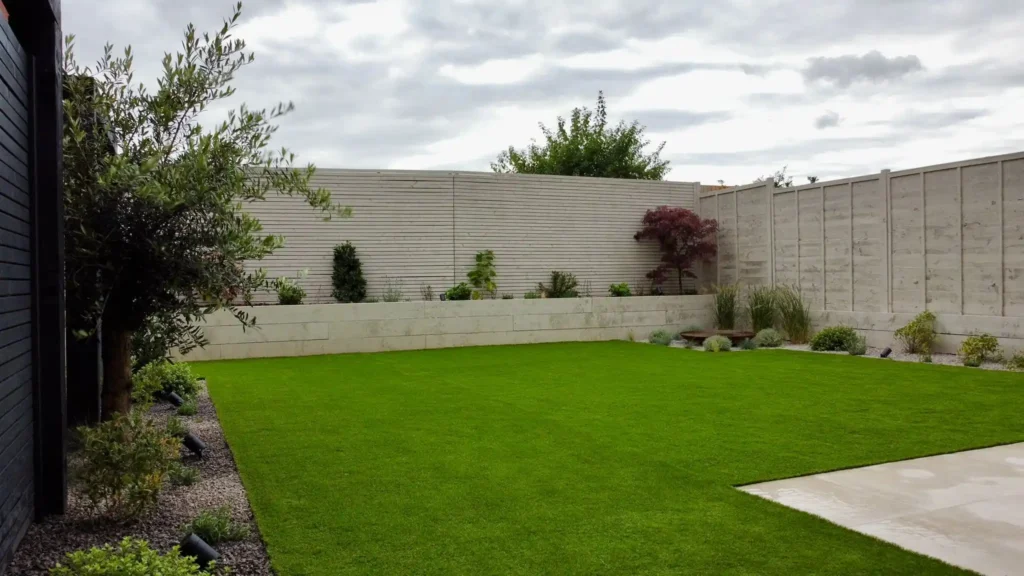
Sodding is a landscaping method where ready-grown grass is placed on soil to create a green lawn quickly. Instead of planting grass seeds and waiting weeks or months, sodding gives you an instant lawn. In landscaping, sodding is often used for homes, parks, schools, offices, and sports fields because it looks neat right away and helps protect the soil. This article explains what sodding is, how it works, its benefits, cost, maintenance, and how it compares to seeding, in a clear and easy way. What Is Sod? Sod is grass that is already grown with its roots, soil, and nutrients attached. It is cut into rolls or square pieces and delivered to the site. Sod usually includes: Once laid on prepared ground and watered, the grass roots grow into the soil below. What Does Sodding Mean in Landscaping? In landscaping, sodding means installing sod to create a lawn or grassy area. It is a finishing step that makes outdoor spaces look complete and attractive. Landscapers use sodding to: Sodding is common in both residential and commercial landscaping projects. How Does the Sodding Process Work? 1. Soil Preparation The old grass, weeds, and rocks are removed. The soil is loosened and leveled so roots can grow easily. 2. Soil Improvement Compost or fertilizer may be added to improve soil quality and drainage. 3. Laying the Sod Sod pieces are placed tightly together like puzzle pieces. Gaps are avoided to prevent drying. 4. Watering The sod is watered immediately to keep roots moist and help them attach to the soil. 5. Aftercare For the first few weeks, regular watering is very important. Types of Grass Used for Sodding Different grasses are used depending on climate and use. Cool-Season Grasses Best for cooler areas. Warm-Season Grasses Best for warmer climates. Choosing the right grass helps the lawn stay healthy longer. Benefits of Sodding in Landscaping Instant Green Lawn Sodding gives a finished look immediately, unlike seeding. Faster Results A seeded lawn can take months. Sod looks good the same day. Prevents Soil Erosion Sod holds soil in place, especially on slopes or hills. Fewer Weeds Since sod is thick and mature, weeds have less space to grow. Adds Property Value A green lawn improves curb appeal and home value. Where Is Sodding Commonly Used? Sodding is used in many landscaping projects, such as: It is especially useful where grass must grow quickly. How Much Does Sodding Cost? The cost of sodding depends on: On average, sodding costs more than seeding, but it saves time and gives better short-term results. How to Take Care of a New Sod Lawn Watering Water daily for the first 2–3 weeks. Keep soil moist but not flooded. Mowing Wait until the grass is firmly rooted before mowing. Fertilizing Apply fertilizer after a few weeks if needed. Avoid Foot Traffic Do not walk on new sod until roots are strong. Good care helps sod last for many years. Common Problems with Sodding These problems can be avoided by proper installation and care. Is Sodding Eco-Friendly? Sodding can be eco-friendly when: It also helps reduce dust, soil erosion, and heat. Is Sodding Right for Your Landscape? Sodding is a good choice if you: If budget is limited and time is not an issue, seeding may be better. FAQs About Sodding in Landscaping What is sodding in simple words? Sodding means placing ready-grown grass on soil to make a lawn quickly. How long does sod take to root? Most sod takes 2–3 weeks to root if watered properly. Can sod be installed anytime? Spring and early fall are best, but it depends on the climate. Is sod better than seed? Sod is faster and cleaner, but seed is cheaper. How long does sod last? With good care, sod can last many years. Conclusion Sodding in landscaping is one of the fastest and most effective ways to create a green lawn. It provides instant beauty, protects soil, and improves outdoor spaces. While it costs more than seeding, the results are quicker, cleaner, and more reliable. With proper care, a sodded lawn can stay healthy and beautiful for a long time. If you want a professional and finished landscape look, sodding is an excellent choice.
What Is Hard and Soft Landscaping? A Complete Guide

Hard and soft landscaping are the two main parts of garden and outdoor design. Together, they shape how an outdoor space looks, feels, and works. Whether it is a home garden, front yard, backyard, or commercial property, both types of landscaping are essential for creating a balanced and attractive outdoor area. Hard landscaping provides structure and strength, while soft landscaping adds beauty, life, and nature. Understanding the difference between the two helps homeowners, property developers, and gardeners plan better outdoor spaces. This guide explains what hard and soft landscaping are, their differences, examples, benefits, costs, and how they work together. What Is Hard Landscaping? Hard landscaping (also called hardscaping) refers to all the non-living, solid features in a garden or outdoor space. These elements are usually built from materials such as stone, concrete, brick, wood, or metal. Hard landscaping forms the foundation of a garden. It shapes the layout and makes outdoor areas usable and safe. Examples of Hard Landscaping Common hard landscaping features include: These features are long-lasting and often stay in place for many years. What Is Soft Landscaping? Soft landscaping includes all the living elements of a garden. These are the parts that grow, change with the seasons, and need regular care. Soft landscaping brings color, texture, and natural beauty to an outdoor space. Examples of Soft Landscaping Common soft landscaping elements include: Soft landscaping softens hard surfaces and makes the garden feel alive Why Are Hard and Soft Landscaping Both Important? A garden with only hard landscaping can look cold and lifeless. A garden with only soft landscaping may lack structure and become hard to maintain. Benefits of Combining Hard and Soft Landscaping Professional landscapers always design gardens using both elements together. Which Comes First: Hard or Soft Landscaping? Hard landscaping always comes first. This is because: Once hard landscaping is complete, soft landscaping is added to finish the garden. Materials Used in Hard Landscaping Hard landscaping materials are chosen based on style, budget, and climate. Stone Concrete Brick Wood Gravel Choosing the right materials improves durability and appearance. Plants Used in Soft Landscaping Soft landscaping plants are chosen based on climate, soil, and maintenance needs. Common Soft Landscaping Plants Native and low-maintenance plants are often the best choice. Hard and Soft Landscaping for Front Gardens Front gardens need both structure and beauty. Hard Landscaping in Front Gardens Soft Landscaping in Front Gardens Together, they improve curb appeal and make a strong first impression. Hard and Soft Landscaping for Back Gardens Back gardens focus more on relaxation and outdoor living. Hard Landscaping Features Soft Landscaping Features A balanced design creates a comfortable outdoor space. Does Hard and Soft Landscaping Add Property Value? Yes. Well-designed landscaping can increase property value by 5% to 20%. Why Landscaping Adds Value Buyers often decide within seconds based on the garden’s appearance. Is Hard or Soft Landscaping More Expensive? Hard landscaping usually costs more upfront due to materials and labor. Soft landscaping may cost less initially but requires ongoing maintenance. Cost Factors A balanced approach helps control costs. Can You Do Hard and Soft Landscaping Yourself? Yes, many landscaping tasks can be done as DIY projects. DIY-Friendly Tasks Large projects like retaining walls or drainage systems may need professionals. Common Landscaping Mistakes to Avoid Good planning avoids costly mistakes. FAQs What is hard and soft landscaping in simple words? Hard landscaping uses solid materials like patios and paths, while soft landscaping uses plants and grass. Is grass hard or soft landscaping? Grass is part of soft landscaping. Is a patio hard landscaping? Yes, patios are hard landscaping features. Do I need both hard and soft landscaping? Yes. A balanced garden needs both structure and plants. Which landscaping lasts longer? Hard landscaping lasts longer, while soft landscaping changes over time. Can landscaping increase home value? Yes. Good landscaping improves curb appeal and property value. Is landscaping high maintenance? Hard landscaping is low maintenance, while soft landscaping needs regular care. Can beginners do landscaping? Yes. Many simple landscaping tasks are beginner-friendly. Conclusion Hard and soft landscaping are the foundation of every well-designed outdoor space. Hard landscaping provides structure, strength, and usability, while soft landscaping brings life, color, and natural beauty. When planned together, they create gardens that are attractive, functional, and valuable. Whether you are designing a small home garden or a large outdoor area, understanding hard and soft landscaping helps you make better decisions and achieve long-lasting results.
What Are the Five Kinds of Landscapes?
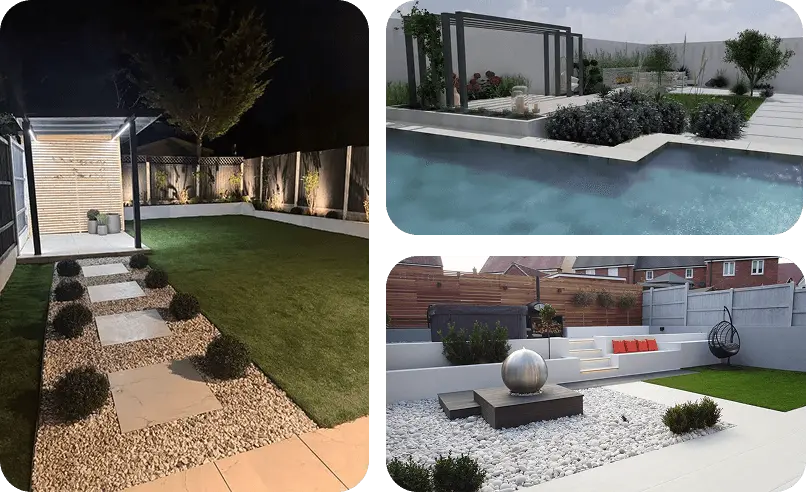
The natural things we see all around us are landscapes. They have forests, valleys, mountains, and places by the sea. What are the five types of landscape? This helps students learn about how the planet’s surface looks and how it works in geography. Nature and people work together over many years to shape landscapes. Numerous kinds of landscapes are home to different plants, animals, and actions by people. It’s easy to understand what the five types of scenery mean in this section. The ideas are simple because it was made for kids in the fourth grade. First, let’s talk about what a setting means in geography. Where Can I Find a Landscape in Geography? The things that can be seen on a piece of land are its scenery. This includes hills, rivers, woods, fields, and other types of land. In geography, “landscape” also refers to how land looks as well as how it is used. They can be big, like fields, or small, like parks. A wild environment is land that has been made by nature as well as hasn’t been changed much by people. These scenes are made over a long period of time by wind, water, and dirt moving. The way the land looks helps us understand how the Earth’s surface appears distinct in various locations. Natural vs. Cultural Landscapes Natural Landscapes Mountains, rivers, woods, and deserts are all types of natural landscapes. Most of these places were made by nature. The weather and other natural forces make them change slowly over time. Nature’s scenes are home to animals and plants. Cultural Landscapes Land that has been changed by people is called a culture setting. People have changed the environment by building farms, towns, roads, and parks. People live, work, and grow food on this land, as shown by these scenes. Why Are There Different Types of Landscapes? Putting landscapes into groups helps us study Earth more efficiently. Students can learn more about the features that land contains by putting it into types. In geography, the different types of landforms describe how land looks and how it was made. It’s clear that landscapes are important because they have an impact on temperature, plants, animals, and people. The processes that make up landscapes help us understand why mountains rise and rivers move. Different types of land each play a part in nature. Things That Make Each Landscape Unique The weather and the scenery are connected. Over time, rain, heat, and snow can change the land. Some places turn into deserts and others into woods. Soil, water, and live things are all affected by climate. Rocks are gradually broken up by erosion and aging. When Earth’s plates move and make mountains or valleys, this is called tectonic action. Building homes, roads, and fields, which change the land, is one way that people change scenery. How to Understand the Five Types of Landscapes Mountain, plain, grassland, desert, and coastal are the five types of scenery. You might also call these “major landscape types.” The landforms and traits are different for each one. These groups of landforms help students understand how Earth is split up. Let’s look at each type of scenery one by one. 1. Views of Mountains High land, steep hills, and cold weather at the top are all features of mountain landscapes. Mountains usually have thin, rocky dirt. Mountains that are high often get snowfall. The Himalayas and the Andes are both examples of mountain scenery. These are also known as mountain scenes. Peaks, slopes, and valleys are all types of mountain features. How Mountain Scenery Is Made One main reason mountains form is that tectonic plates move. Plates rise and form mountains when they push together. It takes many years to do this. Some mountains are made when rock cools and freezes and turns into mountains. Some mountains are fold mountains, which form when layers of land bend and fold. These things make the world’s largest mountains. 2. Simple Scenery (Plains) Land that is mostly flat and low is called a plain scenery. Plains usually have good dirt and are easy to walk on. Plains are good for gardening, so a lot of people live there. Plains have a lot of open land and not many trees. Lands like these that are flat are often used to grow food. Plains for farming grow things like corn, wheat, and rice. Different Kinds of Plains 3. Landscapes on Plateaus A plateau scene is one that has a high point with a flat top. Plateaus are higher than the land around them, but they’re not as high as mountains. Often, they have rocks on the edges. For example, plateaus have gently sloped and rough ground. There may be rivers and grass in these high flatlands. Erosions happen over time and change the shape of plateaus. Well-Known Plateaus Around the World 4. Scenes in the Desert Land that is dry, sandy, and gets little rain are all signs of a desert. It can be hot or cold. They don’t have many trees because there isn’t enough water. How People Live and the Weather in Deserts The weather in the desert is dry and harsh. It can get very hot during the day and very cold at night. It rarely rains. Cactus and small trees are common plants in deserts. Animals that live in deserts, like horses and lizards, are able to survive with little water. 5. Scenes Along the Coast Coastal scenery means land that is close to the ocean or sea. Waves and seas make these places change. Coastal land is always changing and moving. Common Landforms Along the Coast How People Interact with Different Landscapes Landscapes and the things people do in them are closely linked. Land is where homes, farms, and roads are built. These things change the way areas look. Protecting the landscape helps keep the land from getting hurt. People use land in different ways, such as for farming or building cities. Care must be taken
What Is Natural Landscaping? A Complete Guide
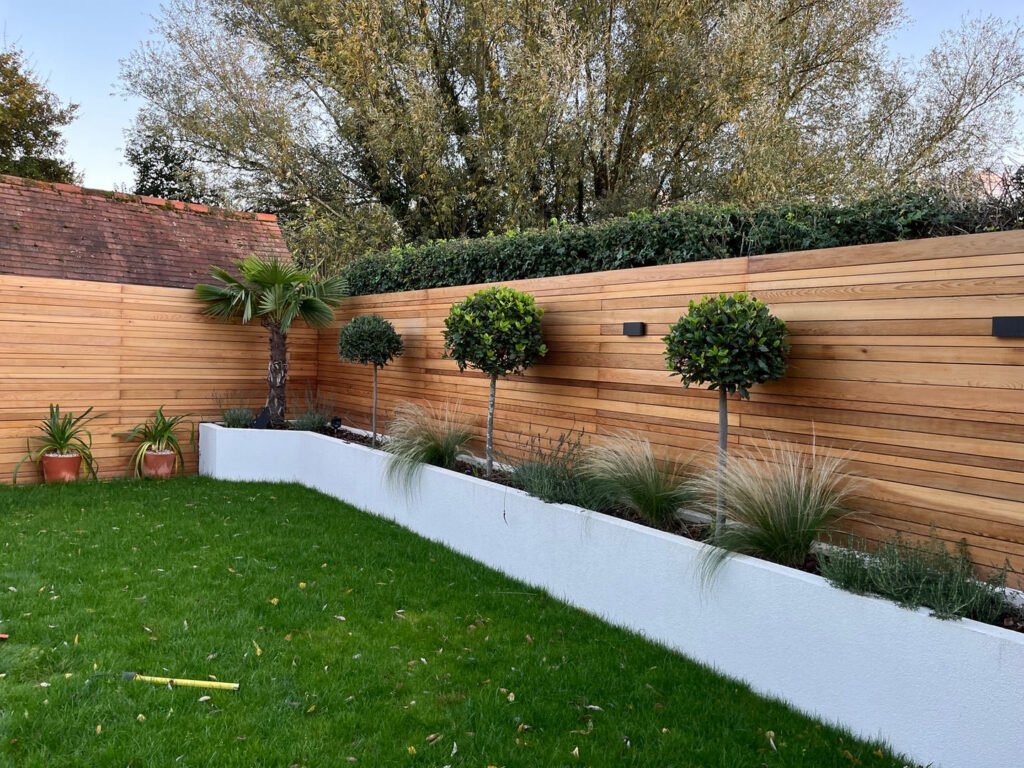
Introduction Natural gardening means planning and taking care of outdoor areas by letting nature take over instead of controlling it. It focuses on making gardens that look natural, needless upkeep, and help the local environment by using native plants, natural materials, and eco-friendly methods.Natural landscaping doesn’t use a lot of chemicals or well-kept fields like standard landscaping does. Instead, it lets plants grow in harmony with the land. The plant is now healthy, lasts longer, and looks great as the seasons change. This article talks about what natural gardening is, how it works, what its benefits are, what its main parts are, and how you can start your own natural landscape. What Does It Mean to “Naturally Landscape”? When you do natural gardening, you make a yard or other open place that works like nature does. Natural gardening doesn’t try to make plants grow in a certain way. Instead, it lets them grow based on the weather, dirt, sunshine, and rain.When you do natural gardening, your main goals are: That phrase can also be used to describe eco-friendly gardening, sustainable landscaping, or natural landscaping. Natural Landscaping’s Most Important Rules A few easy but important rules guide natural gardening. 1. Use Plants That Grow Naturally Native plants are ones that grow naturally in your area. Because they are used to the temperature and land where they live, they: One of the most important parts of natural gardening is using plants that grow naturally in the area. 2. Do Something With the Land Natural gardening uses the shape of the land as it is, rather than levelling it or changing the hills. This helps with: 3. Use Nature to Make Soil Better A natural setting starts with dirt that is healthy. To make the earth better, people use organic waste, mulch, and compost instead of chemical fertilisers. 4. Cut Down on Lawn Areas A big yard needs a lot of chemicals, water, and cleaning. When you use natural gardening, you get rid of your grass and replace it with: The Difference between Natural and Traditional Landscaping That’s why native gardening is becoming more popular: it helps people understand the difference. Non-native plants are often used in traditional landscaping. Both types can look nice, but natural gardening is more concerned with being long-lasting. Natural Landscaping Pros and Cons Benefits for the Environment Having natural scenery around also makes the air better and cools down cities. Costs and Pros Natural landscaping costs less in the long run than standard gardening. Lifestyle Pros and Cons Things That Are Often Used in Natural Landscaping Plants and things that fit in with their surroundings are used in natural gardening. Plants Things Used These parts make the garden look natural while still being useful. How to Begin Gardening in the Natural Way You can make small changes to your yard or start natural landscaping all at once. Step 1: Look Around Your Garden Pay attention to how the sun, water, and shade move around in your area. This helps you pick out the right plants. Step 2: Find Native Plants Find out about the plants that grow freely where you live. You can get help from nearby farms or gardening groups. Step 3: Make the Earth Healthier To do this, add fertiliser and other organic waste. Step 4: Fix Up the Lawn Areas Gradually cut down on the grass and put natural plants or weeds in its place. Step 5: Add Mulch Mulch keeps the soil wet, keeps weeds down, and makes the soil better overall. Is Natural Landscaping Easy to Take Care Of? Yes. Natural landscaping doesn’t need much upkeep once it’s set up.Some maintenance tasks are: Native plants take care of themselves because they are used to living where they are. If You Landscape Naturally, Does It Help Wildlife? Landscaping that is natural is great for wildlife. It gives you: Natural settings are very good for pollinators like bees and butterflies. Does Natural Landscaping Raise the Value of a Home? Yes. Adding natural gardening to your home can raise its value by: Many buyers now want plants that are healthy and don’t need much care. Common Mistakes in Natural Landscaping When you first start natural landscaping, don’t do these things: It takes time for natural gardening to grow and get better. Can Natural Landscaping Work for Small Gardens? Yes. When you have a small area, natural gardening works well. Even small grounds can have these things: Natural gardening is not limited by size. FAQs What Does “Natural Landscaping” Mean in Everyday Language? Natural landscaping is a type of gardening that uses local plants and natural ways to make open areas that are good for the environment. Does Natural Planting Mean the Same Thing as Wild Gardening? They are alike, but nature gardening is better organised and planned. Do Plants That Grow Naturally Save Water? Yes. Native plants don’t need as much water as regular fields. How Much Does Natural Gardening Cost? Not at all. It often costs less in the long run because it doesn’t need much upkeep. Does Natural Landscaping Look Nice? Yes. It looks clean and balanced when it’s made right. Do Pesticides Need to Be Used in Natural Landscaping? Not at all. Chemical herbicides and fertilisers are usually not used in wild settings. Can People Who Are Just Starting Out Do Natural Landscaping? Yes. There are many easy steps in natural gardening. Is Gardening with Plants Good for the Environment? Yes. It helps habitats and cuts down on water use and waste. In Conclusion A smart, eco-friendly, and beautiful way to plan outdoor areas is with natural gardening. Natural gardening makes fields that are easy to care for and good for the environment by using local plants, naturally improving the soil, and working with the land.Natural gardening is a great way to save time, money, and resources while making a peaceful outdoor place that gets better each year. It doesn’t matter how big or small your yard is.Natural gardening is the best
What Is the Job of a Landscaper?
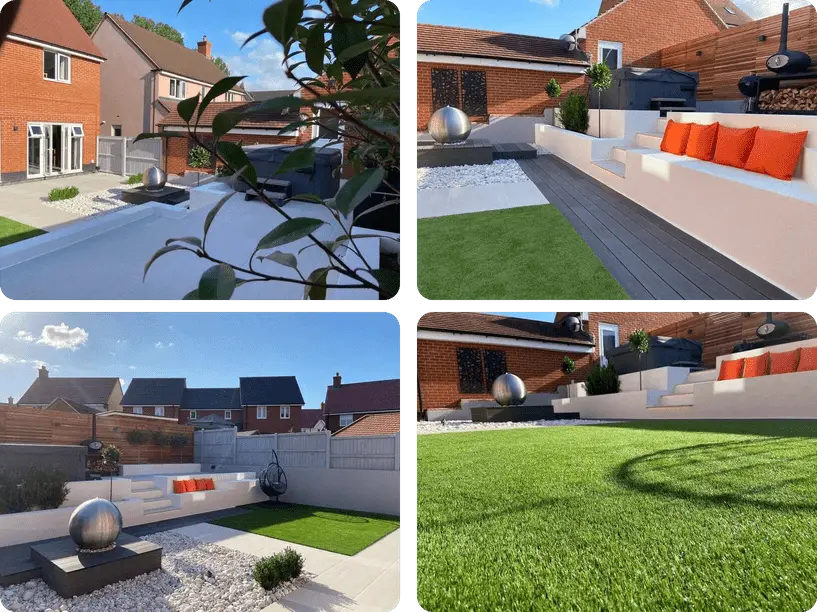
The job of a landscaper is to design, build, improve, and maintain outdoor spaces such as gardens, yards, parks, and commercial areas. Landscapers work with both plants and structures to make outdoor areas look beautiful, safe, and useful. A landscaper does much more than just cutting grass. Their work includes planning garden layouts, planting trees and flowers, building patios and paths, installing irrigation systems, and keeping outdoor spaces healthy and attractive all year. This article explains what landscapers do, what services they provide, the skills they need, and why their job is important. What Does a Landscaper Do? A landscaper is a professional who works on outdoor land areas. Their job includes both creative design and physical work. Main Responsibilities of a Landscaper Landscapers work on homes, offices, parks, hotels, schools, and public spaces. Types of Landscaping Work Landscaping is divided into different areas. A landscaper may specialize in one or handle many tasks. 1. Garden Design Landscapers plan how a garden will look and function. This includes choosing plants, layout, and materials. 2. Soft Landscaping This involves living elements: 3. Hard Landscaping This involves solid structures: 4. Garden Maintenance Regular care to keep gardens healthy: Daily Tasks of a Landscaper A landscaper’s daily job can change based on the season and project. Common Daily Duties Landscaping is active, hands-on work. Where Do Landscapers Work? Landscapers work in many places, including: They work outdoors in different weather conditions. Skills Needed to Be a Landscaper A good landscaper needs both physical and creative skills. Important Landscaping Skills Good communication with clients is also important. Why Is the Job of a Landscaper Important? Landscapers improve how outdoor spaces look and function. Benefits of Landscaping Work Well-maintained landscapes also improve mental well-being. Does a Landscaper Design Gardens? Yes. Many landscapers help design gardens, especially for homes and small projects. Larger designs may involve landscape designers or architects, but landscapers often help bring designs to life. Does Landscaping Add Value to Property? Yes. Landscaping can increase property value by 5% to 20%. Buyers are attracted to clean, organized, and well-designed outdoor spaces. Is Landscaping a Skilled Job? Yes. Landscaping requires knowledge, training, and experience. Understanding plants, soil, drainage, and construction takes time to learn. Tools Used by Landscapers Landscapers use many tools, such as: Proper tool use improves safety and efficiency. Can Landscaping Be a Career? Yes. Landscaping offers long-term career opportunities. Landscapers can: It is a growing industry due to demand for outdoor living spaces. Difference Between Landscaper and Gardener Many people confuse these roles. Landscaper Gardener Both roles are important. FAQs What is the main job of a landscaper? The main job of a landscaper is to design, build, and maintain outdoor spaces using plants and structures. What services do landscapers provide? Landscapers provide garden design, planting, lawn care, patio installation, drainage, and maintenance services. Is landscaping hard work? Yes. Landscaping involves physical labor, outdoor work, and the use of tools and machinery. Do landscapers need qualifications? Formal qualifications are helpful but not always required. Skills and experience are very important. What is the difference between landscaping and gardening? Landscaping includes design and construction, while gardening focuses on plant care and maintenance. Do landscapers work year-round? Yes, although tasks change by season. Winter often involves planning and maintenance. Can landscaping increase home value? Yes. Professional landscaping improves curb appeal and can increase property value. Is landscaping a good career choice? Yes. Landscaping offers steady work, creativity, and opportunities to grow a business. Do landscapers design gardens themselves? Many landscapers help design gardens, especially for residential projects. What tools do landscapers use? They use lawn mowers, trimmers, shovels, power tools, and irrigation equipment. Conclusion The job of a landscaper is to create and care for outdoor spaces that are beautiful, functional, and long-lasting. Landscapers combine creativity, physical work, and technical skills to transform land into enjoyable environments. From planting gardens to building patios, their work adds value, improves living spaces, and makes communities greener. Whether for homes or businesses, landscapers play an important role in shaping the outdoor world.
What Is Hard Landscaping?
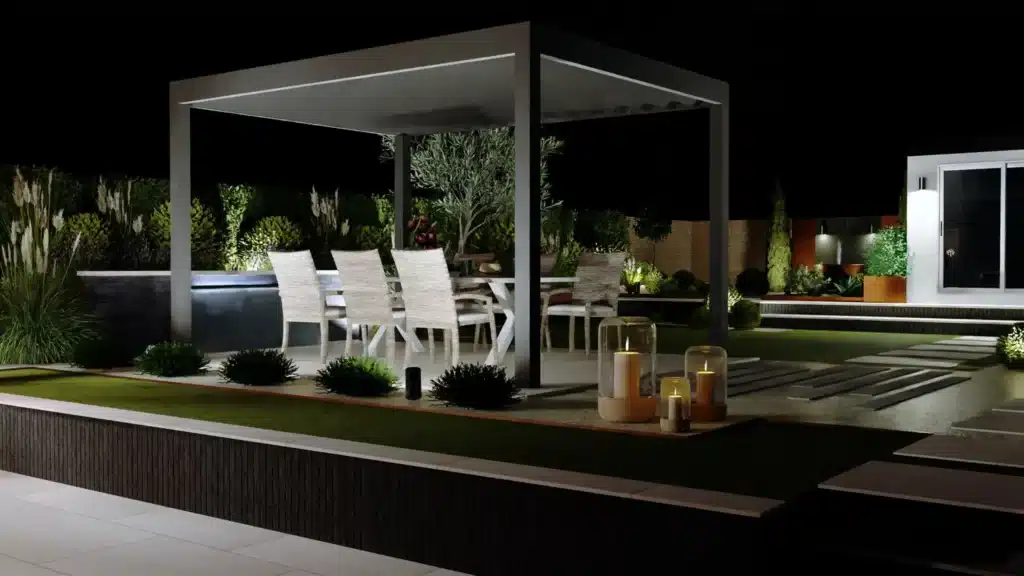
Hard landscaping is the part of garden and outdoor design that uses solid, non-living materials to shape and build outdoor spaces. It includes things like patios, paths, walls, steps, fences, decks, and driveways. These features give a garden its structure, layout, and strength. While plants and grass bring life and color, hard landscaping creates the foundation that holds everything together. Without hard landscaping, a garden can look messy, be hard to use, and suffer from drainage or erosion problems. In this guide, you’ll learn what hard landscaping is, why it matters, what it includes, and how it is different from soft landscaping. What Does Hard Landscaping Mean? Hard landscaping (also called hardscaping) means building outdoor features using materials that do not grow or change naturally. These materials stay in place for many years and give the garden shape and order. Hard landscaping focuses on: Examples include stone patios, concrete paths, brick walls, wooden decks, and gravel driveways. What Is Included in Hard Landscaping? Hard landscaping includes many outdoor construction elements. These features help define how a garden looks and how people move through it. Common Hard Landscaping Features Each feature has a purpose and improves how the garden works. Why Is Hard Landscaping Important? Hard landscaping plays a very important role in outdoor design. It is often done before planting because it creates the base of the garden. Key Benefits of Hard Landscaping A garden with good hard landscaping lasts longer and stays tidy. Hard Landscaping vs Soft Landscaping Many people confuse hard landscaping with soft landscaping, but they are different. Hard Landscaping Soft Landscaping Both are important, but hard landscaping comes first because it supports everything else. Materials Used in Hard Landscaping Different materials are used depending on the style, budget, and climate. Stone Concrete Brick Wood Gravel Choosing the right material improves durability and appearance. Types of Hard Landscaping Projects Hard landscaping can be small or large depending on your needs. Small Projects Medium Projects Large Projects All projects should start with a plan. When Should Hard Landscaping Be Done? Hard landscaping should always be done before planting. This is because: Once hard landscaping is finished, soft landscaping is added. Does Hard Landscaping Add Value to a Home? Yes. Hard landscaping can significantly increase property value. Why Buyers Like Hard Landscaping A well-designed hard landscape can increase home value by 5% to 20%, depending on quality and location. Is Hard Landscaping Expensive? Cost depends on: Ways to Reduce Cost Hard landscaping is an investment that lasts many years. Can You Do Hard Landscaping Yourself? Yes, many hard landscaping tasks are DIY-friendly. Good DIY Hard Landscaping Jobs However, complex projects like large retaining walls or drainage systems may need professionals. Common Hard Landscaping Mistakes Avoid these mistakes to ensure success: Good planning prevents expensive repairs later. Hard Landscaping Design Tips A balanced design always looks better. FAQs What is hard landscaping in simple words? Hard landscaping means building garden features using solid materials like stone, wood, or concrete. What is the difference between hard and soft landscaping? Hard landscaping uses non-living materials like patios and walls, while soft landscaping uses plants, grass, and trees. Is a patio hard landscaping? Yes. Patios are one of the most common hard landscaping features. Does hard landscaping include fencing? Yes. Fences, walls, and boundaries are part of hard landscaping. Should hard landscaping be done before planting? Yes. Hard landscaping should always be completed before soft landscaping. Is gravel considered hard landscaping? Yes. Gravel paths, driveways, and areas are hard landscaping elements. Does hard landscaping need maintenance? Yes, but much less than soft landscaping. Occasional cleaning and repairs are enough. Can hard landscaping increase home value? Yes. Well-planned hard landscaping can significantly increase property value. Is hard landscaping permanent? Most hard landscaping features are long-lasting, but some can be changed or upgraded later. Can beginners do hard landscaping? Yes. Many simple projects are suitable for beginners with basic tools. Conclusion Hard landscaping is the backbone of any well-designed garden. It uses solid materials to create structure, improve usability, control drainage, and add long-term value. From patios and paths to walls and decks, hard landscaping shapes how a garden looks and works. When combined with soft landscaping, it creates a balanced outdoor space that is beautiful, practical, and long-lasting. Whether you are planning a small DIY project or a full garden redesign, understanding hard landscaping is the first step to success.