
How to Grow a Garden: A Simple Step-by-Step Guide for Beginners
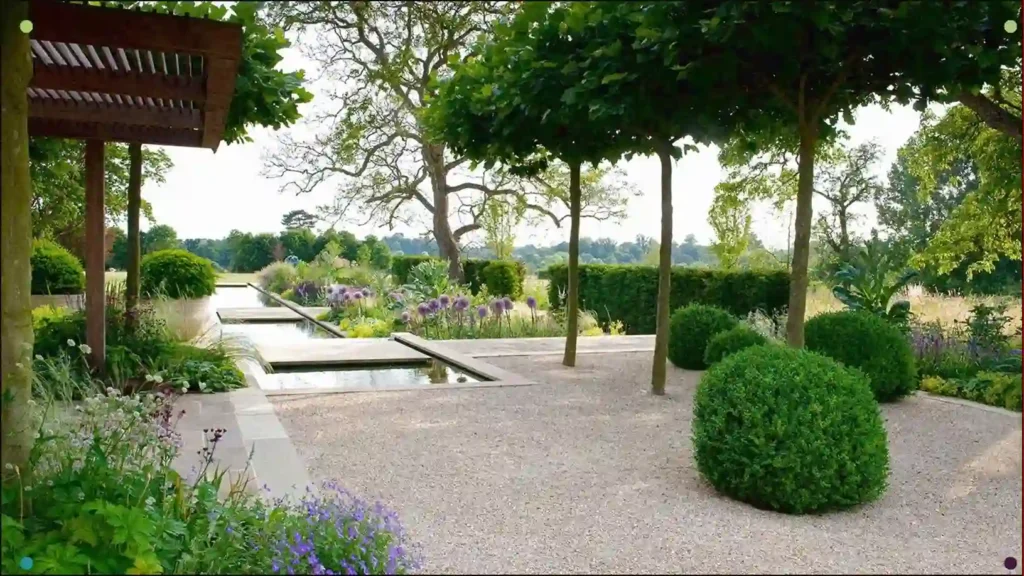
Growing a garden is one of the most relaxing and rewarding activities you can do. It brings beauty to your home, fresh air to your space, and even healthy food if you grow vegetables or herbs. Many people think gardening is hard, but it is actually simple when you follow the right steps. You do not need expensive tools or expert knowledge. You just need patience, care, and a basic plan. This guide will show you exactly how to grow a garden step by step in the easiest way possible. Why You Should Grow a Garden A garden is more than just plants. It improves your life in many ways: Even a small garden can make a big difference. Step 1 – Choose the Right Location The first step in growing a garden is choosing the right place. Look for an area that has: Sunlight is very important because most plants need it to grow healthy. Step 2 – Prepare the Soil Healthy soil is the foundation of a good garden. How to prepare soil Good soil helps plants grow faster and stronger. Step 3 – Choose What to Grow Decide what you want in your garden. You can grow: Easy plants for beginners: Start small so it is easier to manage. Step 4 – Planting Seeds or Seedlings Now it’s time to plant. Planting seeds Planting seedlings Do not plant too deep or too close together. Step 5 – Watering Your Garden Water is very important for plant growth. Simple watering tips Different plants need different amounts of water. Step 6 – Add Mulch for Protection Mulch is a layer of material placed on top of soil. It helps to: You can use: Step 7 – Take Care of Your Plants Plants need regular care to grow well. Basic care tips Healthy care leads to healthy growth. Step 8 – Use Natural Fertilizers Fertilizers help plants grow faster. You can use: Avoid too many chemicals because they can damage plants. Step 9 – Protect Your Garden Your garden needs protection from: Simple protection ideas Step 10 – Be Patient and Consistent Gardening takes time. Plants do not grow overnight. Be patient and: Consistency is the key to a successful garden. Common Mistakes to Avoid Avoid these common gardening mistakes: Fixing these early helps your garden grow better. Easy Garden Maintenance Routine A simple daily routine: Weekly routine: Benefits of Growing a Garden A home garden gives many benefits: FAQs About Growing a Garden Is gardening hard for beginners? No, gardening is easy if you start small and follow basic steps. How much sunlight do plants need? Most plants need at least 4–6 hours of sunlight daily. What is the best soil for a garden? Loose, rich soil mixed with compost is best for plant growth. How often should I water my garden? Usually once a day or when the soil feels dry. Can I grow a garden in a small space? Yes, you can grow plants in pots, containers, or small areas. Conclusion Growing a garden is a simple and enjoyable activity that anyone can start. You do not need special skills or expensive tools. You only need care, patience, and consistency. Start small, learn step by step, and enjoy the process. Over time, your garden will grow into a beautiful and peaceful space that you can be proud of.
How to Build a Stepped Garden: A Simple Step-by-Step Guide
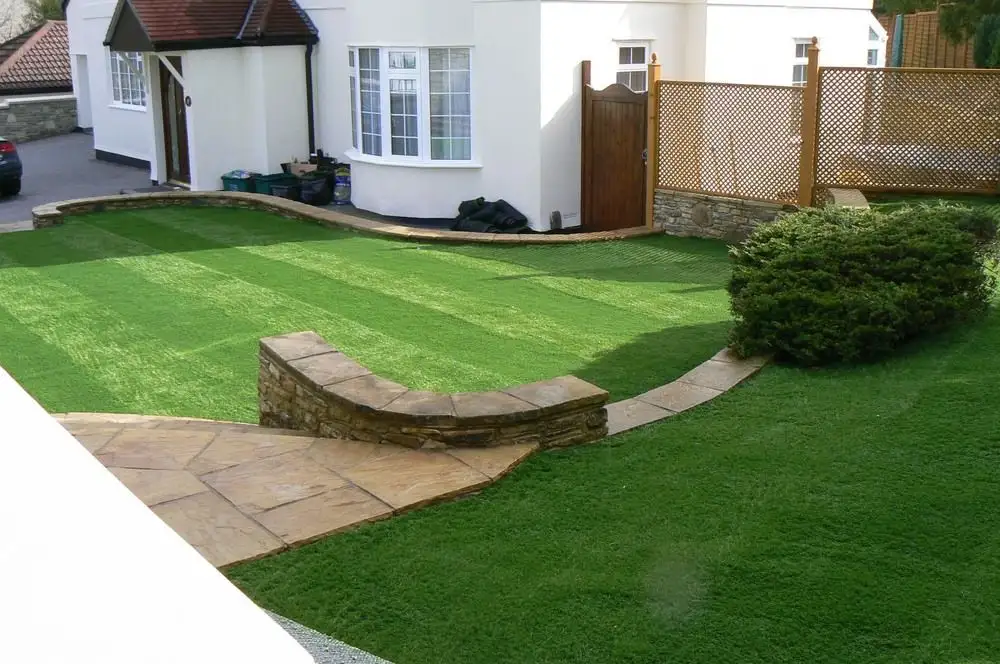
A stepped garden is a beautiful way to turn a sloped or uneven outdoor space into a stylish and useful garden. Instead of fighting against a hill or slope, you work with it. By creating levels or “steps,” you can make your garden more organized, attractive, and easier to maintain. This guide will show you how to build a stepped garden in simple steps that anyone can follow, even if you are new to gardening or landscaping. What Is a Stepped Garden? A stepped garden is a garden design that uses different levels on a slope. These levels are supported by small walls or edges, creating flat spaces where you can plant flowers, vegetables, or grass. Each level looks like a “step,” which is why it is called a stepped garden. Why Build a Stepped Garden? A stepped garden is useful for many reasons: It also adds beauty and structure to your outdoor area. Planning Your Stepped Garden Before you start building, planning is very important. 1. Study Your Garden Area Look at: This helps you understand how many steps you can build. 2. Decide the Number of Levels Most stepped gardens have 2 to 5 levels depending on the slope. 3. Choose a Design Style You can choose different styles like: Pick a style that matches your home garden. Materials You Will Need To build a stepped garden, you may need: Step-by-Step Guide to Build a Stepped Garden Step 1: Mark the Garden Layout Use string or chalk to mark where each level will go. This helps you see how the garden will look before you start digging. Step 2: Clear the Area Remove: Make the space clean and ready for work. Step 3: Start Leveling the Ground Begin shaping the first step at the bottom of the slope. Make a flat surface where soil can sit properly. Work slowly and check that each level is even. Step 4: Build Retaining Edges Each level needs support so soil does not slide. You can use: These act as small walls between each step. Step 5: Add Soil to Each Level Fill each section with good-quality soil. Mix compost to make it rich and healthy for plants. Press the soil lightly so it stays in place. Step 6: Improve Drainage Good drainage is very important in a stepped garden. Step 7: Start Planting Now the fun part begins. You can plant: Place taller plants at the back and smaller ones at the front. Step 8: Add Finishing Touches Make your garden more beautiful by adding: Best Plants for a Stepped Garden Here are some good plant choices: Choose plants based on sunlight and soil type. Design Tips for a Beautiful Stepped Garden Common Mistakes to Avoid Avoid these mistakes: Fixing these early saves time and effort later. Maintenance Tips for Stepped Gardens To keep your garden healthy: Benefits of a Stepped Garden A stepped garden gives you: FAQs About Building a Stepped Garden Is a stepped garden hard to build? No, it is simple if you follow step-by-step planning and take your time. What is the best material for retaining walls? Stone and brick are strong and long-lasting options. Can I build a stepped garden on a small slope? Yes, even small slopes can be turned into 2–3 level gardens. What plants grow best in stepped gardens? Flowers, herbs, and small shrubs work very well. How long does it take to build a stepped garden? It depends on size, but usually a few days to a couple of weeks. Conclusion A stepped garden is a smart way to turn uneven land into a beautiful and useful space. With proper planning, simple materials, and a clear step-by-step process, anyone can create a garden that looks natural and well-designed. Take your time, build each level carefully, and choose the right plants. The result will be a garden that is both practical and beautiful for many years.
What Is a Garden Room? A Complete Guide for Homeowners
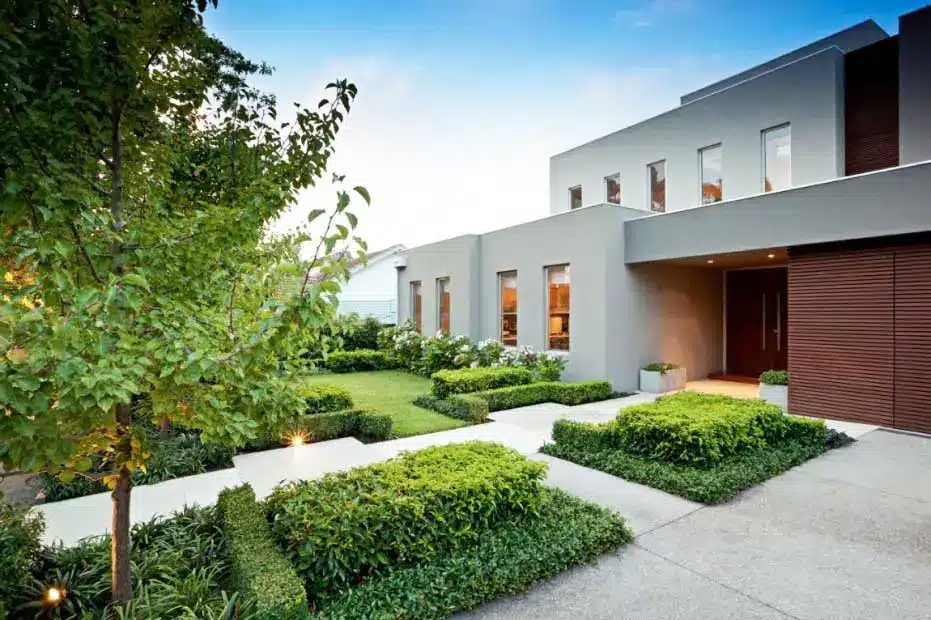
A garden room is a separate outdoor structure built within your garden to create extra living space without changing the main house. It is designed as a comfortable, insulated, and functional room that can be used throughout the year. Many homeowners add garden rooms to enjoy private workspaces, relax, entertain guests, or create a dedicated hobby area. Garden rooms have become popular because they are cost-effective, stylish, and quick to build compared to traditional home extensions. This guide explains what a garden room is, how it works, its uses, benefits, and what to consider before adding one to your outdoor space. Definition of a Garden Room A garden room is a standalone building placed in your outdoor space. It is fully insulated, has strong walls, flooring, and glazing, and can be used as an extension of your home. Unlike a shed or summerhouse, a garden room is built with higher standards and designed for year-round use. Most garden rooms look modern, feature large windows, and are built to match the style of the home and the surrounding landscape. What Makes a Garden Room Different? Not all outdoor buildings are garden rooms. Here is what sets them apart: Full Insulation Garden rooms are insulated in the walls, roof, and floor, allowing comfortable use in every season. Strong Construction They are usually built using timber frames, composite panels, or high-quality cladding, similar to home construction standards. Multi-Purpose Design A garden room can be used for work, leisure, hobbies, and more due to its durability and comfort. Large Windows and Natural Light Most designs include wide glass doors or floor-to-ceiling windows to create a bright and open look. Permanent Yet Separate From the House It functions like an extra room but remains separate from the main property for privacy and flexibility. Popular Uses for a Garden Room Garden rooms can be designed to fit nearly any purpose. Here are some of the most common uses: 1. Home Office With the rise of remote working, garden rooms are often built as private home offices. They provide: A separate work area helps you stay focused without distractions from the main house. 2. Garden Gym Many people turn their garden room into a personal gym. It saves time and gives you privacy for workouts. A garden gym can include: The insulation helps keep the space comfortable for all types of workouts. 3. Relaxation or Reading Room Some homeowners use garden rooms as peaceful hideaways. With comfortable seating, warm lighting, and soft décor, it becomes a calm space to unwind. 4. Entertainment and Social Space Garden rooms make great entertainment spots. They can be used as: It creates a private space for gatherings or weekend relaxation. 5. Art Studio or Hobby Room A garden room is perfect for creative activities like painting, crafting, photography, and jewellery making. The natural light and quiet atmosphere help support creative work. 6. Garden Room for Business Use Many people use garden rooms to run small businesses. Common uses include: It provides a dedicated workspace without renting commercial property. Benefits of Adding a Garden Room A garden room offers a wide range of advantages for homeowners. 1. Extra Space Without Extending Your Home Instead of long construction work, planning permission, and high costs, a garden room offers quick and simple extra space. 2. Adds Value to Your Property A well-built garden room increases your home’s market value because it adds usable living space, which buyers appreciate. 3. Flexible and Multi-Purpose You can change the purpose of the garden room anytime. Today it may be an office; tomorrow it can be a gym or guest room. 4. Private and Separate From the House The separation gives you a peaceful place to focus, relax, or enjoy hobbies without interruptions. 5. Quick Installation Most garden rooms can be built in a short time compared to traditional extensions, depending on size and design. 6. Energy Efficient With proper insulation and modern building materials, a garden room stays warm in winter and cool in summer. Key Features of a High-Quality Garden Room Before installing one, it is important to know what makes a garden room durable and long-lasting. Strong Foundations A level base such as concrete, timber frame, or ground screws supports the structure. Insulated Walls and Roof Quality insulation ensures comfort and energy efficiency. Weather-Resistant Cladding Materials like timber, composite panels, and metal cladding provide durability against outdoor conditions. Double-Glazed Windows For comfort, light control, and reduced noise. Ventilation and Heating Options Helps maintain air quality and consistent temperature. Electrical Points and Lighting Most garden rooms include sockets, lighting, and connection options for internet or heating. Garden Room Materials Different materials can be used depending on the style and budget: Timber Warm appearance, natural look, and popular for classic garden rooms. Composite Cladding Low maintenance and long-lasting modern finish. uPVC or Aluminium Windows Strong weather resistance and clean style. Metal Roofing Durable, lightweight, and weather-proof. Each material affects cost, appearance, and longevity. Do Garden Rooms Need Permission? Most garden rooms fall under permitted development rules, as long as they meet size and height limits. However, this may vary depending on design and placement. Always check local guidelines before installation. How to Choose the Right Garden Room When planning a garden room, consider the following: Purpose of the Room Decide whether it will be used for work, leisure, fitness, or guests. Size and Layout Choose a size that suits your garden without overpowering the space. Location Place the room where you get good light and easy access. Style and Design Match it with your home’s look for a balanced outdoor appearance. Budget Garden rooms come in many price ranges, depending on features and build quality. Conclusion A garden room is a versatile outdoor structure designed to provide comfortable, insulated, and functional living space separate from the main house. It can be used as an office, gym, studio, entertainment room, or peaceful retreat. With quick installation, flexible uses, and added property value, garden rooms have become a
What Is a Botanical Garden? A Complete Guide
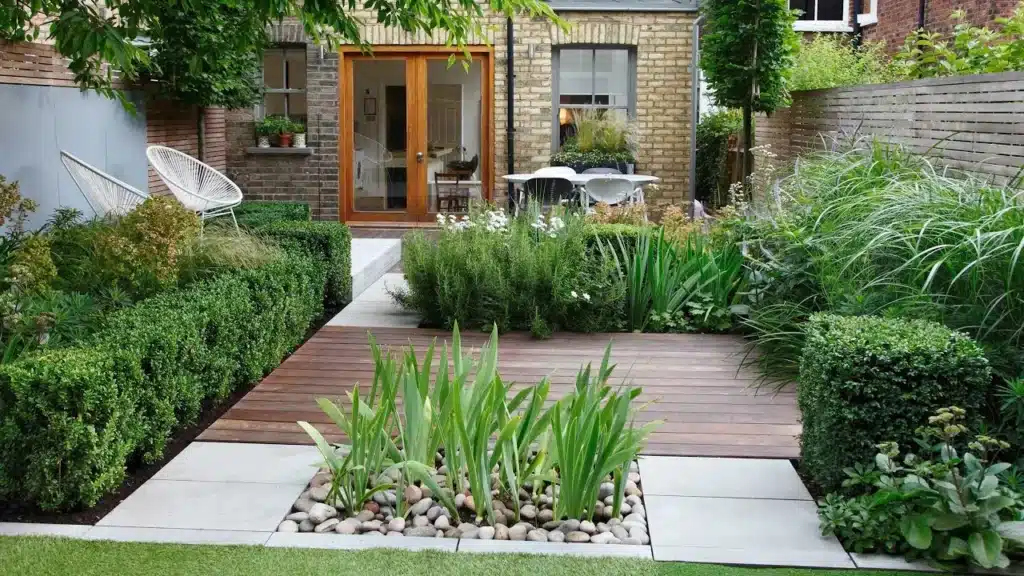
A botanical garden is a dedicated outdoor space where plants are grown, studied, protected, and displayed for visitors. These gardens are carefully planned and managed to support plant research, conservation, learning, and public enjoyment. Unlike regular public parks, botanical gardens focus on plant collections, education, and scientific knowledge, making them valuable for both visitors and researchers. This guide explains what a botanical garden is, its purpose, features, benefits, and what you can expect when visiting one. Definition of a Botanical Garden A botanical garden is a managed garden that holds documented plant collections for research, education, conservation, and public display. Every plant in the garden is usually labelled with its scientific name, origin, and details about its characteristics. These gardens preserve plant species from different regions and climates, providing a safe and controlled environment for learning and studying. Purpose of a Botanical Garden Botanical gardens play a major role in plant protection and public education. Their purpose goes beyond simply displaying plants. Plant Conservation Many plant species are endangered because of climate change, habitat loss, and human activities. Botanical gardens help protect these plants by growing them in controlled environments. Research and Study Botanical gardens support scientists, students, and researchers by offering access to rare plant collections and natural resources. They study plant health, climate impact, soil behaviour, and growth patterns. Education for Visitors Most botanical gardens offer learning programs, workshops, guided tours, and plant information boards to help visitors understand plant life in a simple way. Recreation and Relaxation These gardens offer peaceful walking paths, outdoor seating areas, and scenic views, making them perfect for families, tourists, photographers, and nature lovers. Key Features of a Botanical Garden Each botanical garden has unique elements, but most share common features that make them special. 1. Plant Collections from Around the World Botanical gardens usually display plants from various climates, including: These collections help visitors learn about plant diversity and global environments. 2. Greenhouses and Glasshouses Greenhouses allow botanical gardens to grow plants that would not survive outdoors in the local climate. These controlled environments maintain humidity, temperature, and sunlight for delicate species. Benefits of Greenhouses 3. Themed Sections and Garden Zones Botanical gardens are often divided into themed areas, each showcasing a unique type of plant or habitat. Common themes include: These sections help visitors understand how plants grow in different settings. 4. Walking Trails and Pathways Well-designed walking paths guide visitors through plant displays, ponds, natural landscapes, and open green spaces. These paths make it easy for people of all ages to explore. 5. Educational Centres and Visitor Facilities Many botanical gardens include: These facilities improve the visitor experience and support learning programs. 6. Ponds, Lakes, and Water Features Water areas create beautiful scenery and support aquatic plants, fish, and wildlife. Water lilies, reeds, and wetland species are often displayed in these sections. Why Botanical Gardens Are Important Botanical gardens offer more than beauty; they provide environmental and social value. 1. Preserving Plant Life Botanical gardens act as safe spaces for rare plants that may disappear from their natural habitats. By growing these plants in protected areas, gardens help preserve their survival. 2. Supporting Biodiversity Plant diversity supports insect life, wildlife, and environmental balance. Botanical gardens help maintain healthy ecosystems by protecting a wide range of plant species. 3. Encouraging Public Awareness Visitors learn about plant care, environmental challenges, and sustainable living. This builds awareness about the importance of protecting the natural world. 4. Improving Mental and Physical Wellbeing Nature is known to reduce stress, improve mood, and encourage physical activity. Botanical gardens offer a calm space where people can walk, relax, and connect with nature. 5. Promoting Sustainable Practices Many botanical gardens teach visitors about: These lessons help people create better gardens at home. What to Expect When Visiting a Botanical Garden A visit to a botanical garden is both informative and enjoyable. Here is what you can typically expect: Plant Labels and Signboards Each plant is labelled with details such as its name, origin, and type. Guided Tours Some gardens offer guided walks led by experts who explain the plant collections. Seasonal Displays Botanical gardens change throughout the year, offering fresh colours and plant varieties each season. Family-Friendly Areas Many gardens include open lawns, picnic areas, and play zones. Photography Opportunities With flowers, landscapes, and water features, botanical gardens are excellent for photography. How Botanical Gardens Differ from Regular Parks Although both offer green spaces, botanical gardens and parks serve different purposes: Botanical Gardens Public Parks Who Manages Botanical Gardens? Botanical gardens can be managed by: Their combined knowledge ensures that every plant receives proper care and protection. Conclusion A botanical garden is a carefully managed place where plants are collected, protected, and displayed for learning and enjoyment. These gardens play a vital role in conservation, research, and public education while offering a peaceful space for visitors of all ages. From themed plant zones to greenhouses and walking trails, botanical gardens connect people with nature and help preserve plant life for the future.
How to Become a Gardener: Complete Step-by-Step Guide
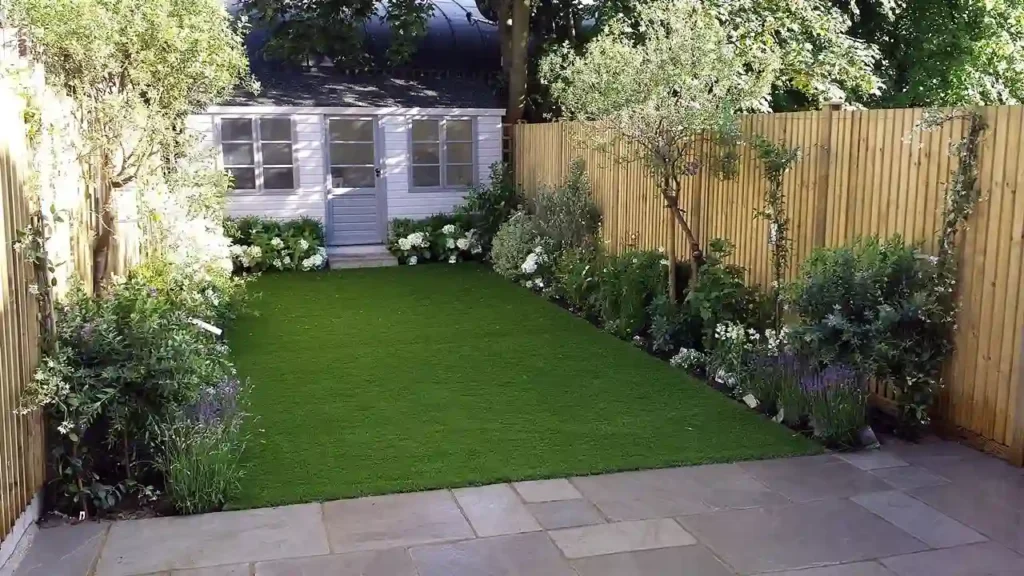
Gardening is one of the most rewarding careers for people who enjoy working outdoors, caring for plants, and improving natural spaces. Whether you want to work for a landscaping company, offer gardening services on your own, or simply build strong skills for a future career, the path to becoming a gardener is clear and achievable. This guide explains the skills you need, training options, tools, responsibilities, and practical steps you can follow to start your career in gardening. What Does a Gardener Do? A gardener is responsible for creating, maintaining, and improving outdoor spaces. The role can include planting, trimming, watering, lawn care, soil improvement, and general upkeep of gardens for homes, commercial properties, and public spaces. Common Gardening Duties A gardener may work independently or be part of a landscaping team, depending on personal preference and career goals. Skills You Need to Become a Gardener You do not need advanced qualifications to begin a gardening career, but certain skills make the job easier and more professional. Physical Fitness Gardening involves lifting, bending, digging, and outdoor tasks, so general physical fitness helps you work safely and comfortably. Plant Knowledge Understanding basic plant care, soil types, watering needs, and growth conditions helps you deliver better results. Attention to Detail Healthy gardens require precise care. A good gardener notices plant health issues early and solves them quickly. Problem-Solving Skills You may face issues such as pests, diseases, poor soil, or drainage problems. Knowing how to fix these makes you more reliable. Customer Service If you plan to offer gardening services, communication and customer satisfaction are just as important as the work itself. Training and Courses for Gardeners While gardening is a skill-based profession that can be learned through practice, training helps you build confidence, earn trust, and expand your opportunities. Formal Courses (Optional but Helpful) You can choose from short courses in: These courses give you structured knowledge and can help you stand out when applying for jobs. On-the-Job Learning Many gardeners learn by working as assistants or trainees. This gives real experience, teaches tools and techniques, and builds your portfolio. Online Learning There are many online tutorials and guides that teach plant care, pruning, soil improvement, and garden design basics. Tools You Need to Begin Your Gardening Journey A professional gardener uses essential tools to complete daily tasks efficiently. Basic Tools Advanced Tools (As You Grow) Investing in reliable tools helps you work faster and deliver better quality results. Steps to Become a Gardener Here are the clear steps you can follow to start your gardening career: 1. Learn the Basics of Gardening Start by understanding plant care, watering methods, pruning, soil types, and growing conditions. You can practise at home, volunteer in community gardens, or assist local gardeners to gain experience. 2. Build Practical Experience Hands-on experience is the most important part of becoming a gardener. Try working on: Experience helps you understand real challenges and develop confidence. 3. Develop Good Plant Knowledge Learn about common plants such as shrubs, perennials, seasonal flowers, herbs, and trees. Understanding how different plants grow helps you deliver better results for every client. 4. Take Short Gardening or Landscaping Courses Even a basic course improves your understanding of plant health, soil improvement, lawn care, and garden maintenance. It also shows clients you are serious about your career. 5. Create a Simple Portfolio of Your Work A portfolio helps you show your skills to clients or employers. You can include: A strong portfolio builds trust and helps you get more jobs. 6. Start With Small Gardening Jobs Begin with simple services such as: Small jobs help you build a client base and gain steady experience. 7. Offer Your Gardening Services Professionally If you want to work independently, create a clear list of services you offer. Many gardeners provide: You can list your services on your website or share them with clients near your area. 8. Keep Learning and Improving Gardening is a field where you learn something new every season. Stay updated with: Continuous learning helps you grow your career and attract more customers. Career Opportunities as a Gardener Once you gain experience, you can choose from different career paths: Garden Maintenance Specialist Focus on regular care for residential gardens. Landscaping Assistant Work with professional landscapers and learn advanced outdoor design. Plant Nursery Worker Grow, care for, and manage plants in a nursery environment. Independent Gardener Start your own gardening service and build long-term clients. Garden Designer (With Experience) Plan garden layouts, choose plants, and create outdoor concepts. Tips for Success as a Gardener To grow your gardening career, keep these tips in mind: Be Reliable Arrive on time, complete tasks professionally, and communicate clearly. Use Quality Tools Good tools help you work faster and deliver better results. Keep Gardens Clean and Safe Remove debris, manage waste properly, and ensure clean paths. Build Good Relationships Friendly and respectful communication helps you earn long-term clients. Stay Organised Schedule your jobs, manage tasks, and keep records of services. Conclusion Becoming a gardener is an achievable and fulfilling career path for anyone who enjoys working outdoors and caring for plants. With the right skills, practical training, and hands-on experience, you can start your journey confidently. Whether you choose to work independently or with a landscaping company, gardening offers steady work, creative opportunities, and a rewarding connection with nature.
Do It Yourself Garden Ideas: Simple Ways to Improve Your Outdoor Space
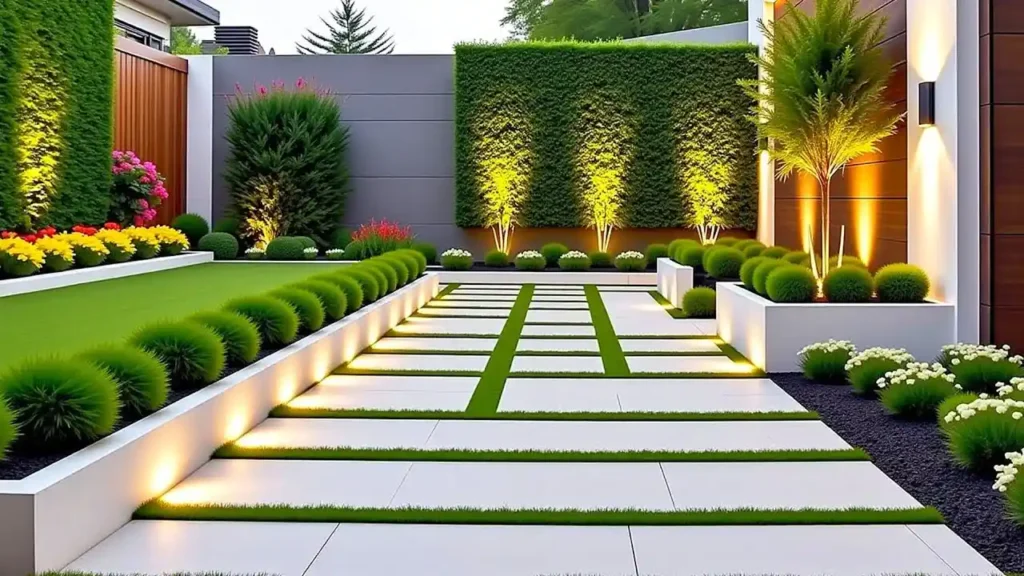
A beautiful garden does not always require big budgets or professional tools. With a few smart ideas and a little creativity, you can transform your outdoor space into a relaxing and attractive area. Whether you want to refresh your garden layout, add colour, or make your space more functional, there are many simple do it yourself garden ideas that anyone can try. Below you will find practical, budget-friendly, and beginner-friendly ideas that help you improve your garden step by step. Why Choose Do It Yourself Garden Ideas? DIY garden projects offer more than just savings. They give you full control over your design and allow you to add a personal touch to every part of your outdoor space. Cost-Effective Upgrades Doing the work yourself helps you reduce labour costs while still achieving a fresh and stylish look. Creative Freedom From layouts to details, you can choose colours, textures, and designs that match your preference and outdoor theme. Skill Building Every DIY project helps you learn new skills such as planting, organising, building, and maintenance. Best Do It Yourself Garden Ideas to Try Here are the most effective DIY garden ideas that bring real improvement to your outdoor space without major expenses. 1. Create a Simple Garden Pathway A garden pathway improves the appearance and structure of your outdoor area. You can design one using: This idea helps guide visitors through the garden and creates a neat and organised look. You can also add small lights along the path for a warm and welcoming feel. 2. Add Raised Garden Beds Raised beds are perfect for homeowners who want tidy planting areas. They are ideal for growing vegetables, herbs, and flowers. Benefits of Raised Beds You can build raised beds using wood, stone blocks, or even recycled materials. 3. Build a Small Seating Corner A seating corner changes your garden from just a visual space into a relaxing environment. You can add: This area becomes the perfect spot for morning tea, reading, or family gatherings. 4. DIY Vertical Garden for Small Spaces Vertical gardens are ideal for small gardens or patios. They allow you to grow plants upwards, saving ground space. Vertical Garden Ideas This helps you grow herbs, flowers, or decorative plants without needing a large area. 5. Use Decorative Stones for Borders Garden borders help separate planting areas from pathways or lawns. Decorative stones or bricks create a clean finish and improve the overall design. Benefits of Garden Borders 6. Create a Mini Water Feature A small water feature brings a calming atmosphere and improves outdoor ambience. You can build one with: Even a simple fountain bowl can add elegance to your garden. 7. Add Colour With Pots and Planters Using pots is one of the easiest do it yourself garden ideas. Try These Pot Ideas Mixing different shapes and colours adds personality and life to your garden. 8. Grow Herbs and Vegetables at Home Home-grown plants are not only useful but also add charm to your garden. Herbs like mint, basil, rosemary, and coriander are easy to grow. Benefits of Home Growing 9. Add Outdoor Lighting for a Warm Glow Lighting transforms your garden at night and makes it safer to walk through. Lighting Ideas These small touches create a cosy and inviting evening atmosphere. 10. Use Mulch for a Cleaner Garden Mulch is an easy and effective way to improve garden appearance and plant health. It helps: Choose wood chips, bark, or gravel for best results. Final Tips for a Successful DIY Garden Project To make your do it yourself garden ideas more effective, keep these important tips in mind: Plan Before You Start Measure your garden space, decide planting areas, and choose materials that suit your design style. Start With Small Projects Small upgrades create a big impact. Begin with pathways, pots, or borders, then move towards bigger additions. Maintain Your Garden Regularly Clean pathways, remove weeds, trim plants, and check soil health to keep your garden looking fresh all year. Conclusion Do it yourself garden ideas help you transform your outdoor space with little cost and simple effort. Whether you want a relaxing seating area, a neat pathway, colourful pots, or a smart vertical garden, these ideas offer practical and attractive results. With a little planning and creativity, you can create a garden that reflects your personality and adds value to your home.
What Is Landscaping?
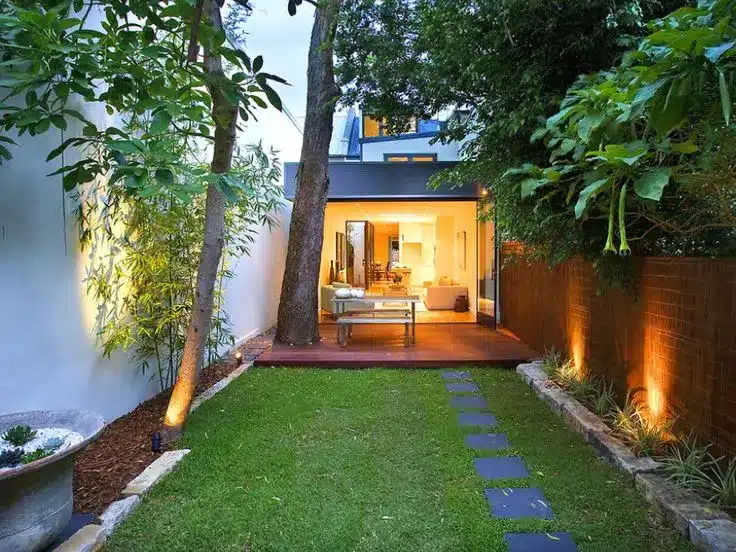
Landscaping means making an outdoor space look clean, neat, and beautiful. It includes planting trees, trimming bushes, cutting grass, adding flowers, building pathways, and keeping the garden in good shape. Many people use landscaping to make their homes look better and create a peaceful place to relax. Landscaping is not only about looks. It also helps the environment. Plants clean the air, reduce noise, and make a home feel more calm and fresh. A well-kept outdoor area can even increase the value of a property. Why Landscaping Is Important Landscaping has many benefits. Some are simple, and some help your home in the long run. Here are the most common reasons people choose landscaping: 1. It Makes Your Home Look Better A clean and healthy garden makes a strong first impression. Neat grass, bright flowers, and well-trimmed plants make any home stand out. 2. It Makes Outdoor Spaces More Useful Landscaping helps you create spaces where you can sit, play, relax, or enjoy fresh air. You can add patios, walkways, or small seating areas. 3. It Helps the Environment Plants improve the air, provide shade, and support small wildlife like birds and butterflies. Trees also help reduce heat in summer. 4. It Adds Value to Your Property A well-designed outdoor area can increase the overall value of your home. People prefer homes that look clean and welcoming. 5. It Makes Maintenance Easier Good landscaping makes it easier to take care of your garden. With the right layout, you spend less time fixing problems. Main Parts of Landscaping Landscaping includes different tasks and design ideas. Here are the major parts: 1. Soft Landscaping This includes everything related to plants and natural elements.Examples: Soft landscaping brings life and color to any outdoor space. 2. Hard Landscaping This includes all strong, built parts of the garden.Examples: Hard landscaping creates structure and makes the garden easy to use. 3. Garden Design Garden design means planning where plants, paths, and features should go. A good design makes the garden look balanced and easy to move around. 4. Outdoor Lighting Lights highlight plants, walkways, and seating areas. They also help you use the garden at night. 5. Water Features Some gardens include fountains, small ponds, or water bowls. These add sound and a calm feeling to the space. Common Landscaping Services If someone wants a better garden but does not know where to start, a landscaping company can help. Here are the main services they provide: 1. Lawn Care This includes: Healthy grass makes a garden look fresh and bright. 2. Hedge Trimming Trimming keeps hedges in shape. It also helps them grow well and look neat. 3. Tree Care Tree services include pruning, shaping, and safe removal. This keeps trees healthy and prevents risks. 4. Planting Services A landscaper can help choose the best plants for your climate, soil, and garden size. 5. Garden Makeovers This includes full redesigns, adding new features, or removing old ones. 6. Hard Landscaping Professionals can build: These structures make a garden more functional. 7. Seasonal Clean-Ups Many people need help cleaning the garden during spring or before winter. This includes removing leaves, trimming dead branches, and preparing plants. 8. Garden Maintenance Regular maintenance keeps the garden clean and healthy all year. This includes mowing, trimming, watering, and basic repairs. How Landscaping Works Landscaping usually follows simple steps. Here is how the process normally goes: Step 1: Understanding Your Needs A landscaper will ask what you want. Do you want a clean lawn? A new patio? A full garden makeover? A child-friendly area? A low-maintenance garden? Step 2: Garden Inspection The landscaper checks your garden space, soil, sunlight, and existing plants. This helps them create a plan. Step 3: Design and Planning A design is made to show where plants, paths, and features will go. The design is simple to understand and helps you picture the final look. Step 4: Work Begins The team starts planting, trimming, building, or cleaning. This part changes your garden step by step. Step 5: Final Touches The landscaper adds finishing details like mulch, edging, or lights. Step 6: Ongoing Care If you want, the landscaper can return regularly for maintenance. Why Homeowners Choose Landscaping Services Many homeowners prefer hiring professionals because: 1. They save time. A landscaper handles everything while you relax. 2. They know the right plants. They choose plants that grow well in your climate and soil. 3. They make the garden look balanced. Design is done in a way that looks clean and natural. 4. They use the right tools. This makes the work safe and fast. 5. They avoid costly mistakes. Wrong plants, wrong layout, or poor drainage can cause long-term problems. How Landscaping Helps Your Home Landscaping brings many long-term benefits: Better outdoor comfort You can enjoy dinners, gatherings, or quiet evenings outside. A healthier space Plants improve air quality and add natural beauty. More privacy Hedges, trees, and screens help block views from neighbors. Improved drainage Good landscaping reduces water pooling and soil problems. Tips for Maintaining Your Landscape If you want to keep your garden looking great, follow these simple tips: Small steps keep your outdoor area looking like new. Conclusion Landscaping is one of the best ways to make your home look clean, warm, and inviting. It improves your garden, adds beauty, and helps you enjoy your outdoor space. Whether you want a simple lawn cut or a full garden makeover, landscaping services can make your dream garden real. If you want a beautiful garden that is easy to maintain, hiring a professional landscaping service is a great choice.
What Is a Landscaper? A Simple Guide for Homeowners
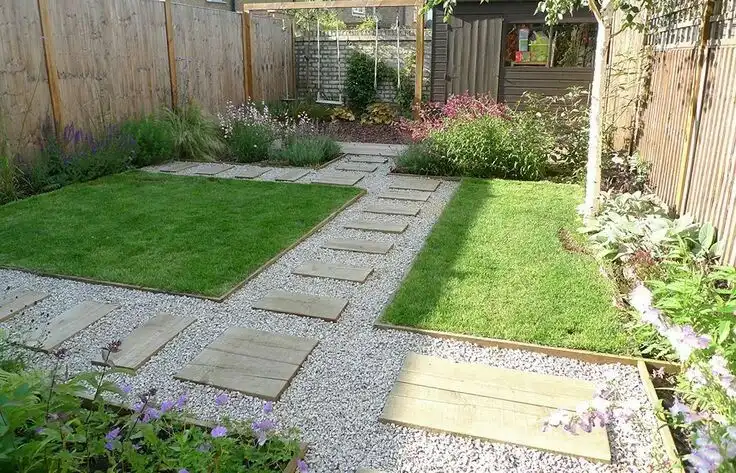
A landscaper is a trained person who works on outdoor spaces. They help shape, build, and care for gardens, lawns, and yards. A landscaper can make a garden look clean, healthy, and easy to use. Many people hire landscapers when they want their outdoor space to look better or work better for daily life. A landscaper is not only someone who cuts grass. They can design gardens, build patios, install fences, lay turf, plant flowers, and carry out full garden makeovers. They also take care of the garden all year through regular maintenance. If you want a garden that looks nice and feels comfortable, a landscaper can help you achieve that. Working with plants, soil, stone, and outdoor structures requires skill. Landscapers know how to use tools, choose the right materials, and build features that stay strong for a long time. That is why many homeowners prefer hiring a professional rather than doing everything by themselves. What Does a Landscaper Do? A landscaper can handle many tasks. Some people ask for a full garden design, while others only want monthly maintenance. Here are the main jobs a landscaper does: Landscape Design Design is the planning step. A landscaper creates a layout that fits your garden space. This may include: A good design helps the garden look balanced and easy to move around. Garden Landscaping Garden landscaping means building and shaping the outdoor space. This includes: This work helps the garden look clean, organised, and colourful. Hardscaping Hardscaping includes all non-plant features such as: Hardscaping gives strength, structure, and style to a garden. It also creates useful areas for sitting, cooking, or relaxing. Soft Landscaping Soft landscaping focuses on plants, soil, and natural elements. It includes: This keeps the garden healthy and full of life. Garden Maintenance Many homeowners hire landscapers for regular care. Maintenance helps keep the garden clean and neat. It includes: Regular maintenance keeps the outdoor space in good shape and prevents problems. Outdoor Improvements A landscaper can also add helpful outdoor upgrades such as: These improvements make the garden more enjoyable and easy to use for daily living. Why Should You Hire a Landscaper? Hiring a landscaper has many benefits. Here are the main reasons: Professional Quality Landscapers understand soil, plants, drainage, and materials. Their work is strong, clean, and long-lasting. They use the right tools and methods to avoid mistakes. Saves Time Gardening takes time. Many people have busy routines, so a landscaper helps handle the work faster and better. Increases Home Value A clean and well-designed garden can make your home more appealing. Outdoor spaces are important for many buyers, so good landscaping can raise property value. Safe and Healthy Garden Landscapers remove unsafe branches, fix broken paths, and clear overgrown areas. This makes the garden safe for children, pets, and elderly people. Better Use of Space A landscaper can turn empty or unused areas into: This makes the garden more useful for your daily life. Types of Landscapers There are different kinds of landscapers based on their skills. Landscape Designers They create the plan and layout for the garden. Hardscape Builders They build patios, walls, driveways, paths, and other strong structures. Softscape Experts They work with plants, turf, soil, and garden care. Maintenance Teams They handle weekly or monthly garden cleaning and care. Common Landscaping Services Homeowners Ask For Here are the most requested services: These services help keep outdoor spaces clean, safe, and beautiful. How to Choose the Right Landscaper Choosing the right landscaper is important. Here are simple steps: Check Experience A skilled landscaper knows how to solve garden problems and handle different types of projects. Look at Past Work Ask for pictures of past jobs. This helps you understand the quality of their work. Read Reviews Good reviews show trust and professionalism. Ask for a Quote A clear quote helps you understand the costs before work begins. Ask About Materials Good materials last longer and look better. Signs You Need a Landscaper You may need a landscaper if: A landscaper can fix these issues and make your outdoor space look new again. Simple Landscaping Tips for Homeowners Here are some helpful tips: These steps help keep your garden healthy and clean. FAQs About Landscapers Is a gardener the same as a landscaper? No. Gardeners mostly care for plants. Landscapers design, build, and maintain full outdoor spaces. Do landscapers work all year? Yes. Maintenance, fencing, patios, and many other jobs continue all year. How long does landscaping take? Small jobs take a few hours. Large projects may take days or weeks. Can a landscaper help with design? Yes. Many landscapers offer design services before building the garden. Conclusion A landscaper is a trained professional who designs, builds, and cares for outdoor areas. They help make gardens clean, safe, and beautiful. Whether you need a full garden makeover, turf laying, patio installation, or simple maintenance, a landscaper can help transform your outdoor space. A well-designed garden makes your home feel better and adds value. With the right landscaper, you can enjoy a garden that looks great all year.
How To Plan A Garden
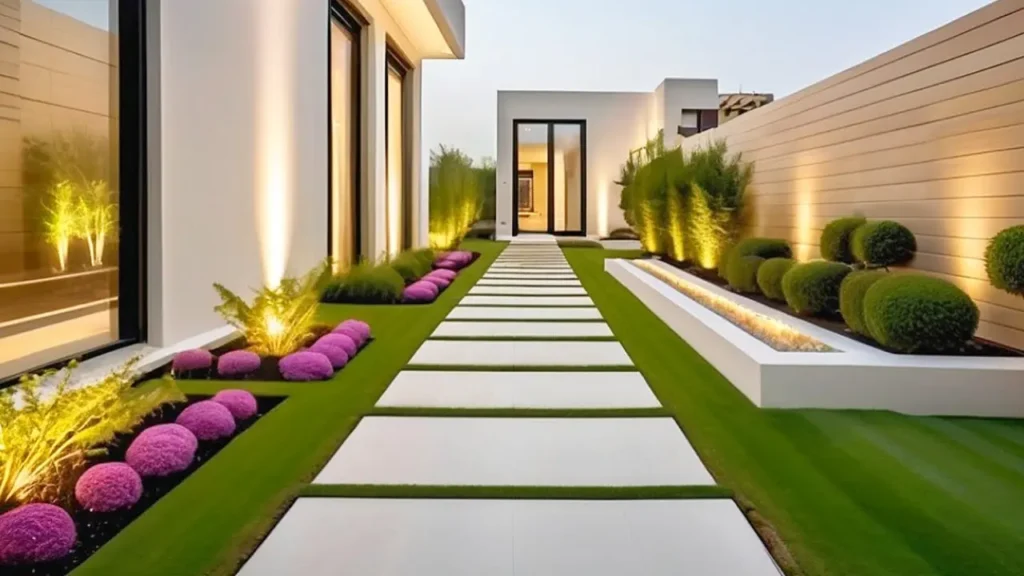
Designing a garden space is not about having beautiful flowers or a nice lawn. It must also be a space where you can relax or have fun with friends. Planning a garden can seem like a lot of work.. With a little thought anyone can design a space that is beautiful, functional and easy to take care of. In this guide you will find information about: What Garden Design Means Garden design is about deciding how your outdoor space should look, feel and function. It is about arranging plants, trees, seating areas and decorative elements so that everything looks nice together. A good garden design makes your garden look nice. Creates a peaceful space. Key Components of Garden Design A designed garden not makes your home look nice but also provides a peaceful space for relaxation and daily enjoyment. You can relax in your garden. Enjoy nature. How to Plan a Garden Layout Designing your garden layout is like creating a plan for your space. A clear plan ensures your garden looks organized and makes it easier to take care of. You should plan your garden layout carefully. Paths and Walkways Paths make it easy to move around the garden without damaging plants. You can use materials like gravel, stone or wood depending on the style you like. Paths help you navigate your garden. Seating and Relaxation Areas Adding a bench swing or patio creates spaces to sit, relax, read or have tea with friends and family. You can use your garden to spend time with ones. Focal Points Focal points are things that draw your eye like a tree, a fountain or a sculpture. They add interest and structure to the garden. Focal points make your garden more interesting. Plant Placement Put plants at the back and shorter ones in front for balance. Group plants with water and sunlight needs together to make it easier to take care of them. You should group plants with needs together. How to Choose Plants and Features Selecting the plants and features ensures your garden is healthy, attractive and enjoyable. You need to choose plants that’re easy to care for. Types of Plants Garden Features By choosing plants and features thoughtfully your garden becomes a space you love to spend time in every day. You should choose plants. Features that you love. Different Garden Styles Choosing a style ensures your garden looks nice and intentional. You can choose a garden style that matches your home and personality. Tips to Maintain a Healthy Garden Even a beautiful garden requires care to stay healthy and vibrant. You need to take care of your garden Professional Garden Assistance For gardens hiring a professional can save time and ensure the best results. A professional can help you design and maintain your garden. Benefits of Hiring Experts Create a layout optimized for your space. A professional can help you create a layout. Recommend plants and features suited to your climate. A professional can help you choose the plants and features. Assist with installation and ongoing maintenance. A professional can help you maintain your garden. Professional guidance ensures your garden stays low-maintenance. You can hire a professional to help you with your garden. Conclusion Designing a garden is a process. By planning the layout selecting the plants and features and taking care of the space carefully anyone can have a garden that’s stunning, relaxing and easy to care for. A planned garden makes your home look nice provides a retreat and creates a welcoming space, for family and friends to enjoy all year round. Your garden is a space where you can relax and enjoy nature. It is a space where you can spend time with your loved ones. So take the time to plan your garden carefully. You will be rewarded with an peaceful space.
What Services Does a Landscaping Company Offer?
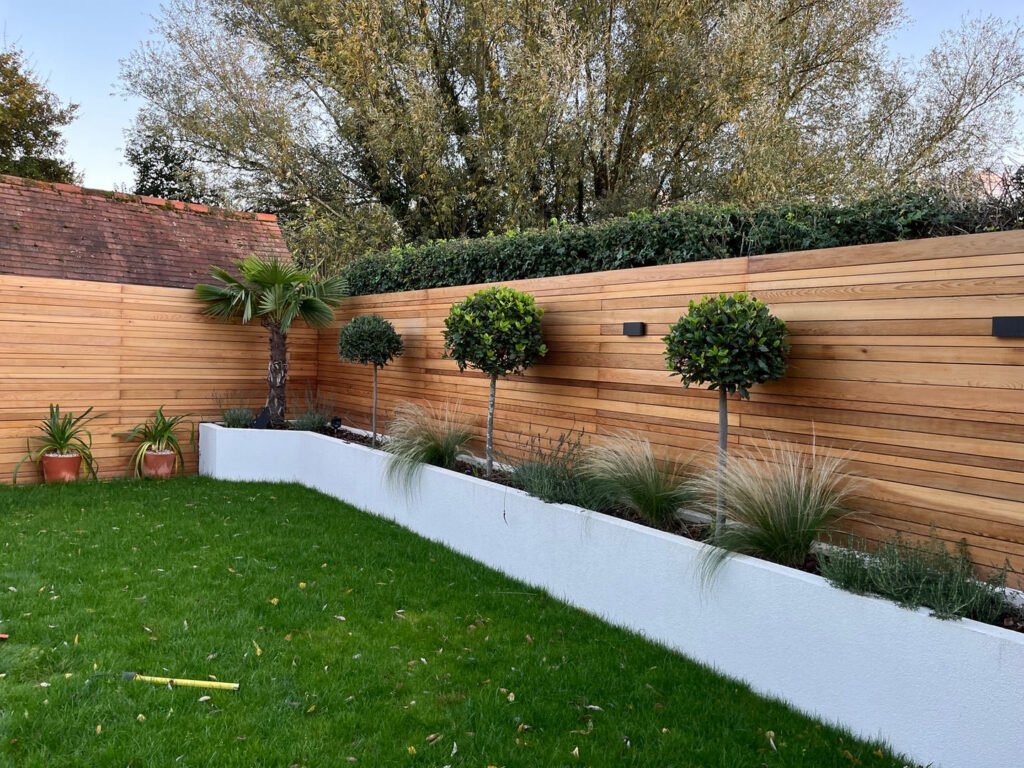
A landscaping company helps improve and transform outdoor spaces. This includes gardens, lawns, patios, driveways, and complete outdoor areas around residential and commercial properties. If you are planning to upgrade your garden or fix outdoor issues, understanding the full range of landscaping services can help you make the right decision. This guide explains everything clearly and simply. Garden Design Services Garden design is one of the core services provided by professional landscaping companies. What Is Garden Design? Garden design involves planning how your outdoor space will look and function. A professional landscaper assesses your garden’s size, soil condition, layout, and sunlight exposure before creating a structured design plan. A typical garden design may include: A well-planned garden design ensures your outdoor space is attractive, practical, and easy to maintain. Hard Landscaping Services Hard landscaping focuses on solid structures made from materials like stone, wood, brick, and concrete. These features form the foundation of your outdoor layout. Patio Installation Patios create functional outdoor living spaces for relaxing and entertaining. Landscaping companies install various patio types, including: A professionally installed patio enhances the appearance of your garden and increases usability. Driveway Installation Driveways improve accessibility and boost property appearance. Landscaping companies build driveways using: A durable driveway not only improves curb appeal but also adds long-term value. Decking Installation Decking is commonly made from timber or composite materials and is ideal for: Decking creates a warm and modern outdoor environment. Soft Landscaping Services Soft landscaping involves living elements such as grass, plants, flowers, and trees. Turfing and Lawn Installation A fresh lawn can completely transform a garden. Landscaping companies provide: A healthy lawn creates a clean and inviting outdoor space. Planting Services Professional landscapers carefully select and install plants that suit your soil type and local climate. Services include planting: Strategic planting enhances beauty, privacy, and biodiversity. Garden Maintenance Services Maintaining a garden requires time and regular care. Many landscaping companies offer ongoing maintenance services. Lawn Care Professional lawn care includes: Regular maintenance keeps your lawn green, healthy, and neat. Hedge Trimming Overgrown hedges can make a garden look untidy. Landscapers trim, shape, and maintain hedges to improve appearance and growth. Seasonal Garden Clean-Ups Seasonal services include: This keeps your outdoor space clean throughout the year. Fencing and Boundary Services Fencing enhances privacy, safety, and visual appeal. Landscaping companies install: Well-installed fencing protects your property while improving style. Garden Drainage Solutions Poor drainage can lead to muddy lawns, standing water, and damaged patios. Landscapers solve issues such as: Proper drainage systems help redirect excess water safely and prevent long-term damage. Outdoor Lighting Installation Outdoor lighting improves both safety and aesthetics. Common installations include: Lighting extends garden usability into the evening and enhances security. Water Feature Installation Water features add calmness and character to outdoor spaces. Popular options include: These features create a relaxing atmosphere and improve visual appeal. Irrigation System Installation Irrigation systems provide automatic watering solutions, especially useful for larger gardens. Benefits include: An efficient irrigation system supports long-term plant health. Commercial Landscaping Services Landscaping companies also provide services for businesses and commercial properties. Services may include: Professional commercial landscaping creates a strong first impression for customers and visitors. How to Choose the Right Landscaping Company Selecting the right landscaping company ensures quality results. Experience and Portfolio Choose a company with proven experience and completed projects that demonstrate skill and reliability. Transparent Pricing Request a detailed quotation to understand costs clearly and avoid hidden charges. Full-Service Capability Hiring a company that offers complete landscaping services saves time and ensures consistency. Why Hire a Professional Landscaping Company? While some homeowners attempt DIY landscaping, professionals provide key advantages: Professional landscaping can significantly enhance outdoor functionality and value. How Landscaping Improves Property Value A well-designed outdoor space: Homes with professionally landscaped gardens are often easier to sell and command better prices. Frequently Asked Questions What Is Included in Landscaping Services? Landscaping services typically include garden design, lawn installation, patios, decking, fencing, planting, maintenance, drainage systems, and outdoor lighting. How Much Do Landscaping Services Cost? Costs vary depending on garden size, materials used, and the complexity of the project. How Long Does a Landscaping Project Take? Small projects may take a few days, while full garden renovations can take several weeks. Conclusion A landscaping company offers a wide range of services designed to improve outdoor spaces. From garden design and turfing to patios, fencing, drainage, and maintenance, professional landscapers transform ordinary gardens into functional and attractive environments. If you are planning to upgrade your outdoor area, hiring an experienced landscaping company ensures quality results that last for years.