
Gardening is one of the most rewarding careers for people who enjoy working outdoors, caring for plants, and improving natural spaces. Whether you want to work for a landscaping company, offer gardening services on your own, or simply build strong skills for a future career, the path to becoming a gardener is clear and achievable.
This guide explains the skills you need, training options, tools, responsibilities, and practical steps you can follow to start your career in gardening.
What Does a Gardener Do?
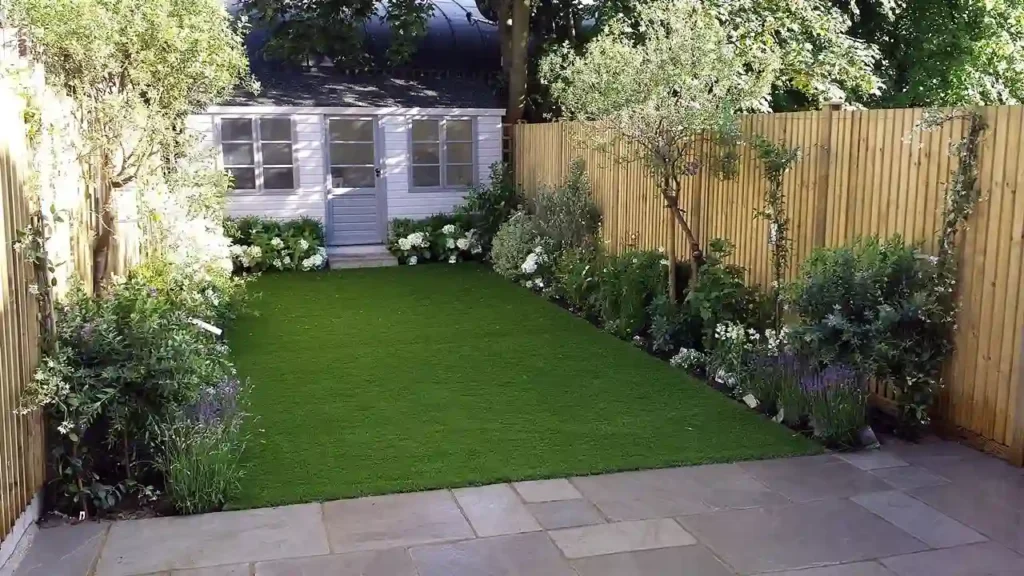
A gardener is responsible for creating, maintaining, and improving outdoor spaces. The role can include planting, trimming, watering, lawn care, soil improvement, and general upkeep of gardens for homes, commercial properties, and public spaces.
Common Gardening Duties
- Planting flowers, shrubs, and trees
- Lawn mowing and edging
- Weeding and pruning
- Soil preparation and composting
- Watering plants and installing watering systems
- Seasonal garden care
- Clearing leaves and maintaining pathways
A gardener may work independently or be part of a landscaping team, depending on personal preference and career goals.
Skills You Need to Become a Gardener
You do not need advanced qualifications to begin a gardening career, but certain skills make the job easier and more professional.
Physical Fitness
Gardening involves lifting, bending, digging, and outdoor tasks, so general physical fitness helps you work safely and comfortably.
Plant Knowledge
Understanding basic plant care, soil types, watering needs, and growth conditions helps you deliver better results.
Attention to Detail
Healthy gardens require precise care. A good gardener notices plant health issues early and solves them quickly.
Problem-Solving Skills
You may face issues such as pests, diseases, poor soil, or drainage problems. Knowing how to fix these makes you more reliable.
Customer Service
If you plan to offer gardening services, communication and customer satisfaction are just as important as the work itself.
Training and Courses for Gardeners
While gardening is a skill-based profession that can be learned through practice, training helps you build confidence, earn trust, and expand your opportunities.
Formal Courses (Optional but Helpful)
You can choose from short courses in:
- Horticulture
- Garden maintenance
- Landscaping
- Plant care
- Lawn and turf management
These courses give you structured knowledge and can help you stand out when applying for jobs.
On-the-Job Learning
Many gardeners learn by working as assistants or trainees. This gives real experience, teaches tools and techniques, and builds your portfolio.
Online Learning
There are many online tutorials and guides that teach plant care, pruning, soil improvement, and garden design basics.
Tools You Need to Begin Your Gardening Journey
A professional gardener uses essential tools to complete daily tasks efficiently.
Basic Tools
- Gloves
- Hand trowel
- Pruners
- Watering can
- Rake
- Hoe
Advanced Tools (As You Grow)
- Lawn mower
- Hedge trimmer
- Leaf blower
- Wheelbarrow
- Irrigation tools
Investing in reliable tools helps you work faster and deliver better quality results.
Steps to Become a Gardener
Here are the clear steps you can follow to start your gardening career:

1. Learn the Basics of Gardening
Start by understanding plant care, watering methods, pruning, soil types, and growing conditions. You can practise at home, volunteer in community gardens, or assist local gardeners to gain experience.
2. Build Practical Experience
Hands-on experience is the most important part of becoming a gardener. Try working on:
- Your own small garden
- Family or friend’s gardens
- Community or public spaces
- Local garden maintenance opportunities
Experience helps you understand real challenges and develop confidence.
3. Develop Good Plant Knowledge
Learn about common plants such as shrubs, perennials, seasonal flowers, herbs, and trees. Understanding how different plants grow helps you deliver better results for every client.
4. Take Short Gardening or Landscaping Courses
Even a basic course improves your understanding of plant health, soil improvement, lawn care, and garden maintenance. It also shows clients you are serious about your career.
5. Create a Simple Portfolio of Your Work
A portfolio helps you show your skills to clients or employers. You can include:
- Before and after photos
- Garden projects you worked on
- Designs or layout ideas
- Customer feedback (if any)
A strong portfolio builds trust and helps you get more jobs.
6. Start With Small Gardening Jobs
Begin with simple services such as:
- Lawn mowing
- Weeding
- Hedge trimming
- Planting
- Garden cleanups
Small jobs help you build a client base and gain steady experience.
7. Offer Your Gardening Services Professionally
If you want to work independently, create a clear list of services you offer. Many gardeners provide:
- Regular garden maintenance
- Seasonal cleanups
- Lawn care
- Planting and pruning
- Garden tidy-up
- Flower bed creation
You can list your services on your website or share them with clients near your area.
8. Keep Learning and Improving
Gardening is a field where you learn something new every season. Stay updated with:
- New garden trends
- Eco-friendly gardening techniques
- Pest and disease solutions
- Better tools and equipment
- Plant varieties and care tips
Continuous learning helps you grow your career and attract more customers.
Career Opportunities as a Gardener
Once you gain experience, you can choose from different career paths:
Garden Maintenance Specialist
Focus on regular care for residential gardens.
Landscaping Assistant
Work with professional landscapers and learn advanced outdoor design.
Plant Nursery Worker
Grow, care for, and manage plants in a nursery environment.
Independent Gardener
Start your own gardening service and build long-term clients.
Garden Designer (With Experience)
Plan garden layouts, choose plants, and create outdoor concepts.
Tips for Success as a Gardener
To grow your gardening career, keep these tips in mind:
Be Reliable
Arrive on time, complete tasks professionally, and communicate clearly.
Use Quality Tools
Good tools help you work faster and deliver better results.
Keep Gardens Clean and Safe
Remove debris, manage waste properly, and ensure clean paths.
Build Good Relationships
Friendly and respectful communication helps you earn long-term clients.
Stay Organised
Schedule your jobs, manage tasks, and keep records of services.
Conclusion
Becoming a gardener is an achievable and fulfilling career path for anyone who enjoys working outdoors and caring for plants. With the right skills, practical training, and hands-on experience, you can start your journey confidently. Whether you choose to work independently or with a landscaping company, gardening offers steady work, creative opportunities, and a rewarding connection with nature.