
A long narrow garden can feel tight, empty, or difficult to design. Many people struggle with layout because the space looks stretched or too linear. But with the right ideas, you can turn a narrow garden into a beautiful, inviting space that looks wider, balanced, and easy to enjoy.
This guide explains simple ways to divide a long narrow garden into sections. These steps help you create zones, add depth, improve privacy, and make your garden look more open and useful.
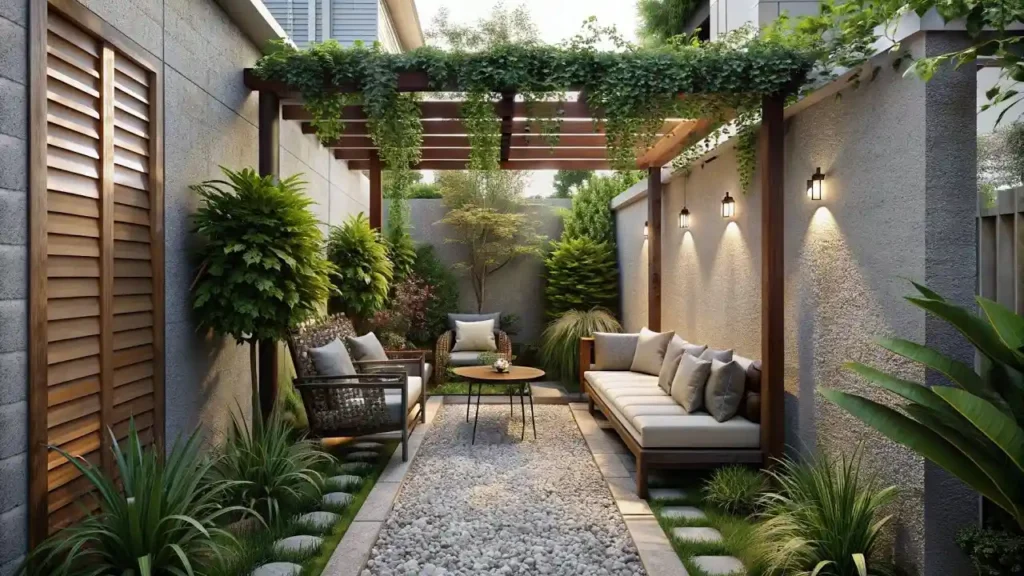
Why Divide a Long Narrow Garden?
Dividing a narrow garden helps change how the space feels. Instead of looking like one long path, it becomes a set of small, interesting areas.
Benefits of dividing your garden
- Makes the garden look wider
- Creates private spaces
- Adds structure and balance
- Helps control foot traffic
- Allows different uses (relaxing, dining, growing)
- Makes the space feel exciting and inviting
A divided garden feels more like an outdoor room than just a long strip of land.
Step 1 – Plan Your Garden Zones
Before you start designing, think about what you want from your garden.
Common zones you can create
- A seating or dining area
- A small lawn or play area
- A planting zone
- A quiet reading corner
- A kitchen garden for herbs and vegetables
Mark each zone on paper. This helps you understand the layout before changing anything.
Step 2 – Use Pathways to Break Up the Space
A path can completely change how a narrow garden looks. It directs movement and creates natural divisions.
Pathway ideas
- Curved paths to break straight lines
- Stepping stones
- Gravel paths
- Brick or slab paths
A winding path makes the garden feel wider and more interesting because the eye follows the curves instead of the length.
Step 3 – Add Small Garden Structures
Structures break up long lines and create separation between areas.
Simple structure ideas
- Arches
- Pergolas
- Trellises
- Low fences
- Decorative screens
- Timber dividers
You do not need large or heavy structures. Even a single arch or wooden screen can divide space beautifully.
Step 4 – Use Plants to Create Natural Dividers
Plants are one of the easiest and most attractive ways to divide a garden.
Ways plants can divide space
- Tall grasses for soft separation
- Small hedges along pathways
- Shrubs placed in key spots
- Flower beds to mark zones
Plants not only divide the garden but also add colour, texture, and movement.
Step 5 – Create Different Levels
Changing heights helps remove the “tunnel effect” that narrow gardens often have.
Level ideas
- Raised beds
- Steps
- Small terraces
- Slightly raised seating area
Even a small change in height can make your garden look wider and more dynamic.
Step 6 – Use Focal Points to Guide the Eye
A focal point gives direction and reduces the feeling of a long stretch.
Good focal points include
- A bench
- A water feature
- A sculpture
- A tree
- A planter box
Place focal points at angles or mid-points, not at the very end, to improve balance.
Step 7 – Add Seating Areas in Sections
Seating makes the space useful and breaks the length.
Seating ideas
- A small bistro set near the house
- A corner bench halfway down the garden
- A quiet chair in a shaded area
- A dining area at the back
Multiple small seating spots help divide the garden without closing it off completely.
Step 8 – Use Colour to Separate Zones
Colour can change how each area feels.
Try using
- Light colours in narrow areas to make them look wider
- Dark colours for cosy seating zones
- Bright flowers in entertainment areas
- Soft greens in private corners
Colour adds personality and helps each zone stand out.
Step 9 – Add Lighting to Highlight Different Areas
Lighting is a simple way to divide the garden at night and guide movement.
Lighting options
- Solar lights
- Deck lights
- Lanterns
- Fairy lights
- Spotlights on plants
Good lighting makes your garden look larger and more welcoming.
Step 10 – Use Horizontal Lines Instead of Vertical Lines
Vertical lines make narrow gardens look even narrower. Instead, use horizontal elements to widen the space.
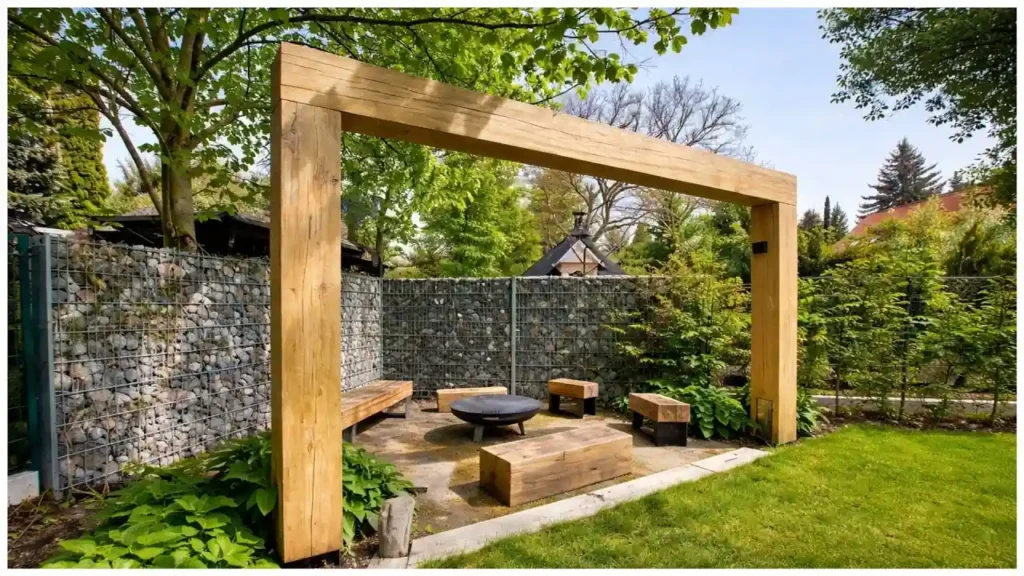
How to widen the look
- Use wide flower beds
- Choose horizontal timber fencing
- Lay paving stones horizontally
- Add wide planters rather than tall ones
This trick changes the way your eye sees the garden, making it feel broader.
Step 11 – Break the Garden into “Rooms”
Creating outdoor rooms is one of the best ways to divide a narrow garden.
Outdoor rooms can include
- A garden lounge
- A dining room area
- A growing area
- A chill-out corner
- A small wildlife spot
Use screens, planters, or low hedges to form each room.
Step 12 – Build Raised Beds for Structure
Raised beds add shape, height, and depth to narrow gardens.
Benefits of raised beds
- Define zones clearly
- Great for flowers or vegetables
- Add height variation
- Make the garden look organised
- Easy to maintain
They also help prevent soil erosion and keep pathways tidy.
Step 13 – Add Curves to Soften Straight Lines
Long narrow gardens often look too linear. Curves soften the space and make it feel wider.
Where to add curves
- In pathways
- In flower beds
- In lawn edges
- In seating areas
Curved lines add movement and create a natural flow.
Step 14 – Include Privacy Screens
Privacy screens help divide spaces while giving you a peaceful escape.
Good privacy screen options
- Wooden panels
- Lattice screens
- Tall plants
- Bamboo screens
- Decorative metal panels
These screens help turn each zone into a private mini-space.
Step 15 – Keep the Back of the Garden Simple
The back area should not feel crowded or heavy. A simple design at the end creates a sense of calm and balance.
Ideas for the back end of the garden
- A clean seating area
- A simple planter
- A small water feature
- A focal tree
A calm end point gives your garden a finished, tidy look.
Common Mistakes to Avoid
Avoid these mistakes when dividing a long narrow garden:
- Using too many tall fences
- Keeping everything in straight lines
- Placing all features at one end
- Overcrowding with plants
- Using only one colour or style
- Forgetting about pathways
Small adjustments can fix these issues easily.
FAQs About Dividing a Long Narrow Garden
How can I make a narrow garden look wider?
Use curves, horizontal lines, wide beds, and multiple zones to create the illusion of width.
What is the best way to divide a long garden?
Use screens, pathways, raised beds, and different levels to create separate areas.
Should I use tall fences in a narrow garden?
Avoid tall fences along both sides. Use softer elements like hedges or plants instead.
Can I have a lawn in a long narrow garden?
Yes. Keep the lawn small and shape it with curves for a wider look.
Do multiple seating areas help?
Yes. Several small seating spots break up the space and improve flow.
Conclusion
A long narrow garden does not have to feel tight or boring. With simple design ideas like pathways, zones, screens, plants, and curves, you can turn it into a beautiful, balanced garden full of character. The key is to break the space into smaller sections, add height changes, and use elements that guide the eye naturally.
With a little planning and creativity, your narrow garden can become one of the most beautiful spaces in your home.