
Designing a flower garden layout is one of the most enjoyable parts of gardening. A well-planned flower garden can make your home look beautiful, attract butterflies and bees, and create a peaceful outdoor space.
In the UK, garden design also needs to consider weather, soil type, and seasonal changes. This guide will help you design a simple, attractive, and easy-to-maintain flower garden layout step by step.
What Is a Flower Garden Layout?
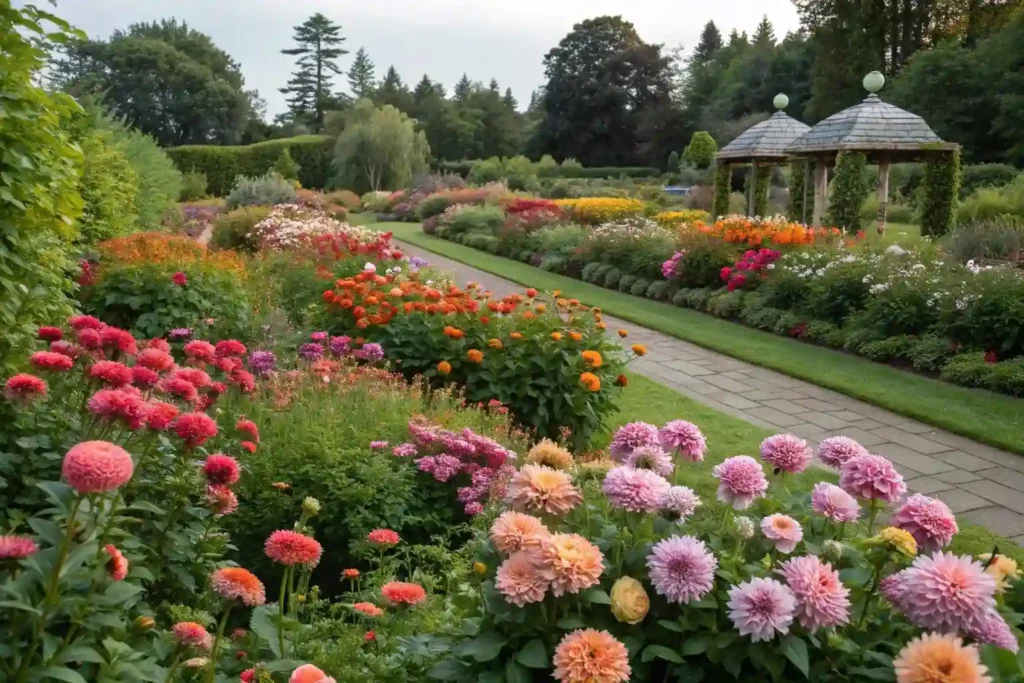
A flower garden layout is a planned design of how flowers, plants, and garden features are arranged in a space.
It includes:
- Plant placement
- Flower colors
- Pathways
- Borders and edges
- Garden shape and structure
A good layout makes your garden look balanced and easy to maintain.
Why Flower Garden Design Is Important
A proper garden layout helps you:
Improve Visual Beauty
A well-planned garden looks more organized and attractive.
Save Space
Even small gardens can look full and beautiful with smart planning.
Reduce Maintenance
Proper spacing makes it easier to water, trim, and care for plants.
Support Plant Growth
Plants grow better when they are placed in the right conditions.
Step 1: Understand Your Garden Space
Before designing, study your garden area carefully.
Check:
- Size of the space
- Sunlight areas (full sun or shade)
- Soil condition
- Drainage quality
- Wind exposure
In the UK, weather changes often, so understanding sunlight and drainage is very important.
Step 2: Choose a Garden Style
Different garden styles create different looks.
1. Formal Garden
- Symmetrical design
- Straight lines
- Neatly arranged flower beds
2. Informal Garden
- Natural and relaxed layout
- Curved flower beds
- Mixed flower types
3. Cottage Garden
- Colorful and dense planting
- Mix of flowers and shrubs
- Natural, wild look
4. Modern Garden
- Simple design
- Clean lines
- Limited plant types
Choose a style that matches your home and personal taste.
Step 3: Plan Your Flower Bed Shape
Flower beds are the main structure of your garden.
Common shapes include:
- Circular beds
- Rectangular beds
- Curved borders
- Island flower beds
In small gardens, curved or corner beds often work best.
Step 4: Select the Right Flowers
Choosing the right flowers is key to a successful garden.
Popular UK Flower Choices:
- Roses
- Lavender
- Tulips
- Daffodils
- Marigolds
- Petunias
- Hydrangeas
Tips for Selection:
- Mix seasonal flowers for year-round beauty
- Combine tall and short plants
- Choose low-maintenance flowers for beginners
- Use native plants for better survival
Step 5: Plan Flower Colors
Color planning makes your garden look more attractive.
Simple Color Ideas:
- Warm colors: red, orange, yellow (bright and energetic)
- Cool colors: blue, purple, white (calm and peaceful)
- Mixed colors: balanced and natural look
Avoid using too many colors in one small area. Keep it balanced.
Step 6: Arrange Plants by Height
Plant height plays a big role in garden design.
Basic Rule:
- Tall plants at the back
- Medium plants in the middle
- Small flowers at the front
This helps every plant get sunlight and keeps the garden visible and neat.
Step 7: Leave Proper Spacing
Plants need space to grow properly.
Too close = overcrowding
Too far = empty-looking garden
Spacing depends on plant type, but always:
- Follow planting instructions
- Allow room for growth
- Avoid blocking sunlight
Step 8: Add Garden Paths
Paths improve both beauty and function.
You can use:
- Stone paths
- Gravel paths
- Wooden walkways
- Grass paths
Paths help you walk through your garden without damaging flowers.
Step 9: Add Focal Points
A focal point is an area that attracts attention.
Examples include:
- Fountain
- Garden statue
- Large flower bed
- Decorative pot
- Small tree
A focal point gives structure to your garden design.
Step 10: Plan for All Seasons
UK weather changes throughout the year, so seasonal planning is important.
Spring:
- Tulips
- Daffodils
Summer:
- Roses
- Lavender
Autumn:
- Chrysanthemums
- Asters
Winter:
- Evergreen plants
- Winter pansies
A mix of seasonal plants keeps your garden colorful all year.
Step 11: Consider Maintenance Needs
Before finalizing your layout, think about maintenance.
Ask yourself:
- How often will I water the plants?
- Do I have time for pruning?
- Are the plants easy to care for?
Low-maintenance gardens are ideal for busy homeowners.
Step 12: Use Borders and Edges
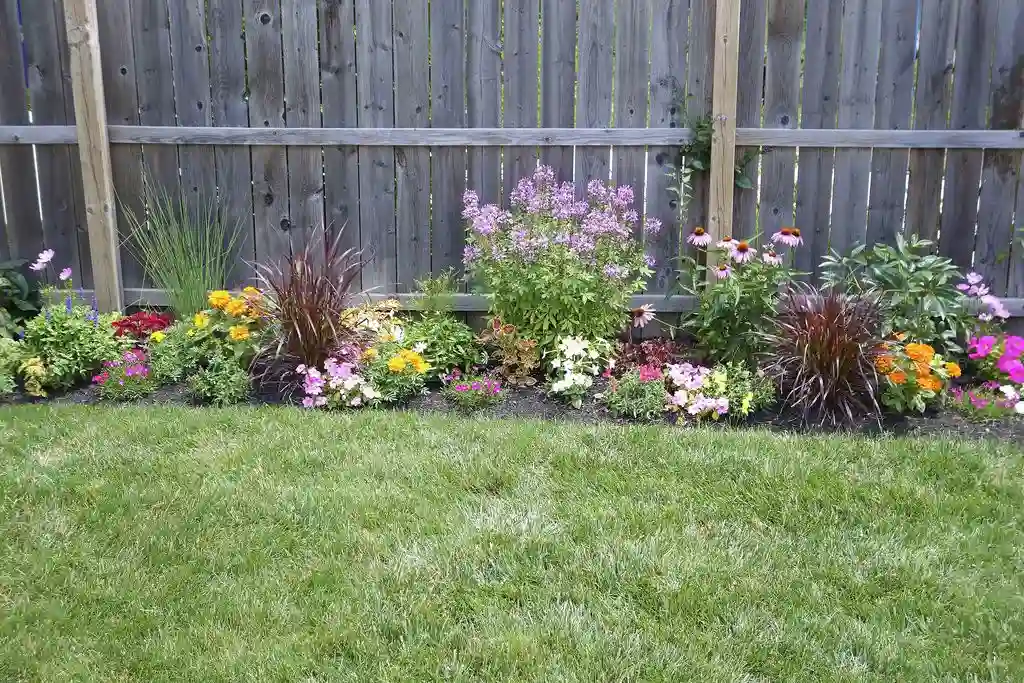
Borders help define your garden space.
You can use:
- Brick edges
- Wooden borders
- Stone edging
- Plant hedges
Borders keep your garden neat and structured.
Step 13: Add Soil and Fertilizer Planning
Healthy soil is the foundation of a good garden.
In the UK:
- Improve soil with compost
- Use mulch to retain moisture
- Add fertilizer for plant growth
Good soil ensures strong and healthy flowers.
Step 14: Test Your Layout Before Planting
Before planting everything:
- Draw your garden plan on paper
- Use markers or strings to mark areas
- Adjust spacing if needed
Planning first helps avoid mistakes later.
Common Mistakes to Avoid
Many beginners make simple mistakes:
- Planting too close together
- Ignoring sunlight needs
- Using too many colors
- Not planning for growth
- Forgetting seasonal changes
Avoiding these mistakes leads to a better garden.
Benefits of a Well-Designed Flower Garden
A good flower garden gives many benefits:
- Improves home appearance
- Increases property value
- Supports bees and butterflies
- Reduces stress
- Creates relaxing outdoor space
Frequently Asked Questions
What is the easiest flower garden layout for beginners?
A simple border layout with mixed seasonal flowers is best for beginners.
How much space do I need for a flower garden?
Even a small corner or 2–3 square meters can be turned into a flower garden.
Which flowers are best for UK gardens?
Roses, lavender, tulips, daffodils, and hydrangeas work very well.
Do I need a professional garden designer?
Not always. Small gardens can be designed using simple planning steps.
Conclusion
Designing a flower garden layout is about planning, balance, and creativity. By understanding your space, choosing the right flowers, and arranging them properly, you can create a beautiful garden that lasts all year.
In the UK, weather and seasonal changes should always be considered when planning. With the right layout, even a small garden can become a colorful and peaceful outdoor space that adds beauty to your home.