
Designing a garden from scratch is exciting because you start with a completely empty space and turn it into something green, calm, and beautiful. Whether you have a small backyard or a large outdoor area in the UK, a well-planned garden can improve your home and lifestyle.
This guide explains everything step by step in simple language so anyone can follow it, even beginners.
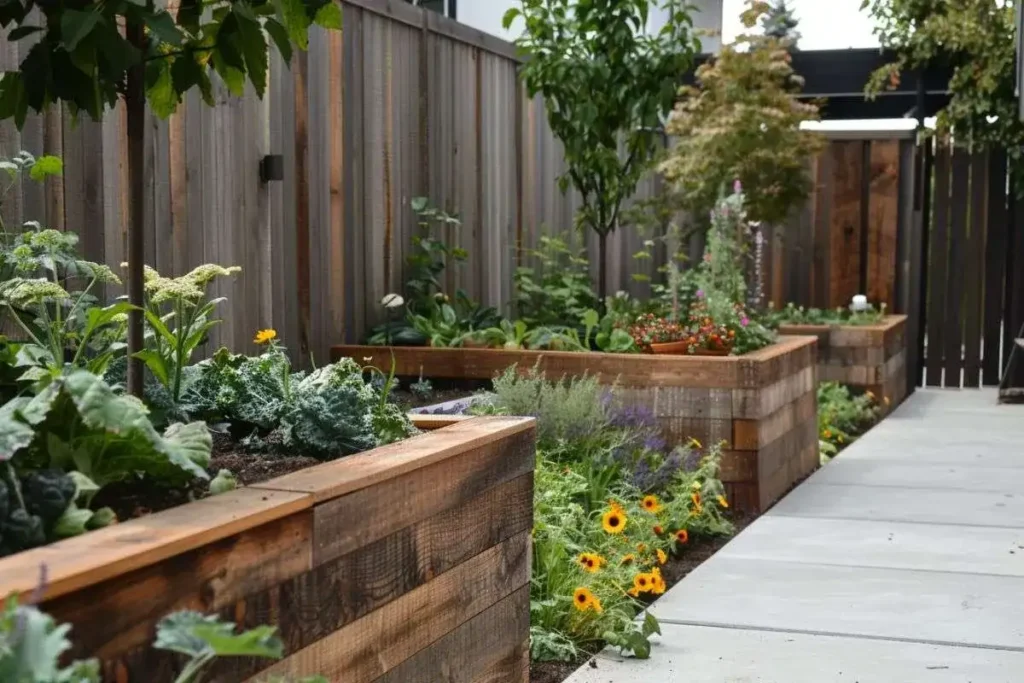
What Does Designing a Garden From Scratch Mean?
It means creating a full garden plan from an empty space. You decide:
- Where plants will go
- What type of plants to use
- Where paths, lawns, and seating areas will be
- How the garden will look in different seasons
It is like drawing a map before building something.
Why Garden Design Is Important
A good garden design helps you:
Use Space Better
Even small gardens can look larger with smart planning.
Save Time and Money
Planning first avoids mistakes and wasted plants.
Improve Plant Growth
Plants grow better when placed in the right conditions.
Create a Relaxing Space
A well-designed garden becomes a peaceful outdoor area.
Step 1: Study Your Garden Space
Before starting, carefully look at your outdoor space.
Check:
- Size of the area
- Shape of the garden
- Sunlight direction
- Shade areas
- Soil type
- Drainage condition
In the UK, weather changes often, so drainage and sunlight are very important.
Step 2: Decide How You Want to Use the Garden
Think about your needs.
Do you want:
- A relaxing seating area?
- A flower garden?
- A vegetable garden?
- A family-friendly space?
- A mix of everything?
Your purpose will guide the design.
Step 3: Draw a Simple Garden Plan
You don’t need professional tools. A simple sketch is enough.
Include:
- Garden boundaries
- House position
- Doors and pathways
- Sun and shade areas
This helps you see your ideas clearly.
Step 4: Choose a Garden Style
Different styles give different looks.
1. Modern Garden
- Clean lines
- Simple design
- Minimal plants
2. Traditional Garden
- Flower beds
- Lawns
- Symmetry
3. Cottage Garden
- Dense planting
- Colorful flowers
- Natural look
4. Wildlife Garden
- Native plants
- Bird-friendly design
- Natural habitat
Choose a style that matches your home.
Step 5: Plan Hard Landscaping First
Hard landscaping means non-plant features.
This includes:
- Paths
- Patios
- Walls
- Decking
- Fences
These elements form the structure of your garden.
Step 6: Design Garden Zones
Divide your garden into areas:
- Seating zone
- Planting zone
- Lawn area
- Pathways
Zoning helps keep everything organized.
Step 7: Prepare the Soil
Good soil is the base of a healthy garden.
In the UK, soil types vary, so you may need to:
- Add compost
- Improve drainage
- Mix organic matter
- Remove weeds and stones
Healthy soil helps plants grow strong.
Step 8: Choose the Right Plants
Pick plants based on:
- Sunlight needs
- Soil type
- Maintenance level
- Seasonal growth
Popular UK Plants:
- Roses
- Lavender
- Hydrangeas
- Tulips
- Daffodils
- Boxwood hedges
Mix different plant types for balance.
Step 9: Plan Plant Placement
Plant placement is very important.
Follow these rules:
- Tall plants at the back
- Medium plants in the middle
- Small plants at the front
This keeps the garden neat and visible.
Step 10: Add a Lawn or Ground Cover
Lawns give open space and balance.
Alternatives include:
- Artificial grass
- Gravel areas
- Wildflower patches
- Ground cover plants
Choose based on maintenance preference.
Step 11: Include Pathways and Walkways
Paths help movement and structure.
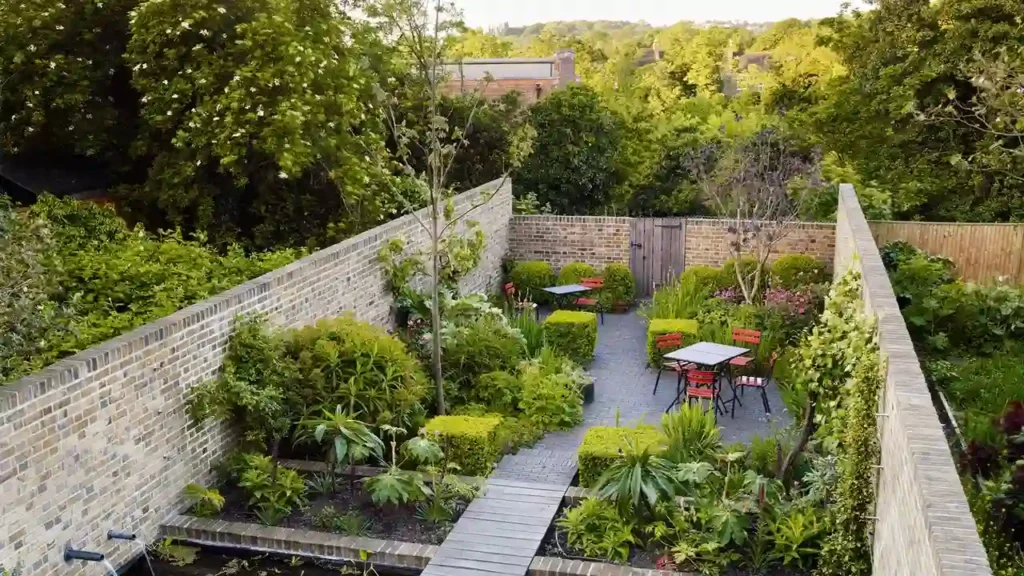
Options include:
- Stone paths
- Gravel paths
- Brick walkways
- Wooden steps
Paths also protect plants from being stepped on.
Step 12: Add Garden Features
Garden features make your space more interesting.
Examples:
- Benches
- Water fountains
- Garden lights
- Pergolas
- Planters
Even one feature can improve the look.
Step 13: Think About Seasons
The UK has four seasons, so plan accordingly.
Spring:
- Tulips
- Daffodils
Summer:
- Roses
- Lavender
Autumn:
- Chrysanthemums
Winter:
- Evergreen plants
A mix keeps your garden active all year.
Step 14: Plan Watering and Maintenance
Before planting, think about care.
Ask:
- How often will I water?
- Do I need an irrigation system?
- How much time can I spend on maintenance?
Low-maintenance gardens are easier for busy people.
Step 15: Start Small and Expand Later
You don’t need to build everything at once.
Start with:
- Basic layout
- Main plants
- Simple features
Then improve over time.
Common Mistakes to Avoid
Beginners often make mistakes like:
- Skipping planning stage
- Planting too close together
- Ignoring sunlight
- Using too many plant types
- Not preparing soil properly
Avoiding these mistakes saves time and money.
Benefits of Designing a Garden From Scratch
A well-planned garden gives many benefits:
- Better use of space
- Beautiful outdoor environment
- Increased home value
- Relaxing lifestyle
- Support for wildlife
Frequently Asked Questions
Is it hard to design a garden from scratch?
No. With simple planning steps, anyone can design a garden.
How long does it take?
Timescales depend on the survey, design detail, revisions and the scope of construction. Agree separate design and build stages before setting a completion date.
Do I need a professional?
Not always, but professionals can help for large or complex gardens.
What is the most important step?
Planning the layout before planting is the most important step.
Conclusion
Designing a garden from scratch is a step-by-step process that starts with planning and ends with planting and decoration. By understanding your space, choosing the right plants, and preparing soil properly, you can create a beautiful and balanced garden.
In the UK, weather and seasonal changes must always be considered. With the right approach, even an empty space can become a peaceful and attractive garden that you can enjoy all year round.
Planning a complete garden in Essex?
If you want to bring the layout, materials, planting and lighting into one plan, explore our bespoke garden design service. Our completed Theydon Bois garden provides a real example of a design carried through into the finished space.
EH Landscapes welcomes full design and build enquiries across Essex, including Brentwood, Shenfield, Ingatestone, Stock, Chelmsford and Epping. See our service areas or discuss your brief with Scott.
Set a realistic construction budget
Before finalising the design, consider the cost of groundworks, access, paving, planting and specialist features. Our garden design and landscaping pricing guide provides a starting point for discussing a professionally delivered garden.