
Becoming a garden designer is a great career choice for people who love plants, outdoor spaces, and creative planning. Garden designers create beautiful, functional, and practical outdoor spaces for homes, businesses, and public areas.
In the UK, this career is growing because more people want well-designed gardens that improve property value and lifestyle.
This guide explains step-by-step how to become a garden designer in a simple and clear way.
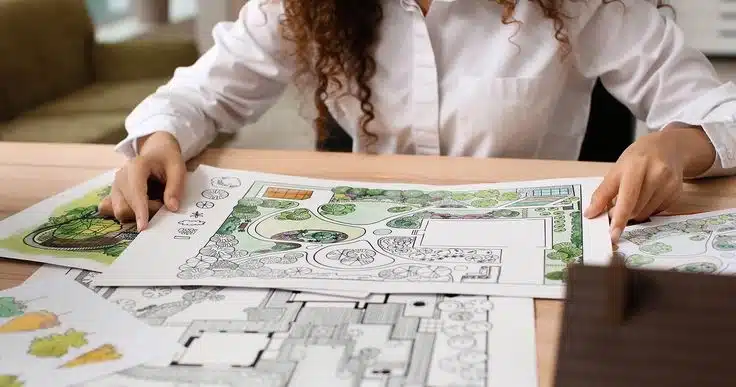
What Does a Garden Designer Do?
A garden designer plans and designs outdoor spaces. Their job includes:
- Creating garden layouts
- Choosing plants and materials
- Designing patios and pathways
- Planning lighting and features
- Improving outdoor functionality
- Working with landscapers
A garden designer focuses on both beauty and practicality.
Why Choose a Career in Garden Design?
This career is popular in the UK because:
High Demand
Many homeowners and businesses want professional garden designs.
Creative Work
You can express creativity through outdoor spaces.
Flexible Career
You can work freelance or with landscaping companies.
Good Earning Potential
Experienced designers can earn well from projects.
Step 1: Learn Basic Gardening Knowledge
Before becoming a designer, you must understand plants and gardens.
Learn about:
- Plant types
- Soil conditions
- Sunlight needs
- Seasonal changes
- Garden maintenance
This knowledge helps you create realistic designs.
Step 2: Study Garden Design Principles
Garden design is not only about plants. It also includes design rules.
Important principles include:
- Balance
- Proportion
- Unity
- Colour harmony
- Focal points
- Texture variation
Understanding these helps you design professional gardens.
Step 3: Get Formal Education or Training
While not always required, training helps a lot.
You can study:
- Garden design courses
- Landscaping diplomas
- Horticulture programs
- Online design courses
In the UK, many colleges and institutions offer professional courses.
Step 4: Learn Design Tools
Modern garden designers use tools to create plans.
Manual Tools:
- Sketchbooks
- Graph paper
- Pencils and markers
Digital Tools:
- Garden design software
- CAD programs
- 3D visualization tools
Digital skills help you work faster and present ideas clearly.
Step 5: Gain Practical Experience
Experience is very important in this field.
You can start by:
- Working with landscapers
- Helping in plant nurseries
- Assisting garden designers
- Doing volunteer gardening work
Hands-on experience teaches real-world skills.
Step 6: Build a Portfolio
A portfolio shows your work to clients.
Include:
- Garden sketches
- Before-and-after designs
- Planting plans
- Completed projects
- 3D visual designs
A strong portfolio helps you get more clients.
Step 7: Learn About UK Gardens and Climate
The UK has unique weather conditions.
You must understand:
- Rainfall patterns
- Frost conditions
- Soil types
- Seasonal planting cycles
This helps you design gardens that survive all year.
Step 8: Develop Plant Knowledge
A garden designer must know plants well.
Learn about:
- Perennials
- Annuals
- Shrubs
- Trees
- Climbers
Also understand which plants grow well in UK regions.
Step 9: Understand Construction Elements
Garden design also includes hard landscaping.
This includes:
- Patios
- Decking
- Fencing
- Walls
- Paths
- Water features
You should know how these elements are built and used.
Step 10: Learn Budget Planning
Clients always have budgets.
You must learn to:
- Estimate costs
- Choose affordable materials
- Balance design and budget
- Avoid unnecessary expenses
Good designers create value within budget limits.
Step 11: Build Communication Skills
You will work with clients, so communication is key.
You must:
- Understand client needs
- Explain your ideas clearly
- Present designs confidently
- Handle feedback professionally
Good communication builds trust.
Step 12: Start Small Projects
Begin with small gardens.
You can:
- Design your own garden
- Help friends or family
- Work on small freelance projects
This builds confidence and experience.
Step 13: Build Your Network
Networking helps you grow faster.
Connect with:
- Landscapers
- Builders
- Nursery owners
- Architects
- Local suppliers
Strong connections bring more opportunities.
Step 14: Create an Online Presence
In today’s world, online presence is important.
You can:
- Create a simple website
- Share your designs online
- Post on social media
- Show before-and-after work
This helps attract clients.
Step 15: Consider Certification (Optional)
Certification is not always required, but it helps build trust.
You can look for:
- Professional garden design memberships
- Horticulture certifications
- Landscaping qualifications
These improve your credibility.
Common Mistakes Beginners Make
Avoid these mistakes:
- Ignoring plant growth size
- Overcrowding gardens
- Not considering climate
- Poor planning
- Lack of client communication
Avoiding mistakes helps you grow faster.
Skills Needed to Become a Garden Designer
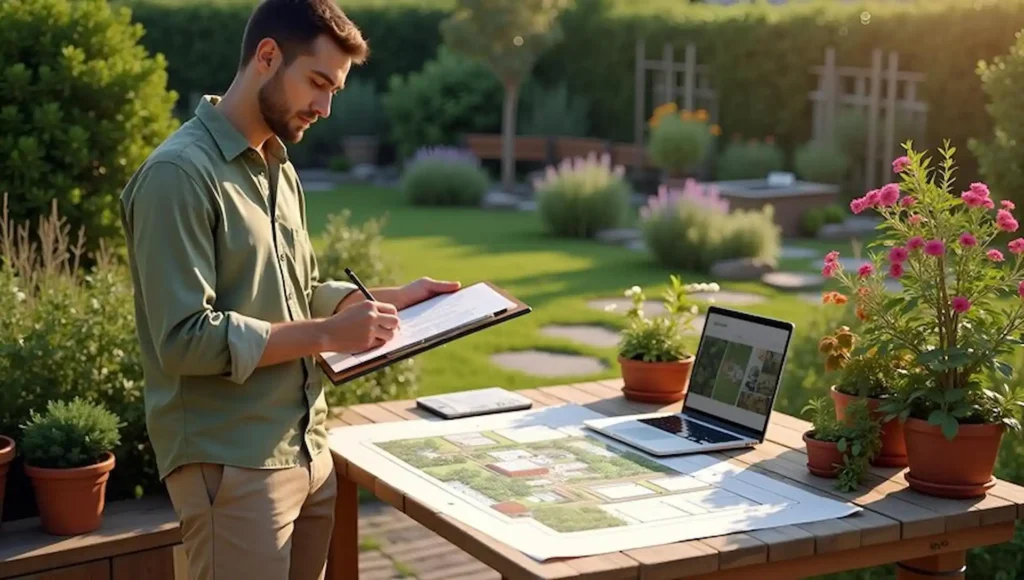
You need both creative and technical skills:
- Creativity
- Plant knowledge
- Drawing skills
- Planning ability
- Problem-solving
- Communication skills
Career Opportunities in Garden Design
Once you gain experience, you can:
- Work as a freelance designer
- Join landscaping companies
- Start your own design business
- Work on commercial projects
- Design public gardens
How Much Can a Garden Designer Earn in the UK?
Income depends on experience:
- Beginners: small project fees
- Experienced designers: higher project rates
- Freelancers: income varies based on clients
With experience, earnings can grow significantly.
Benefits of Becoming a Garden Designer
- Creative and enjoyable work
- Outdoor lifestyle
- Flexible working options
- Growing demand in UK
- Opportunity to run your own business
Frequently Asked Questions
Do I need a degree to become a garden designer?
No, but training or courses can help you get better opportunities.
Can I become a garden designer without experience?
Yes, but gaining hands-on experience is very important.
Is garden design a good career in the UK?
Yes, demand is growing due to home improvement trends.
How long does it take to become a garden designer?
It can take a few months to a few years depending on learning and experience.
Conclusion
Becoming a garden designer in the UK is a practical and rewarding career choice. It combines creativity, plant knowledge, and design skills. With the right learning, experience, and practice, anyone can build a successful career in this field.
Start with basic knowledge, gain experience, and slowly build your portfolio. Over time, you can turn your skills into a strong and stable profession in garden design.