
Are you passionate about being outdoors, planting, and making stunning gardens? Consider becoming a landscape gardener. Developing and designing new spaces isn’t all that landscape gardeners do! They also nurture and maintain those outdoor spots to make sure people get to enjoy the beauty of nature all year round!
This article will help you understand what a landscape gardener does and show you the skills and training necessary to help you succeed in a landscape gardening career.
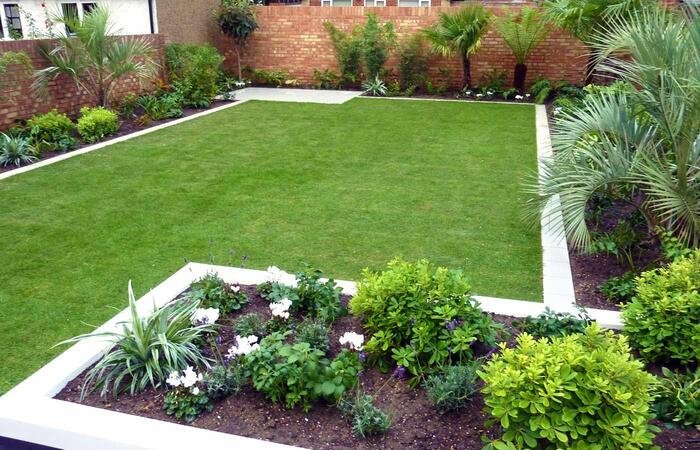
What is a Landscape Gardener?
A landscape gardener is an individual who has an education in planting and caring for gardens and other outdoor spaces. They combine artistry, spatial design, and elements of ecology to shape spaces to become not only visually stunning but also healthy.
Services That Landscape Gardeners Provide Include Work In:
- Home gardens and backyards
- Rooftop and terrace gardens
- Parks and other public spaces
- Educational institutions, hotels, or offices
- School landscapes
They manipulate and design the land using gardening and landscaping materials, such as plants, soil, stones, water, and tools.
What Does a Landscape Gardener Do?
The profession of a landscape gardener comprises a healthy mix of creativity and sheer physical labor. Here are a few of the numerous daily tasks:
Planning and Designing Gardens
Encouragingly, the imagination of a gardener (also referred to as a landscape architect) is responsible for creating painstakingly detailed blueprints of where a multitude of flora will be positioned, in conjunction with plans for walkways, fences, patios, and water features.
Planting and Gardening
Landscape gardeners are responsible for installing and placing large woody perennials, flowering plants (including annuals and perennials), and shrubs, according to the design plans and local climate, to encourage growth.
Building and Hardscaping
Complementing the garden and enhancing the natural and aesthetic value of the landscape, landscape gardeners create well-designed man-made features. This also includes the walls, pathways, and wooden decks within the garden and around the house.
Watering and Irrigation
Landscape gardeners also maintain a healthy arrangement of plants by allowing shrubs and trees to be watered and creating and maintaining the circulation systems of water.
Garden Maintenance
Landscape gardeners create a pleasant work of art by cleaning and maintaining the garden. This involves mowing the lawn, pruning the plants, and removing weeds. They are responsible for the job and also the appearance of the art.
Customer Communication
The landscape gardener also runs and develops the design part of the business and is responsible for negotiations with client performers.
Skills You Need to Be a Landscape Gardener
To start working as a landscape gardener, you do not need to be an artist or a scientist; however, to excel in this career, creativity and technical skills must be employed.

Core Skills Needed:
- Imagination and a strong passion for the outdoors
- A fundamental understanding of basic gardening and horticulture
- Physical fitness and endurance
- Capacity to evaluate and analyze scale drawings
- Interpersonal collaboration
- Diligence and concentration
Extra Skills That Add Value:
- Knowledge and experience with gardening instruments and devices
- Any form of visual expression (e.g., drawing)
- Knowledge of and ways to control garden water and electric systems
- Organizing with a rational plan and generating ideas
A love for producing visible work and gardening makes this profession a right fit for you.
Training and Education
While having a degree is certainly not a requirement for this job, it does improve the types of jobs you can get and the credibility you can get with clients.
1. Initial Education
A high school diploma (or its equivalent) is the minimum requirement to get started. Classes in biology, art, or environmental science can be helpful.
2. Get Vocational Training or Certification
You can find many technical colleges and schools that provide courses in landscaping or horticulture.
Here’s an example of what you can learn:
- Plant care and soil management
- Landscape design
- Irrigation systems
- Garden construction
Some of the certifications you can aim for are:
- Diploma in Landscape Design or Horticulture
- City & Guilds Level 2/3 in Landscaping (UK)
- Certified Landscape Professional (CLP)
- NPTC Training Certificates
3. Apprenticeship or Internship
Training and learning under the supervision of an expert landscaper provides practical training. You will learn the things that books cannot teach you — such as tool handling, planting, and design layout.
4. Get Licensed (If Required)
In some countries or even states, you will need a business or a contractor’s license to provide landscaping services, so do your research to avoid penalties.
Tools and Equipment You’ll Need
Every landscape gardener will need a basic set of tools.
Standard Tools:
- Garden spades, rakes, and shovels
- Lawn mower and trimmer
- Wheelbarrow and watering can
- Hedge cutter and pruning shears
- Garden gloves and safety gear
In Larger Projects, You May Use:
- Irrigation systems
- Power tools
- Garden rollers and rotavators
Step-by-Step: How to Become a Landscape Gardener
Here’s a simple, step-by-step plan to get started in your landscaping career.
Step 1: Understand the Fundamentals of Gardening
Begin with the basics: help in a local garden or grow a few plants. This enables you to learn about plants, soil, sunlight, and how to care for them.
Step 2: Obtain the Right Education
Consider taking landscape horticulture and sustainability courses to enhance your skills. This will teach you design, maintenance, and sustainable practices.
Step 3: Collaborate with an Expert
Try to get an internship or an apprenticeship with a landscape company. This helps you gain knowledge from seasoned gardeners and learn how to manage and execute projects.
Step 4: Create a Portfolio
Document your work using photographs, even if it’s just small gardens or DIY projects. Portfolios are a great way to market yourself to potential clients or employers.
Step 5: Launch Your Own Landscaping Company (If You Want)
When you feel ready, you can start your own company and provide services in:
- Garden design
- Lawn maintenance
- Tree planting
- Construction of patios and walkways
Step 6: Continue Your Education
Landscaping is an ever-evolving practice. To stay ahead of the game, study modern outdoor lighting, smart irrigation, and eco-friendly design.
Career Design
Landscaping provides a variety of opportunities.
Job Roles Include:
- Landscape Designer
- Garden Maintenance Worker
- Horticulturist
- Tree Surgeon (Arborist)
- Groundskeeper
- Landscape Project Manager
Workplaces Include:
- Landscaping companies
- Parks and recreation departments
- Resorts and hotels
- Private homes or estates
- Botanical gardens
Being self-employed as a landscaper or freelancer is also an option.
Benefits of Being a Landscape Gardener
- Work outdoors and stay active
- Express your creativity every day
- Help the environment by planting trees and flowers
- Flexible career path — freelance, business, or employment
- High job satisfaction seeing your designs come to life
Challenges of Landscaping
Like any career, landscaping has its challenges:
- Physically demanding outdoor work
- Weather-dependent schedule
- Seasonal income (in some regions)
- Need for regular learning and skill upgrades
However, for those who love nature and creativity, the rewards are well worth it!
Tips for Success as a Landscape Gardener
- Always plan before planting
- Use eco-friendly landscaping practices
- Use native plants that require less water
- Keep updating your design skills
- Build good relationships with clients
Happy clients bring referrals, and that’s the best marketing for your landscaping business!
Conclusion
Becoming a landscape gardener is a rewarding career that combines creativity, physical activity, and a passion for the natural world. With the right skills, training, and dedication, you can turn your love for plants and design into a successful and fulfilling profession. Whether you dream of creating city parks or cozy home gardens, this is your chance to make the world greener one garden at a time.