
Designing a small garden can be one of the most exciting and creative parts of home improvement. Even if your space is tiny like a balcony, patio, or compact backyard you can still create a green, beautiful area that feels calm and inviting.
The secret to designing a small garden is making the best use of every inch. With smart planning, the right plants, and clever design tricks, you can make a small garden look much bigger and more attractive.
This guide will show you step-by-step how to design your small garden, what to plant, and how to style it beautifully even on a tight budget.

What Is Small Garden Design?
Small garden design means planning and arranging plants, paths, furniture, and decorations in a limited outdoor space to make it functional and beautiful.
A good small garden design focuses on:
- Maximizing space
- Choosing the right plants
- Creating balance between greenery and open areas
- Making the garden easy to maintain
The goal is to make your small space feel peaceful, green, and comfortable without feeling crowded.
Why Design a Small Garden?
Even a small garden offers many benefits:
- Adds beauty and charm – A simple garden brings life to your home.
- Creates a peaceful retreat – A space to relax after a long day.
- Improves air quality – Plants purify the air and reduce heat.
- Supports mental health – Being close to nature lowers stress.
- Increases property value – A well-designed garden can add to your home’s worth.
Step-by-Step Guide: How to Design a Small Garden
Let’s go through each step to help you design your small garden easily and effectively.
Step 1: Measure and Assess Your Space
Start by measuring your garden area. Note its length, width, and shape.
Observe:
- Sunlight – Which parts get full sun or shade?
- Wind direction – Important for fragile plants.
- Soil condition – Is it sandy, clay, or rich in nutrients?
- Existing features – Walls, fences, or trees that can be used in the design.
Draw a simple sketch of your garden on paper. This will help you visualize where to put plants, furniture, and paths.
Step 2: Choose a Theme or Style
Picking a clear style gives your small garden harmony and personality.
Here are a few ideas for small spaces:
- Modern Garden – Clean lines, minimal design, few plant varieties.
- Cottage Garden – Colorful flowers and natural, curved paths.
- Japanese Zen Garden – Stones, sand, and simple plants for calmness.
- Vertical Garden – Green walls and hanging planters to save floor space.
- Urban Balcony Garden – Pots, herbs, and compact furniture.
Choose a style that matches your home and personal taste.
Step 3: Plan Your Layout
Divide your small garden into sections even if the space is tiny.
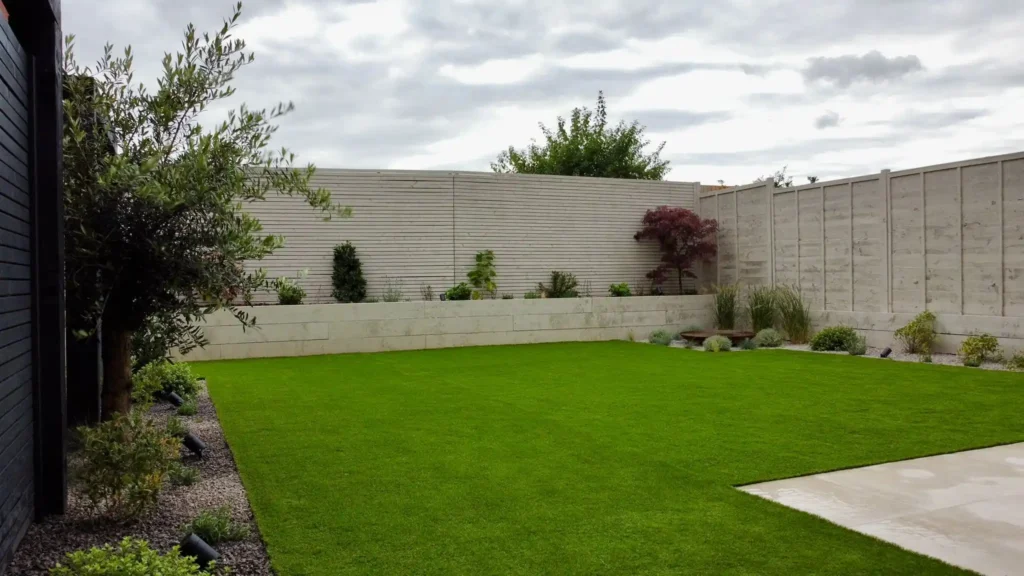
Here’s how you can organize it:
- Seating Area – Use a small bench or foldable chairs.
- Plant Zone – Raised beds, pots, or wall planters.
- Pathway – Use stepping stones or small tiles to create flow.
- Feature Spot – A focal point like a small fountain, bird bath, or sculpture.
Try to keep the layout simple. Too many items can make a small garden feel cluttered.
Step 4: Choose the Right Plants
Plants bring life to your garden. But in a small space, choosing wisely is key.
Go for plants that are:
- Compact and slow-growing – So they don’t take over space.
- Evergreen – Stay green all year round.
- Colorful – Add variety with flowers or foliage.
- Fragrant – Jasmine, mint, or lavender are perfect choices.
Good plant ideas for small gardens include:
- Shrubs: Boxwood, dwarf hibiscus, lavender
- Flowers: Marigolds, petunias, daisies
- Climbers: Money plant, jasmine, bougainvillea
- Herbs: Basil, mint, coriander, rosemary
Mix plants of different heights for depth and visual interest.
Step 5: Use Vertical Space
When ground space is limited, grow upward!
You can:
- Add vertical planters or wall-mounted pots.
- Use trellises for climbing plants.
- Hang pots from railings or walls.
- Install a living green wall if you have the budget.
This technique adds more greenery without taking up walking space.
Step 6: Add Hardscaping Elements
Hardscaping means adding man-made features like:
- Wooden decks or tiles
- Small water fountains
- Stone borders
- Outdoor lighting
In small gardens, choose lightweight and movable furniture. Foldable chairs, benches with storage, and compact tables are perfect options.
Avoid bulky structures that make the garden feel cramped.
Step 7: Use Color and Light Wisely
Color can make a small garden look bigger. Here’s how:
- Use light-colored paving like beige or white stones.
- Paint fences or walls in soft colors such as cream or pale green.
- Add bright flowers near dark walls to make them stand out.
- Use garden lights for warmth and depth at night.
Lighting adds beauty and allows you to enjoy your garden after sunset.
Step 8: Add Personal Touches
Make your garden unique by adding a few personal details:
- A small bird feeder or wind chime.
- A mini water feature or statue.
- A DIY garden sign or painted stones.
Even in a small space, these touches bring character and charm.
Step 9: Keep It Low Maintenance
A small garden should be easy to maintain. Here’s how:
- Choose plants that don’t need frequent watering.
- Use mulch to retain soil moisture and control weeds.
- Install a simple drip irrigation system.
- Prune plants regularly to keep them healthy and neat.
Small Garden Design Ideas
Here are a few creative ideas for inspiration:
- Balcony Garden: Use pots, hanging planters, and herbs to create a fresh look.
- Courtyard Garden: Add a water bowl, a few tropical plants, and pebbles.
- Mini Zen Garden: Use sand, rocks, and one or two small bonsai plants.
- Vertical Herb Wall: Perfect for kitchens — grow mint, basil, and parsley.
- Small Backyard: Use tiles for half the space and a flower bed for the rest.
Common Mistakes to Avoid
- Using too many large plants.
- Cluttering the area with decorations.
- Ignoring sunlight and plant needs.
- Skipping regular maintenance.
- Not having a focal point (makes design look random).
FAQs
1. How do I make my small garden look bigger?
Use mirrors, light colors, and vertical planters to create a sense of space.
2. Can I landscape a small garden myself?
Yes! With some planning and creativity, you can easily design your garden without a professional.
3. What plants are best for small gardens?
Choose compact, evergreen, and low-maintenance plants like lavender, jasmine, or dwarf palms.
4. How much sunlight does a small garden need?
At least 4–6 hours of sunlight daily is ideal for most plants.
Conclusion
Designing a small garden is all about creativity, balance, and smart use of space. Even with limited area, you can create a peaceful, green corner that feels open and relaxing.
By choosing the right plants, using vertical designs, and keeping your layout simple, your small garden can become the most charming part of your home.
Remember — size doesn’t matter when it comes to beauty and peace. With thoughtful design, even the smallest garden can bring you closer to nature every day.