
How to Become a Garden Designer
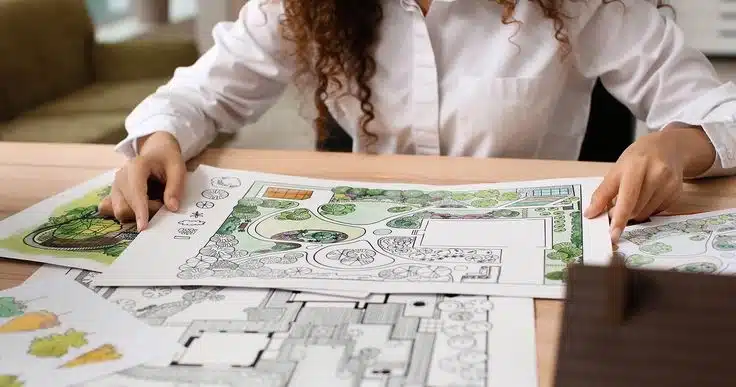
Becoming a garden designer is a great career choice for people who love plants, outdoor spaces, and creative planning. Garden designers create beautiful, functional, and practical outdoor spaces for homes, businesses, and public areas. In the UK, this career is growing because more people want well-designed gardens that improve property value and lifestyle. This guide explains step-by-step how to become a garden designer in a simple and clear way. What Does a Garden Designer Do? A garden designer plans and designs outdoor spaces. Their job includes: A garden designer focuses on both beauty and practicality. Why Choose a Career in Garden Design? This career is popular in the UK because: High Demand Many homeowners and businesses want professional garden designs. Creative Work You can express creativity through outdoor spaces. Flexible Career You can work freelance or with landscaping companies. Good Earning Potential Experienced designers can earn well from projects. Step 1: Learn Basic Gardening Knowledge Before becoming a designer, you must understand plants and gardens. Learn about: This knowledge helps you create realistic designs. Step 2: Study Garden Design Principles Garden design is not only about plants. It also includes design rules. Important principles include: Understanding these helps you design professional gardens. Step 3: Get Formal Education or Training While not always required, training helps a lot. You can study: In the UK, many colleges and institutions offer professional courses. Step 4: Learn Design Tools Modern garden designers use tools to create plans. Manual Tools: Digital Tools: Digital skills help you work faster and present ideas clearly. Step 5: Gain Practical Experience Experience is very important in this field. You can start by: Hands-on experience teaches real-world skills. Step 6: Build a Portfolio A portfolio shows your work to clients. Include: A strong portfolio helps you get more clients. Step 7: Learn About UK Gardens and Climate The UK has unique weather conditions. You must understand: This helps you design gardens that survive all year. Step 8: Develop Plant Knowledge A garden designer must know plants well. Learn about: Also understand which plants grow well in UK regions. Step 9: Understand Construction Elements Garden design also includes hard landscaping. This includes: You should know how these elements are built and used. Step 10: Learn Budget Planning Clients always have budgets. You must learn to: Good designers create value within budget limits. Step 11: Build Communication Skills You will work with clients, so communication is key. You must: Good communication builds trust. Step 12: Start Small Projects Begin with small gardens. You can: This builds confidence and experience. Step 13: Build Your Network Networking helps you grow faster. Connect with: Strong connections bring more opportunities. Step 14: Create an Online Presence In today’s world, online presence is important. You can: This helps attract clients. Step 15: Consider Certification (Optional) Certification is not always required, but it helps build trust. You can look for: These improve your credibility. Common Mistakes Beginners Make Avoid these mistakes: Avoiding mistakes helps you grow faster. Skills Needed to Become a Garden Designer You need both creative and technical skills: Career Opportunities in Garden Design Once you gain experience, you can: How Much Can a Garden Designer Earn in the UK? Income depends on experience: With experience, earnings can grow significantly. Benefits of Becoming a Garden Designer Frequently Asked Questions Do I need a degree to become a garden designer? No, but training or courses can help you get better opportunities. Can I become a garden designer without experience? Yes, but gaining hands-on experience is very important. Is garden design a good career in the UK? Yes, demand is growing due to home improvement trends. How long does it take to become a garden designer? It can take a few months to a few years depending on learning and experience. Conclusion Becoming a garden designer in the UK is a practical and rewarding career choice. It combines creativity, plant knowledge, and design skills. With the right learning, experience, and practice, anyone can build a successful career in this field. Start with basic knowledge, gain experience, and slowly build your portfolio. Over time, you can turn your skills into a strong and stable profession in garden design.
How to Design a Garden From Scratch
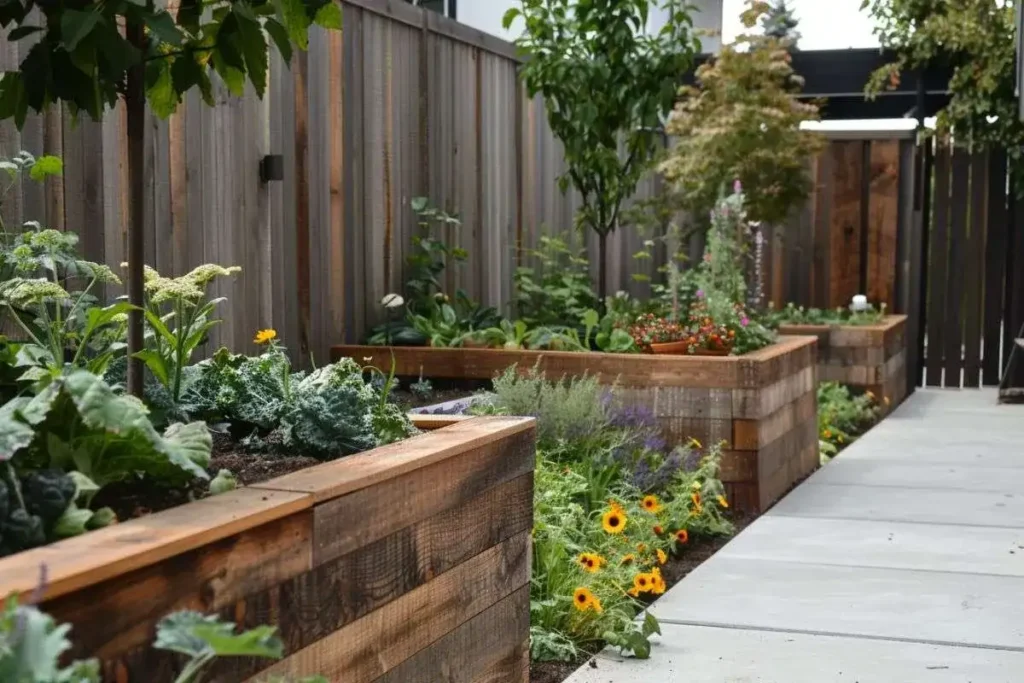
Designing a garden from scratch is exciting because you start with a completely empty space and turn it into something green, calm, and beautiful. Whether you have a small backyard or a large outdoor area in the UK, a well-planned garden can improve your home and lifestyle. This guide explains everything step by step in simple language so anyone can follow it, even beginners. What Does Designing a Garden From Scratch Mean? It means creating a full garden plan from an empty space. You decide: It is like drawing a map before building something. Why Garden Design Is Important A good garden design helps you: Use Space Better Even small gardens can look larger with smart planning. Save Time and Money Planning first avoids mistakes and wasted plants. Improve Plant Growth Plants grow better when placed in the right conditions. Create a Relaxing Space A well-designed garden becomes a peaceful outdoor area. Step 1: Study Your Garden Space Before starting, carefully look at your outdoor space. Check: In the UK, weather changes often, so drainage and sunlight are very important. Step 2: Decide How You Want to Use the Garden Think about your needs. Do you want: Your purpose will guide the design. Step 3: Draw a Simple Garden Plan You don’t need professional tools. A simple sketch is enough. Include: This helps you see your ideas clearly. Step 4: Choose a Garden Style Different styles give different looks. 1. Modern Garden 2. Traditional Garden 3. Cottage Garden 4. Wildlife Garden Choose a style that matches your home. Step 5: Plan Hard Landscaping First Hard landscaping means non-plant features. This includes: These elements form the structure of your garden. Step 6: Design Garden Zones Divide your garden into areas: Zoning helps keep everything organized. Step 7: Prepare the Soil Good soil is the base of a healthy garden. In the UK, soil types vary, so you may need to: Healthy soil helps plants grow strong. Step 8: Choose the Right Plants Pick plants based on: Popular UK Plants: Mix different plant types for balance. Step 9: Plan Plant Placement Plant placement is very important. Follow these rules: This keeps the garden neat and visible. Step 10: Add a Lawn or Ground Cover Lawns give open space and balance. Alternatives include: Choose based on maintenance preference. Step 11: Include Pathways and Walkways Paths help movement and structure. Options include: Paths also protect plants from being stepped on. Step 12: Add Garden Features Garden features make your space more interesting. Examples: Even one feature can improve the look. Step 13: Think About Seasons The UK has four seasons, so plan accordingly. Spring: Summer: Autumn: Winter: A mix keeps your garden active all year. Step 14: Plan Watering and Maintenance Before planting, think about care. Ask: Low-maintenance gardens are easier for busy people. Step 15: Start Small and Expand Later You don’t need to build everything at once. Start with: Then improve over time. Common Mistakes to Avoid Beginners often make mistakes like: Avoiding these mistakes saves time and money. Benefits of Designing a Garden From Scratch A well-planned garden gives many benefits: Frequently Asked Questions Is it hard to design a garden from scratch? No. With simple planning steps, anyone can design a garden. How long does it take? Small gardens can take a few days, larger ones may take weeks. Do I need a professional? Not always, but professionals can help for large or complex gardens. What is the most important step? Planning the layout before planting is the most important step. Conclusion Designing a garden from scratch is a step-by-step process that starts with planning and ends with planting and decoration. By understanding your space, choosing the right plants, and preparing soil properly, you can create a beautiful and balanced garden. In the UK, weather and seasonal changes must always be considered. With the right approach, even an empty space can become a peaceful and attractive garden that you can enjoy all year round.
How to Design a Flower Garden Layout

Designing a flower garden layout is one of the most enjoyable parts of gardening. A well-planned flower garden can make your home look beautiful, attract butterflies and bees, and create a peaceful outdoor space. In the UK, garden design also needs to consider weather, soil type, and seasonal changes. This guide will help you design a simple, attractive, and easy-to-maintain flower garden layout step by step. What Is a Flower Garden Layout? A flower garden layout is a planned design of how flowers, plants, and garden features are arranged in a space. It includes: A good layout makes your garden look balanced and easy to maintain. Why Flower Garden Design Is Important A proper garden layout helps you: Improve Visual Beauty A well-planned garden looks more organized and attractive. Save Space Even small gardens can look full and beautiful with smart planning. Reduce Maintenance Proper spacing makes it easier to water, trim, and care for plants. Support Plant Growth Plants grow better when they are placed in the right conditions. Step 1: Understand Your Garden Space Before designing, study your garden area carefully. Check: In the UK, weather changes often, so understanding sunlight and drainage is very important. Step 2: Choose a Garden Style Different garden styles create different looks. 1. Formal Garden 2. Informal Garden 3. Cottage Garden 4. Modern Garden Choose a style that matches your home and personal taste. Step 3: Plan Your Flower Bed Shape Flower beds are the main structure of your garden. Common shapes include: In small gardens, curved or corner beds often work best. Step 4: Select the Right Flowers Choosing the right flowers is key to a successful garden. Popular UK Flower Choices: Tips for Selection: Step 5: Plan Flower Colors Color planning makes your garden look more attractive. Simple Color Ideas: Avoid using too many colors in one small area. Keep it balanced. Step 6: Arrange Plants by Height Plant height plays a big role in garden design. Basic Rule: This helps every plant get sunlight and keeps the garden visible and neat. Step 7: Leave Proper Spacing Plants need space to grow properly. Too close = overcrowdingToo far = empty-looking garden Spacing depends on plant type, but always: Step 8: Add Garden Paths Paths improve both beauty and function. You can use: Paths help you walk through your garden without damaging flowers. Step 9: Add Focal Points A focal point is an area that attracts attention. Examples include: A focal point gives structure to your garden design. Step 10: Plan for All Seasons UK weather changes throughout the year, so seasonal planning is important. Spring: Summer: Autumn: Winter: A mix of seasonal plants keeps your garden colorful all year. Step 11: Consider Maintenance Needs Before finalizing your layout, think about maintenance. Ask yourself: Low-maintenance gardens are ideal for busy homeowners. Step 12: Use Borders and Edges Borders help define your garden space. You can use: Borders keep your garden neat and structured. Step 13: Add Soil and Fertilizer Planning Healthy soil is the foundation of a good garden. In the UK: Good soil ensures strong and healthy flowers. Step 14: Test Your Layout Before Planting Before planting everything: Planning first helps avoid mistakes later. Common Mistakes to Avoid Many beginners make simple mistakes: Avoiding these mistakes leads to a better garden. Benefits of a Well-Designed Flower Garden A good flower garden gives many benefits: Frequently Asked Questions What is the easiest flower garden layout for beginners? A simple border layout with mixed seasonal flowers is best for beginners. How much space do I need for a flower garden? Even a small corner or 2–3 square meters can be turned into a flower garden. Which flowers are best for UK gardens? Roses, lavender, tulips, daffodils, and hydrangeas work very well. Do I need a professional garden designer? Not always. Small gardens can be designed using simple planning steps. Conclusion Designing a flower garden layout is about planning, balance, and creativity. By understanding your space, choosing the right flowers, and arranging them properly, you can create a beautiful garden that lasts all year. In the UK, weather and seasonal changes should always be considered when planning. With the right layout, even a small garden can become a colorful and peaceful outdoor space that adds beauty to your home.
How to Start a Plant Supply & Service Business
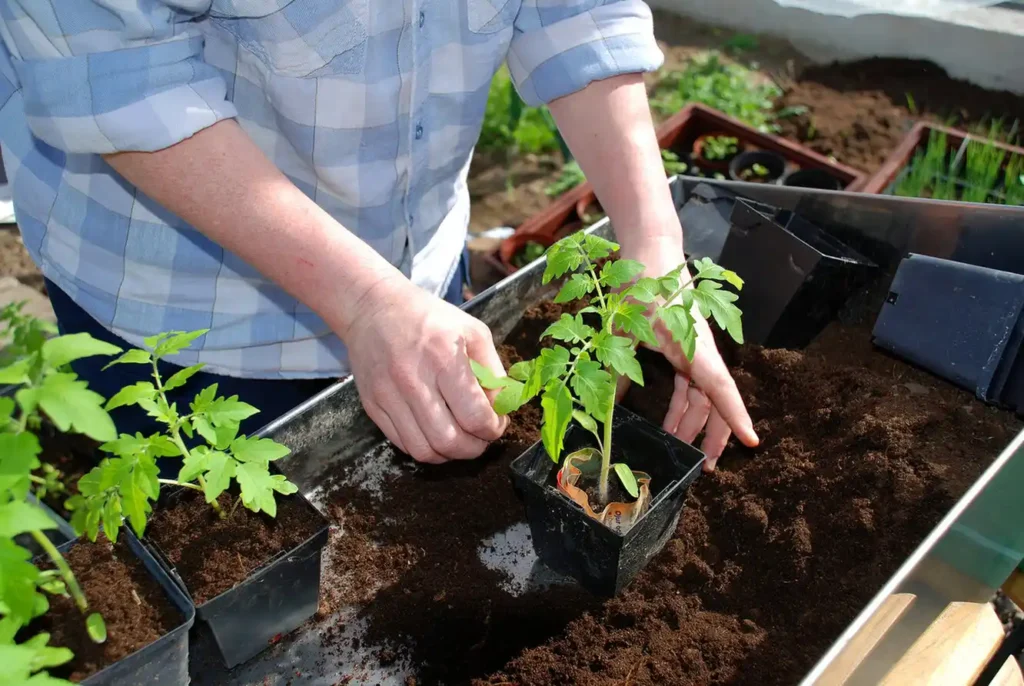
Starting a plant supply and service business in the UK can be a strong opportunity for people who love gardening, landscaping, and outdoor work. With growing interest in home gardens, green spaces, and sustainable living, demand for plants and related services continues to rise. This guide explains everything in simple steps, including planning, setup, costs, equipment, and how to grow your business successfully. What Is a Plant Supply & Service Business? A plant supply and service business involves providing plants and related gardening services to customers. It usually includes: Some businesses also offer ongoing care, such as watering, trimming, and replacement planting. Why Start a Plant Supply Business in the UK? The UK has a strong gardening culture. Many people enjoy improving their outdoor spaces, even in small gardens. Key reasons this business works well: High Demand for Gardening Services Homeowners, businesses, and public spaces regularly need plants and maintenance. Growing Interest in Green Living People want cleaner air, natural spaces, and eco-friendly environments. Year-Round Opportunities Different plants are needed in every season, creating continuous demand. Low Entry Barriers You can start small and grow step by step. Step 1: Research the Market Before starting, you need to understand your local market. Ask yourself: You should also study local competitors and see what they offer. Step 2: Choose Your Business Model There are different ways to run a plant supply and service business. 1. Plant Supply Only You sell plants, trees, and garden products. 2. Plant Supply + Installation You supply plants and also plant them for customers. 3. Full Garden Service You offer complete services like: 4. Mobile Plant Service You deliver plants directly to customers and provide on-site planting. Step 3: Create a Business Plan A business plan helps you stay focused and organized. Include: A clear plan helps you avoid mistakes and manage your money better. Step 4: Register Your Business in the UK To operate legally, you must register your business. You may need to: It is also important to check local council rules for outdoor trading or storage. Step 5: Set Up Your Supply Chain A strong supply chain is very important in this business. You will need reliable sources for: You can work with local growers, wholesalers, or nurseries. Step 6: Get the Right Tools and Equipment To run your service efficiently, you will need: If you offer large-scale services, you may also need machinery for digging and lifting. Step 7: Understand Plant Knowledge You must understand basic plant care, including: This knowledge helps you choose the right plants for each customer. Step 8: Set Your Pricing Strategy Pricing depends on your service type. You should consider: Common pricing models include: Always make sure your pricing covers costs and profit. Step 9: Build Your Brand Identity A strong brand helps you attract more customers. Focus on: Customers trust businesses that look professional and consistent. Step 10: Marketing Your Business Marketing is very important for growth. Online Marketing Offline Marketing High-quality photos of your work can bring more customers. Step 11: Provide Excellent Customer Service Good service helps you build long-term clients. Always focus on: Happy customers often give referrals. Step 12: Common Challenges in This Business Like any business, there are challenges: Seasonal Demand Some months are busier than others. Plant Health Issues Plants may get damaged during transport or planting. Weather Conditions UK weather can affect outdoor work. Competition Many local gardening services already exist. Planning helps reduce these risks. Step 13: Growth Opportunities Once your business is stable, you can expand: Growth depends on service quality and customer trust. Benefits of Starting This Business Frequently Asked Questions Is a plant supply business profitable in the UK? Yes. With proper planning and good service, it can be a profitable and stable business. Do I need qualifications? Formal qualifications are not required, but plant knowledge and experience are very helpful. Can I start small? Yes. Many people start from home or small gardens and expand over time. What is the biggest cost? Plants, transport, and tools are usually the main expenses. Conclusion Starting a plant supply and service business in the UK is a practical and rewarding opportunity. With the right planning, plant knowledge, and customer service, you can build a strong and long-term business. Focus on quality plants, reliable service, and good communication. Over time, you can grow from a small setup into a trusted local plant service provider.
How to Choose Plant Relocation Services

Moving plants from one place to another is not as simple as moving furniture. Plants are living things, and they need care, proper handling, and the right environment to survive relocation. Whether you are moving house, redesigning your garden, or shifting a business landscape, choosing the right plant relocation service is very important. In the UK, plant relocation services are becoming more popular because many homeowners and businesses want to protect their gardens instead of replacing plants. This guide will help you understand how to choose the right service step by step. What Is a Plant Relocation Service? A plant relocation service is a professional service that carefully moves plants, trees, and shrubs from one location to another. This can include: These services use special tools, soil protection methods, and transport techniques to keep plants safe during the move. Why Plant Relocation Needs Experts Plants are sensitive to changes in: Even a small mistake can damage or kill a plant. That is why professionals are needed. They know how to reduce stress on plants and increase survival rates. A trained team understands how to: When Do You Need Plant Relocation Services? You may need plant relocation services in situations like: 1. Moving to a New Home If you have a garden you love, you may want to take your plants with you instead of leaving them behind. 2. Garden Renovation When redesigning your outdoor space, some plants may need to be moved to new locations. 3. Construction Work Building extensions, patios, or driveways may require plants to be moved temporarily or permanently. 4. Commercial Landscaping Changes Businesses often redesign outdoor spaces for better appearance or branding. 5. Saving Mature Plants Older trees and plants are valuable and often worth relocating instead of replacing. How to Choose the Best Plant Relocation Service Choosing the right service is very important for plant safety. Here are the key factors you should consider: 1. Check Experience and Expertise Experience matters a lot in plant relocation. A company with years of experience will know how to handle different types of plants. Ask questions like: Experienced professionals are more likely to handle your plants safely. 2. Look at Plant Handling Methods A good service should use proper methods such as: Avoid services that do not explain how they protect plants during movement. 3. Check Tools and Equipment Plant relocation requires special tools like: If a company uses modern tools, it shows they take plant safety seriously. 4. Ask About Insurance Coverage Accidents can happen during relocation. That is why insurance is important. A professional service should offer: This gives you peace of mind during the process. 5. Read Customer Reviews Customer feedback helps you understand service quality. Look for reviews that mention: Positive reviews show trust and reliability. 6. Compare Pricing Carefully Price is important, but the cheapest option is not always the best. Plant relocation costs depend on: Always compare at least 2–3 services before making a decision. 7. Ask About Plant Care After Relocation After moving, plants need care to adjust to the new environment. Good services provide: This increases the chance of plant survival. 8. Check Their Knowledge of Local UK Conditions In the UK, weather conditions can affect plant health. A good service should understand: Local knowledge ensures better results. Step-by-Step Plant Relocation Process Understanding the process helps you know what to expect. Step 1: Site Inspection Experts visit your garden to check plant size, type, and location. Step 2: Planning They create a plan for safe removal and transport. Step 3: Preparing the Plant Roots are carefully prepared and protected. Step 4: Digging and Removal Plants are gently removed with minimal root damage. Step 5: Transport Plants are securely loaded and moved to the new location. Step 6: Replanting Plants are placed in new soil and properly positioned. Step 7: Aftercare Watering and monitoring begin to help plants recover. Common Mistakes to Avoid When Choosing a Service Many people make mistakes when hiring plant relocation services. Avoid the following: These mistakes can lead to plant damage or loss. Benefits of Professional Plant Relocation Services Hiring professionals offers many benefits: Better Survival Rate Plants are more likely to survive when handled correctly. Time Saving Experts complete the job faster and more efficiently. Reduced Stress for Plants Proper handling reduces shock and damage. Safe Transport Special vehicles and tools ensure safety during movement. Expert Advice You get guidance on how to care for plants after relocation. Questions to Ask Before Hiring Before choosing a service, ask: Clear answers show professionalism. Signs of a Reliable Plant Relocation Company A trustworthy service usually: Final Tips for Choosing the Right Service Choosing carefully ensures your plants stay healthy and safe. Conclusion Plant relocation is a delicate process that requires skill, experience, and proper tools. Whether you are moving a small garden or large trees, choosing the right plant relocation service in the UK is very important. By checking experience, tools, insurance, customer reviews, and aftercare support, you can make a smart choice. A good service will protect your plants and help them grow in their new location without stress. Taking time to choose the right professionals will save your plants and give you peace of mind.
Are Plant Nurseries Essential Services?
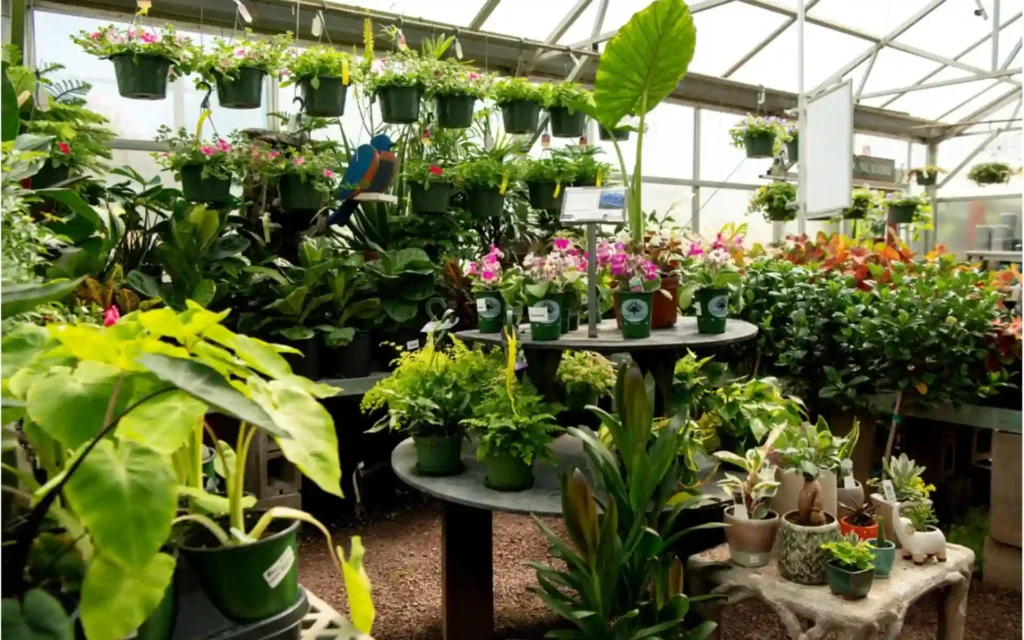
Plant nurseries play an important role in helping people grow healthy gardens, maintain outdoor spaces, and improve the environment. Many homeowners, businesses, and gardeners rely on nurseries for plants, trees, shrubs, and expert advice. A common question people ask is: Are plant nurseries essential services? The answer depends on the situation, local regulations, and community needs. However, plant nurseries provide valuable products and services that support food production, environmental health, landscaping, and property maintenance. In this guide, we will explain what plant nurseries do, why they are important, and whether they can be considered essential services. What Is a Plant Nursery? A plant nursery is a place where plants are grown, cared for, and sold. Nurseries offer a wide range of plants for homes, gardens, commercial properties, and public spaces. These plants may include: Plant nurseries also provide gardening supplies, soil, compost, fertilizers, and professional advice to help customers grow healthy plants. What Does an Essential Service Mean? An essential service is a business or organization that provides products or services considered necessary for daily life, public well-being, safety, health, or infrastructure. Examples of essential services may include: Whether a plant nursery is classified as essential often depends on its role in supporting agriculture, food production, landscaping, and environmental care. Are Plant Nurseries Essential Services? In many situations, plant nurseries can be considered essential because they support important activities that benefit homes, businesses, and communities. Plant nurseries contribute to: Food Production Many nurseries sell vegetable plants, fruit trees, and herb plants. These products help people grow food at home and support local food production. Home gardening has become increasingly popular because it allows families to produce fresh vegetables and fruits while reducing grocery costs. Environmental Benefits Plants improve air quality, reduce pollution, and support local wildlife. Nurseries help supply the plants needed for environmental projects, green spaces, and conservation efforts. Trees and plants also help reduce carbon dioxide levels and improve urban environments. Landscape Maintenance Residential and commercial properties require ongoing landscape care. Nurseries provide replacement plants, shrubs, and trees needed to maintain outdoor spaces. Without access to healthy plants, many landscaping projects would stop or face delays. Community Well-Being Gardening has been linked to improved mental health and overall well-being. Access to plants allows people to create enjoyable outdoor environments that encourage relaxation and outdoor activity. Why Plant Nurseries Matter to Homeowners Homeowners often depend on plant nurseries for more than just buying plants. Nurseries provide: Expert Advice Many nursery professionals have extensive knowledge about plant care. They can help customers choose plants that suit local climate conditions, soil types, and maintenance needs. Quality Plants Plants from reputable nurseries are usually healthier and better cared for than plants from general retail stores. Healthy plants often establish themselves faster and have a better chance of long-term growth. Seasonal Recommendations Different plants thrive during different seasons. Nursery experts help customers choose the right plants at the right time of year. Garden Planning Support Many nurseries assist customers with garden design ideas and planting recommendations to create attractive outdoor spaces. How Plant Nurseries Support Landscaping Services Landscaping companies rely heavily on plant nurseries for project materials. Professional landscapers often purchase: Without access to nurseries, landscaping projects can become difficult to complete. This is one reason why many people view plant nurseries as an important part of the landscaping industry. The Role of Plant Nurseries in Local Economies Plant nurseries support economic growth in several ways. Job Creation Nurseries employ workers involved in: These jobs contribute to local employment opportunities. Supporting Small Businesses Many independent gardeners, landscapers, and property maintenance companies rely on local nurseries for supplies. This creates a strong network of businesses that support one another. Encouraging Local Spending When customers buy from local nurseries, money stays within the community and helps support local economic development. Plant Nurseries and Sustainable Living Sustainability has become increasingly important in modern landscaping and gardening. Plant nurseries help support sustainable practices through: Native Plants Native plants often require less water and maintenance while supporting local wildlife. Pollinator-Friendly Plants Many nurseries offer plants that attract: These species play an important role in healthy ecosystems. Water-Efficient Gardening Nurseries often recommend drought-tolerant plants that help reduce water usage. Organic Gardening Options Many nurseries provide organic plants and environmentally friendly gardening products. When Are Plant Nurseries Considered Essential? Plant nurseries are often considered essential when they support: Agricultural Operations Farmers may need seedlings, fruit trees, and crop plants to maintain food production. Environmental Projects Tree planting initiatives and conservation projects often require nursery-grown plants. Property Maintenance Businesses, public spaces, and residential properties may need plants for safety, compliance, or landscape restoration. Food Gardening People growing fruits and vegetables at home may rely on nurseries for seasonal plants and gardening supplies. Benefits of Shopping at a Local Plant Nursery Choosing a local nursery offers several advantages. Better Plant Selection Local nurseries usually stock plants that are well suited to regional growing conditions. Personalized Service Customers can receive one-on-one advice from experienced staff. Healthier Plants Plants are often cared for more carefully than those sold in large retail chains. Community Support Buying locally helps support local growers and businesses. Common Products Available at Plant Nurseries Plant nurseries typically offer a wide range of products. These may include: Outdoor Plants Edible Plants Indoor Plants Gardening Supplies How to Choose the Right Plant Nursery Not all nurseries offer the same level of quality and service. Consider the following factors when choosing a nursery: Plant Health Look for healthy plants with strong stems and vibrant leaves. Knowledgeable Staff Experienced staff can help answer questions and provide useful recommendations. Product Variety A good nursery should offer a wide range of plants and gardening supplies. Positive Customer Reviews Customer feedback can provide insight into plant quality and service standards. Frequently Asked Questions Are plant nurseries essential for gardeners? Yes. Plant nurseries provide plants, supplies, and expert advice that help gardeners successfully grow and maintain healthy gardens. Why are plant nurseries important? Plant nurseries support gardening,
What Is the Best Plant Delivery Service? A Complete Guide for Buyers
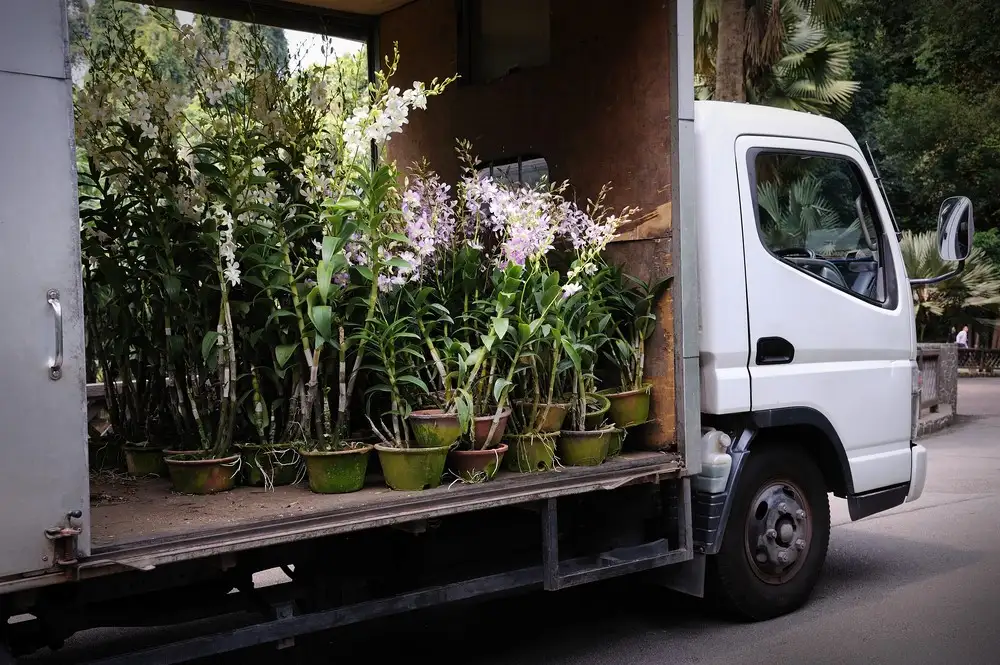
Finding the best plant delivery service can completely change the way you shop for indoor and outdoor plants. Instead of visiting multiple nurseries, dealing with transportation, or worrying about plant damage, a reliable delivery service brings healthy, thriving plants directly to your doorstep. Understanding what makes a service “the best” helps buyers make informed choices and ensures they receive high-quality greenery with long-lasting results. This guide explores what a top plant delivery service should offer, how to evaluate different providers, the benefits of professional delivery, and what buyers should look for before placing an order. What Is the Best Plant Delivery Service? The best plant delivery service is one that provides healthy plants, expert care, secure packaging, fast delivery, and ongoing customer support. The right service ensures that your chosen plants arrive fresh, thriving, and ready to grow successfully in your space. Choosing the right provider depends on plant variety, quality control, delivery process, customer experience, and overall value for money. Key Qualities of the Best Plant Delivery Service Not all plant delivery companies operate the same way. The best services share a set of qualities that ensure customer satisfaction and plant health. 1. Healthy and Well-Maintained Plants The most important factor is plant health. A great service works with professional growers to offer: Healthy plants take root faster and last longer, reducing the chance of early decline. 2. Wide Variety of Indoor and Outdoor Plants A top-quality service offers a diverse range of plants, including: A wider selection allows customers to choose exactly what fits their space, lifestyle, and growth expectations. 3. Secure and Eco-Friendly Packaging Packaging is crucial in plant delivery. The best services use: Secure packaging prevents damage during transit and ensures the plant arrives in good condition. 4. Fast and Reliable Delivery Fast delivery minimizes stress on plants. Look for: Smooth delivery prevents dehydration, breakage, and exposure to extreme temperatures. 5. Expert Customer Support The best plant delivery service guides you not only before purchase, but also after delivery. Helpful support includes: This ensures buyers feel confident, especially if they’re new to plant care. Benefits of Using a Plant Delivery Service Using a professional plant delivery service provides several advantages that you may not get from local shops. 1. Convenience Plants are delivered right to your location without the need to visit multiple nurseries. This is ideal for: You can explore plant listings and choose exactly what you need from the comfort of your home. 2. Access to Expertly Grown Plants Most reputable delivery services partner with trained horticulturists, ensuring plants are: This gives buyers confidence in the quality they are receiving. 3. Damage-Free Transport Professional packaging and handling reduce the risk of broken stems, lost soil, or crushed leaves. Plants arrive looking fresh and ready to be placed in their new environment. 4. Greater Plant Selection Unlike local shops with limited stock, a delivery service offers a wide range of varieties, sizes, and seasonal plants that may not be available nearby. 5. Perfect for Gifts Plant delivery services provide easy gifting options such as: Perfect for birthdays, anniversaries, housewarmings, or business openings. How to Choose the Best Plant Delivery Service To find the best provider, compare companies based on the following factors. 1. Plant Quality Rating Look for services that highlight: High-quality plants have stronger immunity, grow faster, and adapt well to new environments. 2. Customer Reviews Real reviews help judge: Choose services that consistently receive positive feedback from verified customers. 3. Return or Replacement Policies If plants arrive damaged, the best services offer: A fair policy shows confidence in plant quality and customer care. 4. Pricing and Value Look for services that balance affordability with quality. Factors that affect pricing include: The best service provides value, not just the lowest price. 5. Expert Guidance Provided Some services offer professional help such as: Guidance ensures you get plants suited to your lifestyle and environment. Types of Plants Usually Offered by the Best Plant Delivery Services A strong service features plants suitable for different needs. Indoor Plants Including: These are ideal for improving indoor air quality and enhancing interior aesthetics. Outdoor Plants Including: These can elevate your outdoor landscape and create lasting greenery. Plant Bundles and Starter Kits Many services offer curated bundles for: Bundles provide easy selection and great value. Why Buyers Prefer Professional Plant Delivery Services More people now prefer plant delivery because: This makes plant delivery a smart choice for both beginners and gardening experts. Conclusion The best plant delivery service is one that delivers healthy plants, excellent variety, secure packaging, fair pricing, expert support, and fast delivery. When choosing the right service, focus on plant quality, customer reviews, aftercare support, and delivery reliability. A top-tier plant delivery provider ensures you receive beautiful, thriving plants that enhance your home or outdoor space effortlessly. Whether you’re decorating, gardening, gifting, or expanding your plant collection, choosing the right service will help you enjoy long-lasting, vibrant greenery.
What are Plant Services?
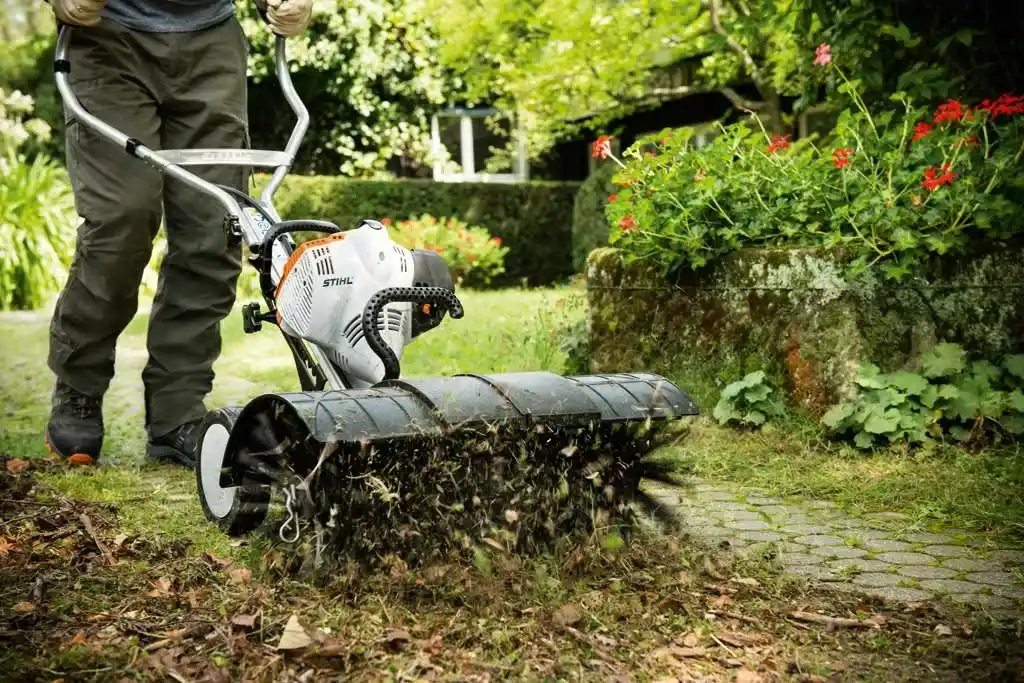
Plant services are professional services that help take care of plants in gardens, homes, offices, and outdoor spaces. These services focus on keeping plants healthy, green, and growing the right way. Plant care can include planting, pruning, watering, soil improvement, pest control, and full garden maintenance. In simple words:Plant services help your plants live longer, grow better, and look neat every day. Many people choose plant services because they want a clean and healthy garden but may not have the time, tools, or plant knowledge to handle everything on their own. Why Plant Services Matter Plants need proper care to stay alive and look fresh. Without the right care, plants can get dry, weak, or attacked by pests. Plant services help prevent these problems and keep your garden or indoor plants looking great. Plant services matter because they: A well-cared garden or plant area adds peace, beauty, and value. Main Parts of Plant Services Plant services cover many tasks that help different plants stay strong and grow well. Below are the most common parts of plant care. 1. Planting Services Planting services help place new plants in the right spot. Experts choose plants that match the light, soil, and weather conditions of the area. Planting services include: Good planting creates a strong base for future growth. 2. Pruning and Trimming Pruning means cutting dead or extra parts of a plant. Trimming helps shape the plants so they look neat. These services include: Regular pruning helps plants stay healthy and look beautiful. 3. Watering and Irrigation Care Watering is important, but many plants die from too much or too little water. Plant services help create the right watering plan. Watering care may include: Balanced watering keeps plants fresh, green, and strong. 4. Soil Testing and Soil Treatment Soil quality affects plant growth. If the soil is weak, plants cannot grow properly even with water and sunlight. Soil services include: Healthy soil creates strong roots and supports steady growth. 5. Pest and Disease Control Plants often get attacked by pests and diseases. These problems can spread quickly and damage plants. Plant care experts help by: Early pest control can save plants from big damage. 6. Seasonal Plant Care Plants need different care during different seasons. Some plants grow better in warm weather, while others need protection in cold temperatures. Seasonal care includes: Seasonal services keep plants healthy throughout the year. 7. Tree Care Services Trees also need proper care. Tree services focus on improving plant strength, shape, and overall health. Tree care includes: Healthy trees make any garden look clean and strong. 8. Flower Bed Design and Care Flower beds need planning and regular care to stay bright and beautiful. This service includes: A beautiful flower bed adds colour and life to any space. 9. Weed Control and Garden Cleaning Weeds grow fast and steal nutrients from healthy plants. They also make gardens look messy. Weed control includes: Regular cleaning makes your whole garden look neat. 10. Indoor Plant Care Many people keep indoor plants in homes or offices. Indoor plant services help maintain these plants easily. Indoor services include: Indoor plants improve air quality and make any room feel fresh. Who Needs Plant Services? Plant services are helpful for: Anyone who wants healthy, green plants can benefit. Benefits of Using Plant Services Hiring plant professionals brings many benefits. 1. Saves Time No need to spend hours trimming, watering, or cleaning the garden. 2. Healthier Plants Plants grow better when cared for by trained professionals. 3. Tidy Outdoor Space A clean and well-shaped garden improves the look of any place. 4. Early Problem Detection Experts find diseases or pests early and stop them from spreading. 5. Increases Property Appeal A well-maintained garden increases beauty and value. Conclusion Plant services make plant care simple and stress-free. Whether you need planting, pruning, watering, soil treatment, pest control, or full garden care, these services help your plants stay healthy and strong. Good plant care leads to cleaner, greener, and more beautiful outdoor and indoor spaces.
How to Divide a Long Narrow Garden: Simple Ideas Anyone Can Use

A long narrow garden can feel tight, empty, or difficult to design. Many people struggle with layout because the space looks stretched or too linear. But with the right ideas, you can turn a narrow garden into a beautiful, inviting space that looks wider, balanced, and easy to enjoy. This guide explains simple ways to divide a long narrow garden into sections. These steps help you create zones, add depth, improve privacy, and make your garden look more open and useful. Why Divide a Long Narrow Garden? Dividing a narrow garden helps change how the space feels. Instead of looking like one long path, it becomes a set of small, interesting areas. Benefits of dividing your garden A divided garden feels more like an outdoor room than just a long strip of land. Step 1 – Plan Your Garden Zones Before you start designing, think about what you want from your garden. Common zones you can create Mark each zone on paper. This helps you understand the layout before changing anything. Step 2 – Use Pathways to Break Up the Space A path can completely change how a narrow garden looks. It directs movement and creates natural divisions. Pathway ideas A winding path makes the garden feel wider and more interesting because the eye follows the curves instead of the length. Step 3 – Add Small Garden Structures Structures break up long lines and create separation between areas. Simple structure ideas You do not need large or heavy structures. Even a single arch or wooden screen can divide space beautifully. Step 4 – Use Plants to Create Natural Dividers Plants are one of the easiest and most attractive ways to divide a garden. Ways plants can divide space Plants not only divide the garden but also add colour, texture, and movement. Step 5 – Create Different Levels Changing heights helps remove the “tunnel effect” that narrow gardens often have. Level ideas Even a small change in height can make your garden look wider and more dynamic. Step 6 – Use Focal Points to Guide the Eye A focal point gives direction and reduces the feeling of a long stretch. Good focal points include Place focal points at angles or mid-points, not at the very end, to improve balance. Step 7 – Add Seating Areas in Sections Seating makes the space useful and breaks the length. Seating ideas Multiple small seating spots help divide the garden without closing it off completely. Step 8 – Use Colour to Separate Zones Colour can change how each area feels. Try using Colour adds personality and helps each zone stand out. Step 9 – Add Lighting to Highlight Different Areas Lighting is a simple way to divide the garden at night and guide movement. Lighting options Good lighting makes your garden look larger and more welcoming. Step 10 – Use Horizontal Lines Instead of Vertical Lines Vertical lines make narrow gardens look even narrower. Instead, use horizontal elements to widen the space. How to widen the look This trick changes the way your eye sees the garden, making it feel broader. Step 11 – Break the Garden into “Rooms” Creating outdoor rooms is one of the best ways to divide a narrow garden. Outdoor rooms can include Use screens, planters, or low hedges to form each room. Step 12 – Build Raised Beds for Structure Raised beds add shape, height, and depth to narrow gardens. Benefits of raised beds They also help prevent soil erosion and keep pathways tidy. Step 13 – Add Curves to Soften Straight Lines Long narrow gardens often look too linear. Curves soften the space and make it feel wider. Where to add curves Curved lines add movement and create a natural flow. Step 14 – Include Privacy Screens Privacy screens help divide spaces while giving you a peaceful escape. Good privacy screen options These screens help turn each zone into a private mini-space. Step 15 – Keep the Back of the Garden Simple The back area should not feel crowded or heavy. A simple design at the end creates a sense of calm and balance. Ideas for the back end of the garden A calm end point gives your garden a finished, tidy look. Common Mistakes to Avoid Avoid these mistakes when dividing a long narrow garden: Small adjustments can fix these issues easily. FAQs About Dividing a Long Narrow Garden How can I make a narrow garden look wider? Use curves, horizontal lines, wide beds, and multiple zones to create the illusion of width. What is the best way to divide a long garden? Use screens, pathways, raised beds, and different levels to create separate areas. Should I use tall fences in a narrow garden? Avoid tall fences along both sides. Use softer elements like hedges or plants instead. Can I have a lawn in a long narrow garden? Yes. Keep the lawn small and shape it with curves for a wider look. Do multiple seating areas help? Yes. Several small seating spots break up the space and improve flow. Conclusion A long narrow garden does not have to feel tight or boring. With simple design ideas like pathways, zones, screens, plants, and curves, you can turn it into a beautiful, balanced garden full of character. The key is to break the space into smaller sections, add height changes, and use elements that guide the eye naturally. With a little planning and creativity, your narrow garden can become one of the most beautiful spaces in your home.
How to Build a Garden Office: A Simple Step-by-Step Guide
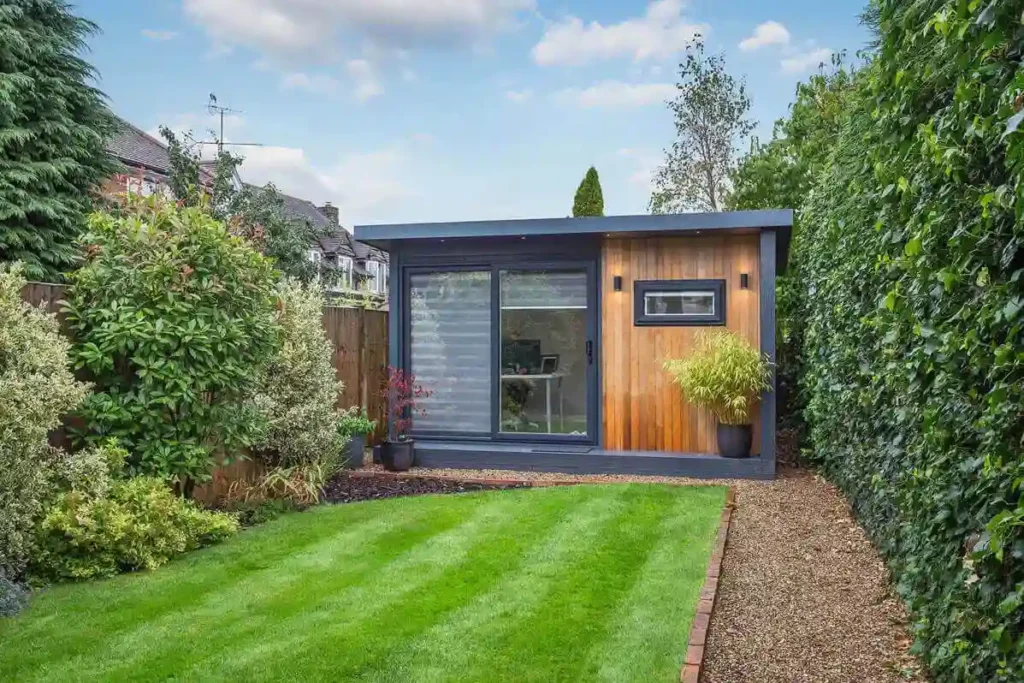
A garden office is a great way to create a quiet, private space right in your backyard. It helps you work without noise, gives you more room, and increases the value of your home. You do not need to be a builder to create one. With the right plan and simple steps, anyone can build a comfortable and functional garden office. This guide explains how to build a garden office in an easy and beginner-friendly way. By the end, you’ll know everything—from planning to construction to the final setup. Why Build a Garden Office? A garden office offers many benefits, especially if you work from home or run a small business. It provides: A garden office is also cheaper than home extensions and can be customized for your needs. Step 1 – Choose the Best Location Before building, choose the right spot in your garden. This will affect comfort, light, and the overall look. What you should look for A well-placed office will feel comfortable and inviting. Step 2 – Check Planning Rules In many cases, small garden buildings do not need planning permission, but it depends on size and height.Always check local rules before starting. Common rules to keep in mind Checking rules early avoids problems later. Step 3 – Decide Your Office Design Your garden office design depends on your style, space, and purpose. Popular garden office styles Think about how much space you need and what you’ll use it for. Step 4 – Prepare the Foundation A strong foundation keeps your garden office safe, stable, and long-lasting. Foundation options Concrete is strongest, while timber bases are easier for beginners. Make sure the ground is level before installing the base. Step 5 – Build the Office Structure Once the foundation is ready, you can start building the structure of your garden office. Frame construction Most garden offices use: Timber is popular because it is strong, natural, and easy to work with. Wall installation Attach: Insulation is important to keep the office comfortable year-round. Step 6 – Add Windows and Doors Windows bring natural light into your office, making it bright and welcoming. Doors should be secure and weather-proof. Tips for choosing windows A strong door keeps your office safe and dry. Step 7 – Install the Roof A good roof protects your building from rain, wind, and cold weather. Roof types Make sure the roof has proper drainage so water does not collect on top. Step 8 – Add Insulation and Soundproofing Insulation keeps your garden office warm in winter and cool in summer. Types of insulation If you work online or attend meetings, soundproofing makes the space quiet and professional. Step 9 – Electrical Setup A garden office needs electricity for lights, heating, computer, and charging devices. Electrical essentials Always hire a professional for electrical work. Step 10 – Interior Design and Setup Now comes the fun part—making your space comfortable. Furniture ideas Make your office a place where you love to work. Step 11 – Heating and Cooling Your garden office should be comfortable in every season. Options A consistent temperature helps you focus and work smoothly. Step 12 – Add Exterior Finishing The outside of your office should look neat and match your garden design. Exterior finishing ideas A clean exterior makes your garden office look beautiful and welcoming. Step 13 – Connect Internet and Wi-Fi Stable internet is important for work, video calls, and online tools. Ways to connect Choose the method that gives the best signal strength. Step 14 – Maintain Your Garden Office Regular maintenance keeps your garden office in good condition for years. Simple maintenance tips A well-maintained office stays strong and safe. Common Mistakes to Avoid Avoid these mistakes when building your garden office: Correct planning saves money and time. FAQs About Building a Garden Office Do I need planning permission? Most small garden offices do not need permission, but always check local rules. How long does it take to build a garden office? A simple office can take 1–2 weeks. More complex designs take longer. Can I use a garden office all year? Yes, if you add good insulation and heating. Can a beginner build a garden office? Yes. Many designs are beginner-friendly and use simple tools. How big should a garden office be? It depends on your work needs. A small 3m x 3m office works for most people. Conclusion Building a garden office is a smart and practical way to create extra space without major construction work. With the right plan, good materials, and simple steps, you can build a comfortable and productive workspace in your garden. Whether you use it for work, study, or hobbies, a garden office can improve your daily life and add value to your property.