
What Is the Job of a Landscaper?
The job of a landscaper is to design, build, improve, and maintain outdoor spaces such as gardens, yards, parks, and commercial areas. Landscapers work with both plants and structures to make outdoor areas look beautiful, safe, and useful. A landscaper does much more than just cutting grass. Their work includes planning garden layouts, planting trees and flowers, building patios and paths, installing irrigation systems, and keeping outdoor spaces healthy and attractive all year. This article explains what landscapers do, what services they provide, the skills they need, and why their job is important. What Does a Landscaper Do? A landscaper is a professional who works on outdoor land areas. Their job includes both creative design and physical work. Main Responsibilities of a Landscaper Landscapers work on homes, offices, parks, hotels, schools, and public spaces. Types of Landscaping Work Landscaping is divided into different areas. A landscaper may specialize in one or handle many tasks. 1. Garden Design Landscapers plan how a garden will look and function. This includes choosing plants, layout, and materials. 2. Soft Landscaping This involves living elements: 3. Hard Landscaping This involves solid structures: 4. Garden Maintenance Regular care to keep gardens healthy: Daily Tasks of a Landscaper A landscaper’s daily job can change based on the season and project. Common Daily Duties Landscaping is active, hands-on work. Where Do Landscapers Work? Landscapers work in many places, including: They work outdoors in different weather conditions. Skills Needed to Be a Landscaper A good landscaper needs both physical and creative skills. Important Landscaping Skills Good communication with clients is also important. Why Is the Job of a Landscaper Important? Landscapers improve how outdoor spaces look and function. Benefits of Landscaping Work Well-maintained landscapes also improve mental well-being. Does a Landscaper Design Gardens? Yes. Many landscapers help design gardens, especially for homes and small projects. Larger designs may involve landscape designers or architects, but landscapers often help bring designs to life. Does Landscaping Add Value to Property? Yes. Landscaping can increase property value by 5% to 20%. Buyers are attracted to clean, organized, and well-designed outdoor spaces. Is Landscaping a Skilled Job? Yes. Landscaping requires knowledge, training, and experience. Understanding plants, soil, drainage, and construction takes time to learn. Tools Used by Landscapers Landscapers use many tools, such as: Proper tool use improves safety and efficiency. Can Landscaping Be a Career? Yes. Landscaping offers long-term career opportunities. Landscapers can: It is a growing industry due to demand for outdoor living spaces. Difference Between Landscaper and Gardener Many people confuse these roles. Landscaper Gardener Both roles are important. FAQs What is the main job of a landscaper? The main job of a landscaper is to design, build, and maintain outdoor spaces using plants and structures. What services do landscapers provide? Landscapers provide garden design, planting, lawn care, patio installation, drainage, and maintenance services. Is landscaping hard work? Yes. Landscaping involves physical labor, outdoor work, and the use of tools and machinery. Do landscapers need qualifications? Formal qualifications are helpful but not always required. Skills and experience are very important. What is the difference between landscaping and gardening? Landscaping includes design and construction, while gardening focuses on plant care and maintenance. Do landscapers work year-round? Yes, although tasks change by season. Winter often involves planning and maintenance. Can landscaping increase home value? Yes. Professional landscaping improves curb appeal and can increase property value. Is landscaping a good career choice? Yes. Landscaping offers steady work, creativity, and opportunities to grow a business. Do landscapers design gardens themselves? Many landscapers help design gardens, especially for residential projects. What tools do landscapers use? They use lawn mowers, trimmers, shovels, power tools, and irrigation equipment. Conclusion The job of a landscaper is to create and care for outdoor spaces that are beautiful, functional, and long-lasting. Landscapers combine creativity, physical work, and technical skills to transform land into enjoyable environments. From planting gardens to building patios, their work adds value, improves living spaces, and makes communities greener. Whether for homes or businesses, landscapers play an important role in shaping the outdoor world.
What Is Hard Landscaping?
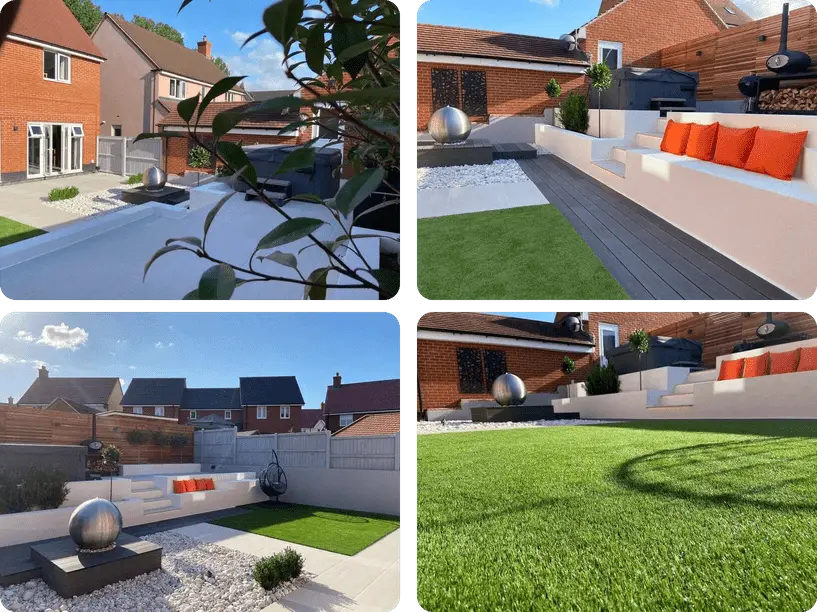
Hard landscaping is the part of garden and outdoor design that uses solid, non-living materials to shape and build outdoor spaces. It includes things like patios, paths, walls, steps, fences, decks, and driveways. These features give a garden its structure, layout, and strength. While plants and grass bring life and color, hard landscaping creates the foundation that holds everything together. Without hard landscaping, a garden can look messy, be hard to use, and suffer from drainage or erosion problems. In this guide, you’ll learn what hard landscaping is, why it matters, what it includes, and how it is different from soft landscaping. What Does Hard Landscaping Mean? Hard landscaping (also called hardscaping) means building outdoor features using materials that do not grow or change naturally. These materials stay in place for many years and give the garden shape and order. Hard landscaping focuses on: Examples include stone patios, concrete paths, brick walls, wooden decks, and gravel driveways. What Is Included in Hard Landscaping? Hard landscaping includes many outdoor construction elements. These features help define how a garden looks and how people move through it. Common Hard Landscaping Features Each feature has a purpose and improves how the garden works. Why Is Hard Landscaping Important? Hard landscaping plays a very important role in outdoor design. It is often done before planting because it creates the base of the garden. Key Benefits of Hard Landscaping A garden with good hard landscaping lasts longer and stays tidy. Hard Landscaping vs Soft Landscaping Many people confuse hard landscaping with soft landscaping, but they are different. Hard Landscaping Soft Landscaping Both are important, but hard landscaping comes first because it supports everything else. Materials Used in Hard Landscaping Different materials are used depending on the style, budget, and climate. Stone Concrete Brick Wood Gravel Choosing the right material improves durability and appearance. Types of Hard Landscaping Projects Hard landscaping can be small or large depending on your needs. Small Projects Medium Projects Large Projects All projects should start with a plan. When Should Hard Landscaping Be Done? Hard landscaping should always be done before planting. This is because: Once hard landscaping is finished, soft landscaping is added. Does Hard Landscaping Add Value to a Home? Yes. Hard landscaping can significantly increase property value. Why Buyers Like Hard Landscaping A well-designed hard landscape can increase home value by 5% to 20%, depending on quality and location. Is Hard Landscaping Expensive? Cost depends on: Ways to Reduce Cost Hard landscaping is an investment that lasts many years. Can You Do Hard Landscaping Yourself? Yes, many hard landscaping tasks are DIY-friendly. Good DIY Hard Landscaping Jobs However, complex projects like large retaining walls or drainage systems may need professionals. Common Hard Landscaping Mistakes Avoid these mistakes to ensure success: Good planning prevents expensive repairs later. Hard Landscaping Design Tips A balanced design always looks better. FAQs What is hard landscaping in simple words? Hard landscaping means building garden features using solid materials like stone, wood, or concrete. What is the difference between hard and soft landscaping? Hard landscaping uses non-living materials like patios and walls, while soft landscaping uses plants, grass, and trees. Is a patio hard landscaping? Yes. Patios are one of the most common hard landscaping features. Does hard landscaping include fencing? Yes. Fences, walls, and boundaries are part of hard landscaping. Should hard landscaping be done before planting? Yes. Hard landscaping should always be completed before soft landscaping. Is gravel considered hard landscaping? Yes. Gravel paths, driveways, and areas are hard landscaping elements. Does hard landscaping need maintenance? Yes, but much less than soft landscaping. Occasional cleaning and repairs are enough. Can hard landscaping increase home value? Yes. Well-planned hard landscaping can significantly increase property value. Is hard landscaping permanent? Most hard landscaping features are long-lasting, but some can be changed or upgraded later. Can beginners do hard landscaping? Yes. Many simple projects are suitable for beginners with basic tools. Conclusion Hard landscaping is the backbone of any well-designed garden. It uses solid materials to create structure, improve usability, control drainage, and add long-term value. From patios and paths to walls and decks, hard landscaping shapes how a garden looks and works. When combined with soft landscaping, it creates a balanced outdoor space that is beautiful, practical, and long-lasting. Whether you are planning a small DIY project or a full garden redesign, understanding hard landscaping is the first step to success.
How to Landscape Your Front Garden
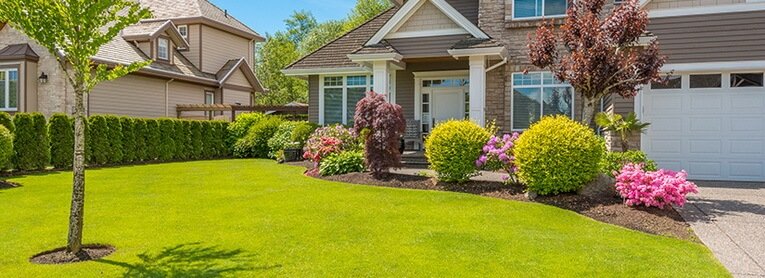
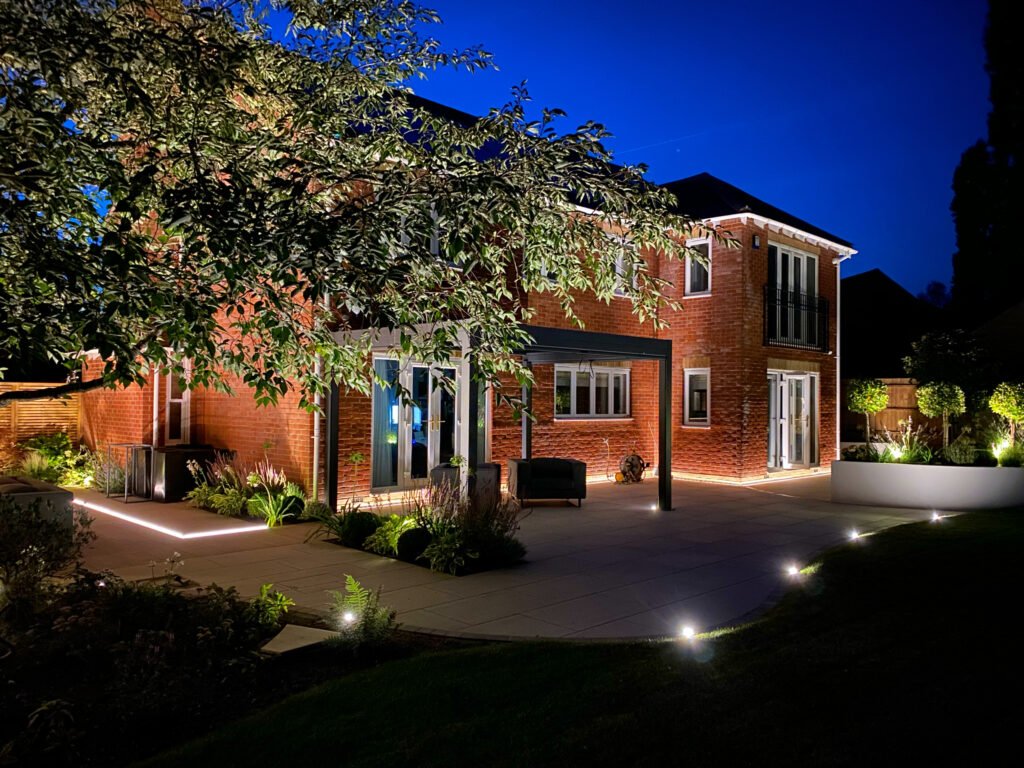
Your front garden is the first thing people see when they visit your home. A well-landscaped front garden makes your house look welcoming, clean, and attractive. It also increases your home’s value and creates a pleasant outdoor space. You do not need a big budget or professional skills to landscape your front garden. With good planning and simple ideas, you can create a beautiful front garden that looks neat all year. This guide explains how to landscape your front garden step by step in a clear and easy way. Why Landscaping Your Front Garden Is Important Landscaping your front garden has many benefits: Even small improvements can make a big difference. Step 1: Look at Your Front Garden Space Before starting, take time to understand your front garden. Check these things: Write down what you like and what needs improvement. Step 2: Decide a Simple Garden Style Choosing a style makes planning easier. Popular front garden styles include: Simple and Clean Flower Garden Style Low-Maintenance Garden Modern Front Garden Pick one style to keep the garden looking balanced. Step 3: Plan the Layout A good layout keeps the garden organized. Include: Draw a simple sketch showing where each element will go. Step 4: Create or Improve Pathways A clear path helps visitors reach your door easily. Path materials: Make sure the path is wide, safe, and straight or gently curved. Step 5: Prepare the Soil Healthy soil helps plants grow well. Soil preparation steps: Good soil means less plant problems later. Step 6: Choose the Right Plants Choose plants that suit your climate and garden size. Best plants for front gardens: Shrubs Flowers Ground Covers Small Trees (if space allows) Avoid plants that grow too large or messy. Step 7: Plant in Layers Layering makes your garden look neat and full. Group plants in small clusters instead of single plants. Step 8: Add Mulch or Decorative Stones Mulch keeps the garden clean and healthy. Benefits of mulch: You can use: Step 9: Add Edging for a Clean Look Edging separates the lawn from flower beds. Edging materials: Edging gives your front garden a professional look. Step 10: Improve the Lawn or Replace It A healthy lawn improves curb appeal. Options: If you choose grass, keep edges trimmed. Step 11: Add Lighting Lighting makes your front garden look beautiful at night. Lighting ideas: Lighting also improves safety. Step 12: Keep Maintenance Simple Front gardens should be easy to maintain. Maintenance tips: Simple care keeps the garden fresh. Common Front Garden Landscaping Mistakes Avoid these common errors: Keeping things simple works best. Front Garden Landscaping Ideas for Small Spaces If your front garden is small: Small gardens can still look beautiful. How Much Does It Cost to Landscape a Front Garden? Costs depend on size and design. Average costs: Using DIY methods helps reduce costs. Does Landscaping a Front Garden Add Value? Yes. A well-designed front garden: Many buyers decide within seconds based on the front view. Conclusion Landscaping your front garden is one of the best ways to improve your home’s appearance. With simple planning, the right plants, and clean design, you can create a welcoming front garden that looks great all year. Start small, keep it tidy, and choose easy-care plants. Over time, your front garden will grow more beautiful and add real value to your home.
How to Landscape a Flower Garden

Landscaping a flower garden is one of the easiest and most enjoyable ways to make your outdoor space look beautiful. A flower garden adds color, life, and shape to your home. You can design one even if you are a complete beginner. With the right steps, planning, and simple ideas, anyone can create a lovely flower garden that blooms all year. This guide explains, step by step, how to landscape a flower garden in a simple and clear way. What Is a Flower Garden? A flower garden is an area where different types of flowers are planted together in a planned design. It may include: A flower garden can be small or large. It can have simple rows or complex shapes. The key is good planning and choosing the right flowers for your climate and soil. Why Landscape a Flower Garden? A flower garden has many benefits: Good landscaping helps flowers grow better and look more organized. Steps to Landscape a Flower Garden Below is a simple method for landscaping a flower garden from start to finish. Step 1: Choose the Right Location Flowers need sunlight. Most flowers need 6 or more hours of sun each day. Before choosing a spot, check: Sunlight Is the area sunny, partly shaded, or fully shaded? Soil type Is your soil sandy, clay, or loamy? Drainage Does water drain well or stay muddy? Choose a place that matches the type of flowers you want to grow. Step 2: Plan Your Garden Design A good plan makes landscaping easier. Sketch your garden Draw a simple layout showing: Think about color Use color groups such as: Add height levels A great flower garden has: This creates balance and makes all flowers visible. Step 3: Prepare the Soil Flowers grow best in healthy soil. Clear the area Remove: Improve soil quality Add: Mix these into the soil at least 15–20 cm deep. Good soil helps flowers grow strong and healthy. Step 4: Choose the Right Flowers Flower choice affects how your garden looks throughout the year. Annual flowers These bloom for one season. Examples: They give out bright colors fast. Perennial flowers These return every year. Examples: They are great for long-term garden structure. Bulbs Flower bulbs bloom in different seasons: Shrubs and evergreen plants Add structure even in winter. Choose flowers that suit your climate zone and soil. Step 5: Arrange Flowers Before Planting Before putting flowers in the ground, place the pots on the soil to see how they look. Use height layers Create color patterns Group flowers in clusters of 3–5. This looks more natural than single plants. Space plants correctly Follow spacing instructions so flowers have room to grow. Step 6: Plant the Flowers Now it is time to plant. Planting early morning or late afternoon helps prevent heat stress. Step 7: Add Mulch or Decorative Stones Mulch is very useful in flower gardens. It: Use wood mulch, bark, or pebbles depending on your style. Step 8: Add Edging for a Clean Look Edging separates your flower garden from the lawn or path. You can use: Edging helps keep soil in place and gives your garden a clean shape. Step 9: Add Pathways and Accessories Paths make it easy to walk through your garden. Use: Accessories like garden stakes, small trellises, and raised beds also improve the look. Tips for Landscaping a Beautiful Flower Garden Use a mix of colors and textures Different flower shapes and leaf styles make the garden interesting. Choose flowers with different bloom times This keeps your garden colorful all year. Water regularly Most gardens need watering at least 2–3 times a week. Deadhead old flowers Removing dead flowers helps new ones grow. Avoid overcrowding Give each plant space to grow. Common Mistakes to Avoid Avoiding these mistakes helps your garden last longer. FAQ About Landscaping a Flower Garden How long does a flower garden take to grow? Many annuals bloom in a few weeks. Perennials may take a season to fully develop. Can beginners landscape a flower garden? Yes. With simple planning and the right flowers, anyone can do it. Do flower gardens need a lot of maintenance? Some do. Choose low-maintenance flowers if you want easy care. What is the cheapest way to start a flower garden? Use seeds, mulch, and simple edging. Choose easy flowers like marigolds and zinnias. Conclusion Landscaping a flower garden is a simple and enjoyable project. With good planning, healthy soil, and the right flowers, you can create a bright and beautiful garden that lasts all year. Start with a clear design, plant in layers, use mulch, and care for your flowers regularly. Over time, your garden will become fuller, healthier, and more colorful.
Do It Yourself Landscape Ideas
Designing your garden on your own is easier than you may think. You do not always need a professional landscaper to make your outdoor space look beautiful. With a few simple ideas, basic tools, and a little planning, you can create a garden that looks clean, organised, and welcoming. This guide shares the best DIY landscape ideas that are affordable, simple, and great for small and large gardens. Why Try DIY Landscaping? DIY landscaping is a great way to improve your garden yourself. You save money, learn new skills, and make the garden exactly the way you want. Some benefits include: DIY projects also help you understand how your garden works, such as soil, sunlight, plants, and water needs. Beginner-Friendly DIY Landscape Ideas Below are simple and practical landscaping ideas that anyone can try. These require basic tools and little experience. 1. Create a Simple Garden Border A garden border gives your yard a neat and tidy look. You can use: Borders help separate flower beds from the lawn and keep the garden organised. 2. Add Mulch to Your Garden Beds Mulch is one of the easiest DIY improvements. It: You can use bark mulch, pine needles, dry leaves, or stones. Spread mulch around plants for an instant upgrade. 3. Use Gravel Pathways A gravel path is affordable and easy to install. It keeps shoes clean when walking on wet soil and adds structure to your garden. You only need: Create a simple walkway from your door to the garden using gravel or crushed stone. 4. Build a Small Patio or Seating Area You don’t need professional help to build a small seating area. A simple patio can be made using: Add a couple of chairs, a table, or a wooden bench to create a quiet place to relax. 5. Use Raised Garden Beds Raised beds are perfect for growing vegetables, herbs, or flowers. They keep soil healthy and make gardening easier. You can build raised beds from: They also help control weeds and improve drainage. 6. Plant Easy-to-Grow Flowers and Shrubs If you want a garden that looks good with little work, choose low-maintenance plants such as: Pick plants that grow well in your climate and soil. 7. Add Solar Garden Lights Solar lights are cheap, easy to install, and create a warm and cozy outdoor space at night. You can place them: They turn on automatically at night and require no wiring. 8. Install a Simple Water Feature A water feature adds peace and beauty to your garden. DIY options include: Many prefabricated kits are available, and setup takes only a few hours. 9. Try Vertical Gardening Vertical gardens save space and add height and interest to small areas. You can use: This is perfect for balconies, small yards, or rooftops. 10. Add Decorative Stones or Pebbles Decorative stones can be used for: They look great, control weeds, and require almost no maintenance. 11. Use Old Items as Planters DIY landscaping can also include creative ideas like using old objects, such as: Paint them if needed and plant flowers inside for a rustic look. 12. Plant a Feature Tree A single tree can transform your garden. Choose trees that grow well in your region. Popular options include: Planting one tree in the center or corner of your garden creates a strong focal point. 13. Create a Lawn Edge A clean lawn edge gives a professional look. This simple DIY task includes: You can do this in less than an hour. DIY Landscaping Tips for the Best Results Here are practical tips to help you succeed: Plan Before You Start Draw a simple sketch of your garden and mark where you want beds, paths, seating, and plants. Start with One Area Do not try to complete the whole garden at once. Pick one small section and finish it. Choose Low-Maintenance Plants Native plants usually need less water and care. Use Simple Materials Gravel, mulch, stones, and wood are affordable and easy to use. Reuse and Recycle Old pallets, bricks, containers, and pots can be turned into garden features. Keep Paths Clear Plan walkways so the garden feels open and easy to move around. Common Mistakes to Avoid Here are mistakes many beginners make: Avoiding these mistakes saves you time and money. FAQs About DIY Landscaping Is DIY landscaping expensive? No. You can start with small projects that cost very little. Many ideas use affordable materials. Do I need special tools? Basic tools like a shovel, rake, pruners, and gloves are enough for most DIY projects. Can I landscape a small garden myself? Yes. Small gardens are easier and cheaper to landscape on your own. How long does DIY landscaping take? It depends on garden size. Small projects can be finished in a day or weekend. Conclusion DIY landscaping is a simple and rewarding way to create a beautiful garden without hiring professionals. With ideas like gravel paths, raised beds, mulching, solar lights, and vertical gardening, you can transform your outdoor space step-by-step. Start with easy projects, use affordable materials, and build your garden in your own style.
What Do Landscape Gardeners Do?
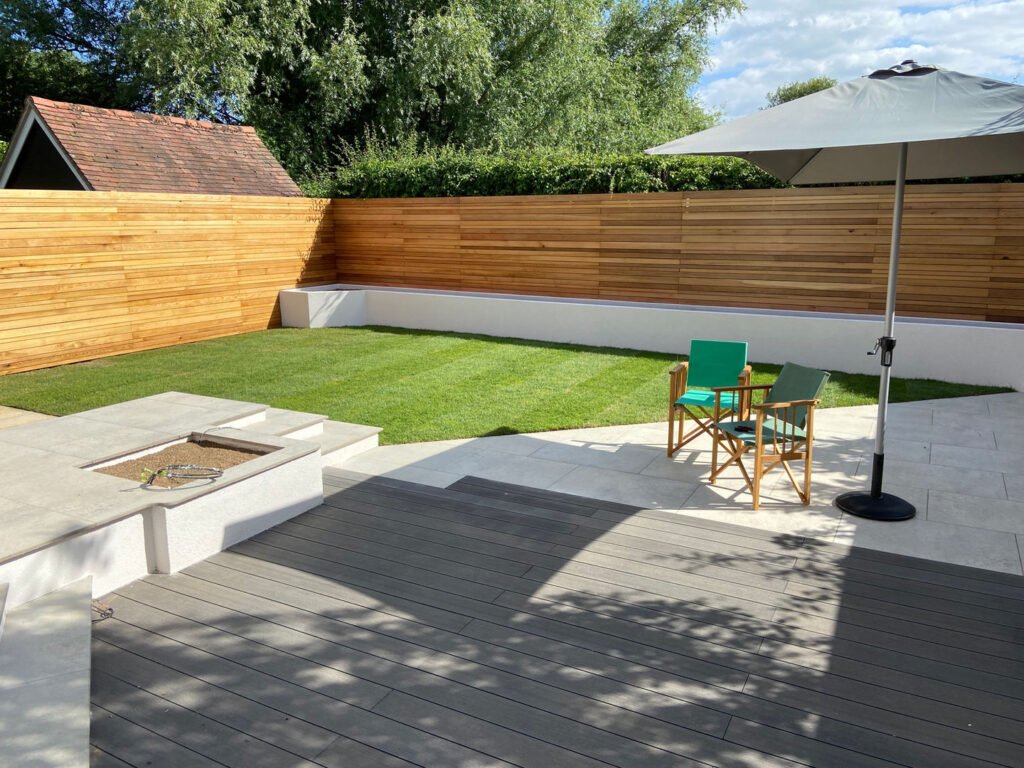
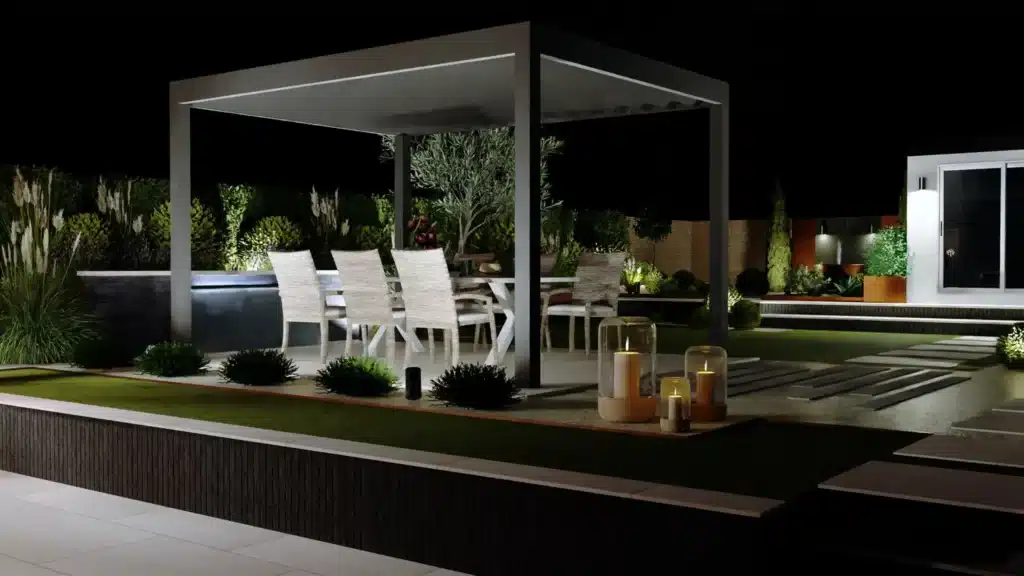
Landscape gardeners are professionals who design, build, and look after outdoor spaces. Their work helps turn a garden, lawn, yard, or any outdoor area into a beautiful, useful, and enjoyable space. They improve how a property looks, make outdoor areas easier to use, and increase the value of a home or business. Landscape gardeners work in homes, parks, schools, hotels, and commercial areas. Their services can include design, planting, lawn care, hard landscaping, maintenance, and outdoor features. The role combines gardening knowledge, design skills, and practical building work. This guide explains what do landscape gardeners do, the services they offer, how they work, and the tools and skills they need. What Is a Landscape Gardener? A landscape gardener is a trained professional who creates and maintains outdoor spaces. They may work alone or as part of a landscaping company. Their job can include planning, building, planting, or taking care of gardens and outdoor environments. Landscape gardeners understand:Plants and how they growSoil and ground conditionsOutdoor design planningTools and machineryHard and soft landscapingGarden maintenance needs They work with clients to understand what they want, then design and build a garden that fits the space and lifestyle. What Services Do Landscape Gardeners Provide? Landscape gardeners carry out many different tasks. Their services can be divided into two main categories:Soft landscapingHard landscaping Let’s look at each in detail. Soft Landscaping Soft landscaping refers to everything natural and living in a garden. Planting Landscape gardeners choose the right plants for the garden based on:ClimateSoil typeLightMaintenance needsStyle preferences They plant trees, shrubs, flowers, hedges, and ground cover to create a balanced and attractive garden. Turfing and Lawns Landscape gardeners:Lay new turfRepair damaged lawnsImprove soil underneathInstall artificial grass (if requested) They know which grass types perform best in different conditions. Creating Flower Beds and Borders They design and build planting beds that include colors, textures, and seasonal interest. Beds can be formal, modern, natural, or wildlife-friendly. Garden Care and Maintenance Many landscapers provide ongoing maintenance, including:Lawn mowingWeedingPruningHedge trimmingFertilizingPest and disease control This keeps the garden healthy and attractive all year. Hard Landscaping Hard landscaping includes built features made from non-living materials such as wood, concrete, metal, or stone. Patios A patio creates a usable outdoor living space for:DiningSeatingEntertainingBarbecues Gardeners can build patios from stone, concrete, brick, or paving slabs. Decking Landscape gardeners install wooden or composite decks to add raised platforms and level space in sloping gardens. Fences and Walls Fences and walls provide privacy, improve security, and define boundaries. Gardeners choose materials such as wood, brick, or stone to match the property. Paths and Walkways Paths make a garden easier to move through. They may be made of:GravelStoneBrickPaversStepping stones Garden Structures Some landscape gardeners build or install:PergolasArborsGazebosRaised bedsGarden shedsGreenhouses Water Features They may also install:FountainsPondsStreamsWaterfalls These features add relaxation and visual interest to a garden. Do Landscape Gardeners Design Gardens? Yes. Many landscape gardeners offer professional garden design services. This process may include: Site Survey They measure the garden, check the soil, look at drainage, and note light and shade areas. Client Consultation They discuss:Style preferencesBudgetSpace needsPlant choicesMaintenance level Garden Plans They may create drawings, digital plans, or 3D visual designs showing:Plant layoutGarden structureHardscapingLightingPathwaysSeating areasWater features Good design makes sure the garden looks beautiful and is easy to use. What Tools Do Landscape Gardeners Use? Landscape gardeners use many tools, including: Hand Tools SpadesShovelsTrowelsSecateursPrunersForksRakes Power Tools Lawn mowersStrimmersLeaf blowersHedge trimmersChainsawsGarden tillers Construction Tools Cement mixersWheelbarrowsLevelsLaser measurementsCompactors These tools help them build and maintain gardens efficiently. Where Do Landscape Gardeners Work? Landscape gardeners work in:Private homesNewly built housing estatesParksSchools and universitiesOfficesHotelsPublic rooftopsCommercial sitesLarge estatesWildlife or nature gardens Their skills are needed anywhere outdoor space must be designed and maintained. Skills a Landscape Gardener Needs A landscape gardener needs a mix of technical, creative, and practical skills. Plant Knowledge Understanding plant behavior, seasonal changes, growth needs, and maintenance requirements. Practical Construction Skills Building:WallsPathsFencesDecksPatios Design Skills Working with:Space planningColor combinationsBalance and proportionGarden layout Physical Strength The job can involve:Heavy liftingDiggingMoving materials Customer Service Listening to clients and helping them create the garden they want. Benefits of Hiring a Landscape Gardener Hiring a professional gardener provides many advantages: Better Results They know how to shape a garden so everything works well together. Saves Time A homeowner can spend days or weeks on projects that a professional can finish in hours. Improves Property Value Good landscaping increases curb appeal and can raise home resale value. Long-Lasting Garden Professional planting and construction ensure that the garden grows well and lasts for many years. Reduced Maintenance Choosing the right plants and layout can make the garden easier to care for. Frequently Asked Questions Do landscape gardeners cut grass? Yes. Most offer lawn mowing and full lawn care services as part of garden maintenance. Do landscape gardeners need qualifications? Some landscapers learn through training or courses, while others gain skills through hands-on experience. Many start as apprentices. Can a landscape gardener design a garden from scratch? Yes. They can survey the area, plan the design, choose plants, and build the entire garden. Is a landscape gardener the same as a landscape architect? No. A landscape architect usually has formal university qualifications and works on larger projects like parks or commercial developments. A landscape gardener focuses more on residential and hands-on garden work. Conclusion Landscape gardeners play an important role in designing, building, and maintaining outdoor spaces. They create gardens that look attractive, work well, and add value to a property. Their work can range from planting and lawn care to building patios, paths, fences, and outdoor structures. With skills in both design and construction, landscape gardeners help transform any outdoor space into a place that is enjoyable, practical, and long-lasting.
Does a Landscaped Garden Add Value?

Buying a home is not only about the rooms inside. Many buyers also look at the outdoor space. A landscaped garden can make a house feel more attractive, comfortable, and complete. But the real question is: Does landscaping increase property value? The short answer is yes. A well-designed garden can improve the look of your home, make it more enjoyable to live in, and increase its market value. In fact, landscaping is one of the few home improvements that can add value immediately and continue to increase value over time. In this article, we’ll explain how landscaping adds value, what buyers look for, and what types of garden improvements give the best return on investment. What Is a Landscaped Garden? A landscaped garden is an outdoor space that has been carefully planned and designed. It may include: A landscaped garden looks beautiful, feels organized, and makes the outdoor space more usable and enjoyable. Does Landscaping Really Add Value to a Home? Yes, it does. Many studies around the world show that landscaping can increase home value by 5% to 20%, depending on the quality of design and the local market. Why so much? Because buyers see a landscape garden as: A house with a neat garden often sells faster and for a better price. Why Buyers Love a Landscaped Garden When someone looks at a house for sale, the garden is often the first thing they see. A clean, green, and planned garden creates an emotional connection. Here’s what buyers notice: 1. Curb Appeal A well-kept front garden makes the home look attractive from the street. It immediately feels welcoming and cared for. 2. Outdoor Living Space People love sitting outside in nice weather. A patio, lawn, or seating area makes the garden feel like an extra “room.” 3. Low Maintenance A professionally planned garden needs less work. Buyers love this because they can enjoy the outdoors without spending hours maintaining it. 4. Privacy Trees and hedges can create natural privacy walls, making the home feel more peaceful and secure. 5. More Usable Space Terraces, paths, lawns, and decks give the garden structure—people can walk, sit, eat, play, or relax comfortably. These benefits make buyers willing to pay more for a house with a landscaped garden. Types of Landscaping That Add the Most Value Not all garden improvements give the same return. Here are the top projects that increase property value most effectively. 1. Professional Garden Design A good layout makes the garden both beautiful and functional. A professional landscape plan usually results in a higher home value because every area has a purpose: Even a small garden looks impressive when designed well. 2. Patio or Outdoor Seating Area An outdoor seating space, such as: Is one of the highest-return landscaping upgrades. Most home buyers today want outdoor spaces for: This instantly makes the house feel larger and more livable. 3. A Well-Maintained Lawn A green, healthy lawn is simple but powerful. It makes the whole property look neat and fresh. A poor lawn, on the other hand, makes the home look neglected. 4. Garden Lighting Lighting adds value in several ways: Simple solar lights can achieve this without high costs. 5. Trees and Quality Plants Trees add long-term value because they: Homes with mature trees often sell for more. 6. Water Features A small fountain, pond, or waterfall adds beauty and peaceful sound to the garden. Buyers see water features as luxurious additions—but they should be low-maintenance. 7. Retaining Walls and Terraces If the garden is sloped, adding: Creates usable flat spaces. This makes uneven land much more valuable and attractive. Landscaping vs. Indoor Renovations Most indoor renovations lose value over time as styles change. Landscaping is different—plants grow and the garden matures, often becoming more valuable every year. A 3-year-old garden usually looks better than the day it was installed. Things That Reduce Garden Value Some outdoor features can hurt value instead of helping. Common mistakes include: The goal is a landscape that is beautiful, but also practical and easy to maintain. Tips for Maximizing Garden Value Here are simple ways to get the best return: 1. Keep the Front Garden Clean First impressions matter. Neat hedges, a tidy lawn, and simple flowers can improve value instantly. 2. Add Night Lighting Even basic lighting adds visual drama, improves safety, and increases evening usability. 3. Use Native Plants Native plants: This helps the garden stay beautiful year-round. 4. Include Seating Areas Buyers love gardens that feel like outdoor living rooms. 5. Don’t Overcrowd Plants Too many plants can make the garden look chaotic and hard to manage. Balance is key. Do DIY Gardens Add Value? Yes as long as: DIY landscaping saves money, but if mistakes are visible (crooked walls, uneven patios, messy beds), it can lower value instead of increasing it. Do Buyers Care About Gardens? More than ever. Many home buyers today value: A landscaped garden checks all these boxes. For families with children or pets, it becomes even more desirable. FAQs 1. Does landscaping really increase home value? Yes. Landscaping can increase property value by 5% to 20% depending on design quality, maintenance, and market demand. 2. What landscaping features add the most value? Patios, seating areas, mature plants, lighting, neat lawns, and strong front garden design provide the highest return on investment. 3. Why does landscaping increase resale value? A landscaped garden improves curb appeal, expands usable living space, and makes the home feel well cared for, which attracts more buyers. 4. Is landscaping worth the cost? Yes. Landscaping is one of the few home improvements that continues to grow in value over time as plants mature and gardens develop. 5. Do buyers care about gardens? Most buyers today look for outdoor living spaces where they can relax, entertain, and enjoy nature, making landscaped gardens highly desirable. Conclusion So, does a landscaped garden add value? Absolutely. A well-designed outdoor space: Whether you invest in simple lawn improvements or a full professional design, landscaping is
How to Landscape a Sloping Garden

Managing a sloping garden can feel a little tricky, but with the right ideas and design, it can become one of the most beautiful pieces of your home. Instead of viewing the slope as a problem, see it as a way to create layers and steps with unique views, offering what flat gardens can’t. In this guide, you will learn to landscape a sloped garden step by step, from design ideas and retaining wall construction to planting and drainage. What Is a Sloping Garden? A sloping garden is a piece of land that slopes rather than being level. You could have: Sloping beds can make planting and mowing more difficult. With some creative landscaping, a slope will always look stunning and natural. Why Landscape a Sloping Garden? There are plenty of reasons to landscape a slope. It helps prevent soil erosion, improves drainage, and generally makes your garden safer to use. Benefits Sloped patches can create magnificent, intricate, and lively tiered landscapes when appropriately executed. Each step is identified, designed, and constructed to facilitate the process of achieving your desired sloped garden. Step 1: Assess the Slope Understanding your garden is vital.Considering the slope, is it a sharp crossing or a gentle one?Considering the soil: Is it clay, sand, or loam?Considering water flow: Where is the water collected after a rain, or where does it flow?Considering sunlight: Which area has a surplus of sunlight and which area has a deficit? A design sketch helps you plan the area according to your slope requirements.A perspective sketch assists in the governance of design in connecting the high- and the low-design regions. Step 2: Plan the Layout Plan the garden’s use for each leveled section. Example usage: I’ll have a seating area at the top of the garden, flower beds in the middle, and the lawn, pond, and vegetable garden at the bottom. Between the garden’s different levels, you may use terraces, steps, and pathways to connect the distinct segments for more straightforward navigation and a more intentional flow. Pro Tip: Always design garden levels with safe, convenient access points, especially if children or older people will use the garden. Step 3: Construct Your Retaining Walls Retaining walls keep soil in place and create flat terraces for planting or sitting. Common materials to use for a retaining wall include: Retaining walls also add structure and can double as seating or decoration. Things to keep in mind: Step 4: Construct Steps and Pathways Steps and pathways are significant for moving easily around a sloped garden. They also have a great potential to increase the charm of your gardens cape. Here are some ideas: Step 5: Improve Drainage Poor drainage is a common problem with sloping gardens. If it is not addressed, rain will wash away garden soil and flood the lower levels of the garden. Drainage options These components create and maintain a smooth flow and prevent erosion. Step 6: Select Suitable Plants The plants selected for a garden slope impact the overall design. Select plants that can stabilize soil and tolerate uneven terrain. Best plants for sloping gardens: Planting Tips Step 7: Incorporate Seating and Other Elements Even sloped areas can be used for relaxing outdoor spaces. Cozy seating can be placed along with a sloping garden. This allows the sloping garden to be both functional and beautiful. Step 8: Use Mulch and Ground Covers Mulching helps protect your garden soil from erosion and weeds. Some things you can use are: Using these will make your garden look tidier and easier to maintain. Step 9: Add Water Features Running water is beautiful to look at and is perfect for sloped gardens. The natural forces of gravity will pull the water down the slope. Some ideas include: Just be sure to install your water liners and pumps to keep your water features from becoming a mess. Step 10: Regular Maintenance Completing the sloped garden is a huge accomplishment, but to keep it safe and beautiful, you will need to maintain it regularly. Some things to include in your maintenance routine are: With some attention, your sloping garden can remain beautiful for years to come. Design Ideas for Sloping Gardens Depending on your style, here are a few design ideas you could try: Terraced Garden Use retaining walls to make flat sections. Each terrace can have a different plant or theme. Natural Slope Garden The natural slope can be kept. Shrubs, grasses, and ground covers can be added to give a soft, natural look. Contemporary Tiered Structures For a minimalist garden, use smooth concrete walls, steps, and lighting. Gravel and Stone Garden If you want a low-maintenance garden on a hillside, you can add rocks, gravel, and plants that require little water. Cascading Waterfall Garden Why not use that gently sloped area for a cascading water garden with flora around it? Mistakes to Avoid Be thorough in your planning and your steps. Sloped gardens are demanding, but the outcome will be excellent. Why Hire a Pro? A landscaper can help you prepare safe retaining walls, plant layouts, drainage systems, and other design components. Advantages: Conclusion Planning and building terraces can make a sloping garden look more creative. The plant choices with improved drainage will turn a sloping area into a beautiful garden. You might prefer a natural hillside full of flowers, or a modern terraced patio. The key is to work with the slope, not against it. With a bit of design, your sloping garden can become the most beautiful and serene part of your home.
How to Become a Landscape Gardener
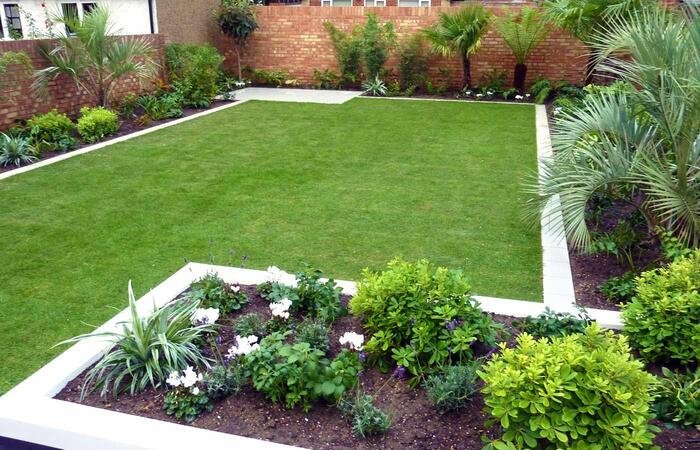
Are you passionate about being outdoors, planting, and making stunning gardens? Consider becoming a landscape gardener. Developing and designing new spaces isn’t all that landscape gardeners do! They also nurture and maintain those outdoor spots to make sure people get to enjoy the beauty of nature all year round! This article will help you understand what a landscape gardener does and show you the skills and training necessary to help you succeed in a landscape gardening career. What is a Landscape Gardener? A landscape gardener is an individual who has an education in planting and caring for gardens and other outdoor spaces. They combine artistry, spatial design, and elements of ecology to shape spaces to become not only visually stunning but also healthy. Services That Landscape Gardeners Provide Include Work In: They manipulate and design the land using gardening and landscaping materials, such as plants, soil, stones, water, and tools. What Does a Landscape Gardener Do? The profession of a landscape gardener comprises a healthy mix of creativity and sheer physical labor. Here are a few of the numerous daily tasks: Planning and Designing Gardens Encouragingly, the imagination of a gardener (also referred to as a landscape architect) is responsible for creating painstakingly detailed blueprints of where a multitude of flora will be positioned, in conjunction with plans for walkways, fences, patios, and water features. Planting and Gardening Landscape gardeners are responsible for installing and placing large woody perennials, flowering plants (including annuals and perennials), and shrubs, according to the design plans and local climate, to encourage growth. Building and Hardscaping Complementing the garden and enhancing the natural and aesthetic value of the landscape, landscape gardeners create well-designed man-made features. This also includes the walls, pathways, and wooden decks within the garden and around the house. Watering and Irrigation Landscape gardeners also maintain a healthy arrangement of plants by allowing shrubs and trees to be watered and creating and maintaining the circulation systems of water. Garden Maintenance Landscape gardeners create a pleasant work of art by cleaning and maintaining the garden. This involves mowing the lawn, pruning the plants, and removing weeds. They are responsible for the job and also the appearance of the art. Customer Communication The landscape gardener also runs and develops the design part of the business and is responsible for negotiations with client performers. Skills You Need to Be a Landscape Gardener To start working as a landscape gardener, you do not need to be an artist or a scientist; however, to excel in this career, creativity and technical skills must be employed. Core Skills Needed: Extra Skills That Add Value: A love for producing visible work and gardening makes this profession a right fit for you. Training and Education While having a degree is certainly not a requirement for this job, it does improve the types of jobs you can get and the credibility you can get with clients. 1. Initial Education A high school diploma (or its equivalent) is the minimum requirement to get started. Classes in biology, art, or environmental science can be helpful. 2. Get Vocational Training or Certification You can find many technical colleges and schools that provide courses in landscaping or horticulture. Here’s an example of what you can learn: Some of the certifications you can aim for are: 3. Apprenticeship or Internship Training and learning under the supervision of an expert landscaper provides practical training. You will learn the things that books cannot teach you — such as tool handling, planting, and design layout. 4. Get Licensed (If Required) In some countries or even states, you will need a business or a contractor’s license to provide landscaping services, so do your research to avoid penalties. Tools and Equipment You’ll Need Every landscape gardener will need a basic set of tools. Standard Tools: In Larger Projects, You May Use: Step-by-Step: How to Become a Landscape Gardener Here’s a simple, step-by-step plan to get started in your landscaping career. Step 1: Understand the Fundamentals of Gardening Begin with the basics: help in a local garden or grow a few plants. This enables you to learn about plants, soil, sunlight, and how to care for them. Step 2: Obtain the Right Education Consider taking landscape horticulture and sustainability courses to enhance your skills. This will teach you design, maintenance, and sustainable practices. Step 3: Collaborate with an Expert Try to get an internship or an apprenticeship with a landscape company. This helps you gain knowledge from seasoned gardeners and learn how to manage and execute projects. Step 4: Create a Portfolio Document your work using photographs, even if it’s just small gardens or DIY projects. Portfolios are a great way to market yourself to potential clients or employers. Step 5: Launch Your Own Landscaping Company (If You Want) When you feel ready, you can start your own company and provide services in: Step 6: Continue Your Education Landscaping is an ever-evolving practice. To stay ahead of the game, study modern outdoor lighting, smart irrigation, and eco-friendly design. Career Design Landscaping provides a variety of opportunities. Job Roles Include: Workplaces Include: Being self-employed as a landscaper or freelancer is also an option. Benefits of Being a Landscape Gardener Challenges of Landscaping Like any career, landscaping has its challenges: However, for those who love nature and creativity, the rewards are well worth it! Tips for Success as a Landscape Gardener Happy clients bring referrals, and that’s the best marketing for your landscaping business! Conclusion Becoming a landscape gardener is a rewarding career that combines creativity, physical activity, and a passion for the natural world. With the right skills, training, and dedication, you can turn your love for plants and design into a successful and fulfilling profession. Whether you dream of creating city parks or cozy home gardens, this is your chance to make the world greener one garden at a time.
What Landscaping Services Are Offered?
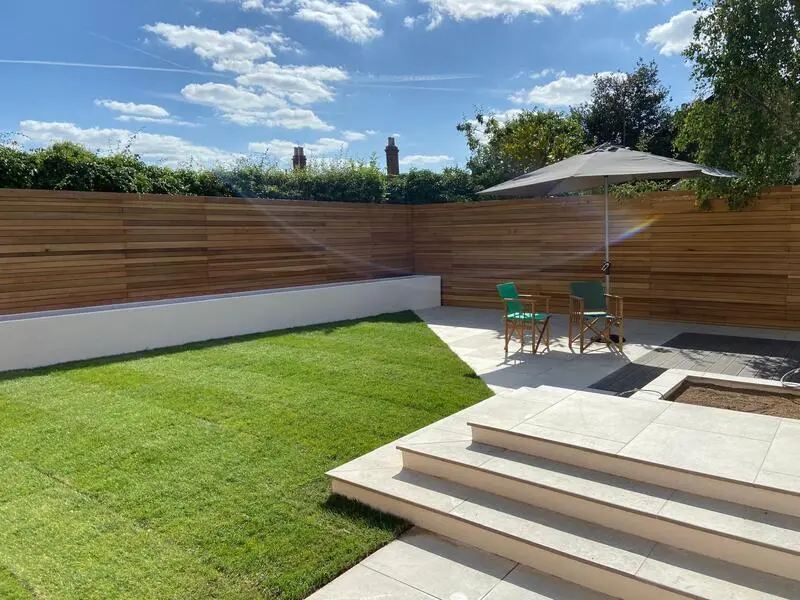
Landscaping involves much more than just planting some flowers and mowing the lawn. The beautification and maintenance of an outdoor space require design and construction to make it healthy and easy to enjoy. Landscapers transform any outdoor space whether a small home garden, a large commercial lawn, or a modern rooftop terrace into a calming green space using imaginative skills, thorough planning, and clever execution. This guide will look at the services landscapers provide, the ins and outs of each, and how a professional can be cost- and time-effective. What is a Landscaper? A landscaper is a professional successfully trained to integrate design, construction, and maintenance systems to improve the appearance and functionality of an outdoor space by the incorporation of nature, architecture, and design, whether it be for a home, a park, a hotel, a school, or a public space. Landscapers provide a holistic view of any design by integrating soft and hard elements. Landscaping as a construction practice is generally divided into two broad categories: Almost all landscaping firms offer a blend of the two to ensure a cohesive, well-integrated design for your garden. Core Services That Landscapers Provide 1. Garden and Landscape Design This is the first step in creating that lovely garden. Landscapers determine the layout, structure, and overall appearance of your outdoor space. This step includes: A good design ensures your garden is attractive and reflects your lifestyle — whether you want a cozy retreat, a fun play area for kids, or a party space that’s the center of attraction. 2. Soil Preparation and Grading Healthy plants start with healthy soil. Landscapers need to test and prepare the soil before planting. This step includes: Proper soil preparation will ensure your plants thrive and your garden remains healthy for years to come. 3. Planting Trees, Shrubs, and Flowers The planting phase is one of the most visible parts of landscaping. Landscapers know which plants will grow best in your area and how to arrange them effectively. What it includes: The result is a colorful, fresh, and balanced outdoor space. 4. Lawn Installation and Maintenance A lush, green lawn enhances a garden’s beauty. Lawn maintenance and installation are other key landscaping services. What it includes: They keep your grass healthy and vibrant year-round. 5. Irrigation System Installation To sustain a thriving landscape, proper watering is essential. Landscape professionals install irrigation systems to reduce watering time and conserve water. What it includes: These systems keep your plants adequately hydrated and prevent overwatering. 6. Hardscaping Features Hardscaping is an essential part of landscaping that enhances the structure and beauty of your garden. What it includes: These elements define a space and create comfortable seating or entertaining areas. 7. Garden Lighting and Electrical Work Outdoor lighting adds safety, beauty, and a magical glow at night. What it includes: Proper lighting makes your garden usable even after sunset. 8. Water Features and Ponds Many landscapers design and install water features that add peaceful sound and visual appeal. What it includes: These features make your garden look more natural and calming. 9. Landscape Maintenance and Upkeep After design and installation, landscapers provide ongoing maintenance to keep your garden in top condition. What it includes: Maintenance keeps your garden beautiful year-round. 10. Landscape Renovation and Upgrades If you already have a garden but want to refresh or modernize it, landscapers can renovate your existing space. What it includes: This gives old gardens a completely new life. Sustainable and Eco-Friendly Landscaping Modern landscapers value environmentally friendly practices that protect nature and conserve resources. Eco-friendly landscaping includes: Eco-friendly landscaping results in less waste and long-term sustainability. Extra Services Some Landscapers Provide Depending on the business, you may also find: Why Get a Professional Landscaper? In the long run, hiring a landscaper can help you save time, effort, and money. Hiring a landscaper gives you: FAQs What’s the difference between a gardener and a landscaper? A gardener maintains plants and flowers. A landscaper plans, constructs, and manages the entire space, including plants, paths, lighting, and overall design. Do landscapers maintain gardens after installation? Yes. Most landscape designers include ongoing maintenance plans. These typically include mowing, trimming, watering, and seasonal updates. Can landscaping increase property value? Definitely. A well-designed garden can increase property resale value by 10–20%. How often should landscaping maintenance be done? Basic maintenance like mowing or pruning is done weekly or monthly. Larger seasonal updates are performed throughout the year. Conclusion Landscapers offer a complete range of services from design and planting to lighting and maintenance. They use both artistic and technical skills to transform your outdoor area into a green, functional, and inviting space. Hiring a professional landscaper guarantees your garden will remain stunning, thriving, and sustainable year-round, whether you prefer a minor garden transformation or a complete landscape design.